
drrajeshdhake

Urethral Stricture Treatment in Pune

Dr. Rajesh Dhake > Urethral Stricture

What Is a Urethral Stricture?

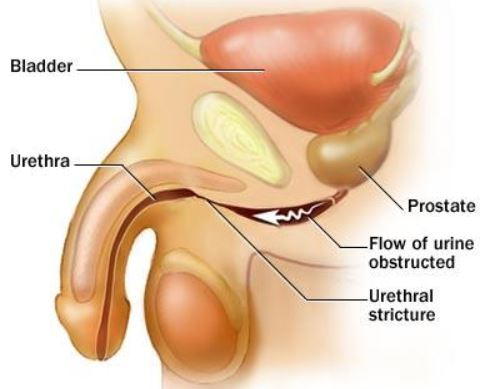
The urethra is the tube that carries urine out of the body from the bladder. A urethral stricture is an abnormal narrowing somewhere along this tube, caused by scar tissue that restricts the space urine has to pass through. It can develop from an injury, from a previous medical procedure that involved the urethra, from infection, or from certain non-infectious forms of urethritis (inflammation of the urethra).

Because the urethra is the only outflow path for urine, even a modest narrowing can noticeably affect how a person urinates — and a severe one can block the flow almost entirely.
What Problems Does a Urethral Stricture Cause?

For many men, the stricture develops gradually — urinating becomes a little harder, then noticeably harder, with a growing sense of not being able to fully empty the bladder or comfortably hold urine in between. For others, there’s no gradual warning at all: the ability to pass urine can suddenly stop altogether, which is a situation that needs immediate medical attention rather than a wait-and-watch approach.

A steadily weakening urine stream, or dribbling that keeps getting worse, is the clearest early signal to get evaluated rather than waiting it out.

Symptoms of Urethral Stricture

  • A frequent and sudden urge to urinate
  • Straining to urinate
  • A feeling of incomplete bladder emptying
  • An intermittent or stop-start urine stream
  • Burning sensation or pain while urinating
  • Incontinence, or reduced control over urination
  • Pain in the lower abdominal area
  • Penile pain and swelling
  • Discharge from the urethra

Not every symptom needs to be present for a stricture to be the cause — even one or two of these, especially a weakening stream that keeps getting worse, is worth having checked.

Treatment Options for Urethral Stricture

Urethral Dilation — A minimally invasive procedure where the narrowed segment is gradually stretched open using specialized instruments, often the first option tried for shorter or milder strictures.

Self-Catheterisation — Some patients are taught to pass a thin catheter themselves on a regular schedule, which helps keep the urethra open between other treatments or as an ongoing management approach.

Stents — A specialized device placed within the urethra to hold the narrowed segment open, used in select cases where dilation or surgery isn’t the preferred option.

Diversion — In more complex or urgent situations, urine flow may be temporarily rerouted away from the affected segment while further treatment is planned.

Urethroplasty — A reconstructive surgical procedure where the narrowed or scarred segment is removed or repaired, offering the most durable, long-term solution for longer or recurrent strictures that haven’t responded to simpler measures.

The right option depends on the stricture’s length, location, and how many times it has recurred — which is why an accurate diagnosis always comes before deciding on treatment.

Why Early Treatment Matters

A urethral stricture rarely improves without treatment, and delaying care often means the narrowing gets worse over time — leading to more frequent straining, a higher risk of urinary retention (a sudden inability to urinate), and a greater chance of urinary tract infections. Strictures caught and treated early are generally easier to manage with simpler, less invasive options, while long-neglected strictures more often end up needing full reconstructive surgery.

Urethral stricture evaluation and treatment is available at this urology clinic across Wakad, Baner, and Pimple Saudagar, open all days except Sunday. Share your details and the team will call to confirm a slot.

Frequently Asked Questions

What is a urethral stricture, and what causes it?

A urethral stricture is an abnormal narrowing of the urethra, the tube that carries urine out of the body. It’s commonly caused by injury, a previous medical procedure involving the urethra, infection, or certain non-infectious forms of urethritis.

Common signs include a weak or intermittent urine stream, straining to urinate, a feeling of incomplete emptying, burning during urination, and in some cases lower abdominal or penile pain. A gradually worsening stream is one of the clearest early indicators.

 Yes, milder or shorter strictures are often managed with urethral dilation, self-catheterisation, or a stent, all of which avoid major reconstructive surgery. Longer or recurrent strictures usually respond better to urethroplasty for a more lasting result.

Urethroplasty is a reconstructive surgery that removes or repairs the narrowed segment of the urethra, offering the most durable long-term solution. It’s typically recommended for longer strictures or ones that keep recurring after simpler treatments like dilation.

An untreated stricture usually worsens over time, increasing the risk of complete urinary retention, recurrent urinary tract infections, and greater strain on the bladder. Strictures caught early are generally easier to treat with simpler, less invasive options.

 For some men, the stricture develops gradually with a slowly worsening stream, but for others, the ability to pass urine can stop suddenly and completely, which is a situation requiring immediate medical attention rather than a wait-and-watch approach.

Diagnosis typically involves a review of symptoms and urinary flow, along with imaging or direct visualization techniques to confirm the location, length, and severity of the narrowing before treatment is planned.

Recovery time varies depending on the extent of the reconstruction, but most patients need a period of catheter use following surgery while the repaired tissue heals, with follow-up visits to confirm successful healing.

Urethral strictures are far more common in men due to the length and structure of the male urethra, but they can occur in women as well, usually related to injury, prior surgery, or scarring from other causes.

No, though both can cause similar urinary symptoms like a weak stream and straining. A urethral stricture is a physical narrowing of the urethra itself, while an enlarged prostate compresses the urethra from the outside. Proper evaluation distinguishes between the two.

Follow-up frequency depends on the treatment used and the stricture’s history — dilation and stents generally need more regular monitoring, while urethroplasty patients are typically followed at set intervals to confirm the repair remains open and functioning well over time.

Scroll to Top