What Is Uro-Oncology?
Uro-oncology combines urological expertise with cancer diagnosis and treatment. A urologist may evaluate suspicious urinary or reproductive symptoms, perform diagnostic procedures and coordinate appropriate surgical or cancer care.
Depending on the cancer, treatment may involve surgery, minimally invasive procedures, robotic surgery, chemotherapy, radiation therapy, immunotherapy or targeted medicines. The treatment approach is determined after appropriate investigations and cancer staging.
Types of Urological Cancers
Prostate Cancer
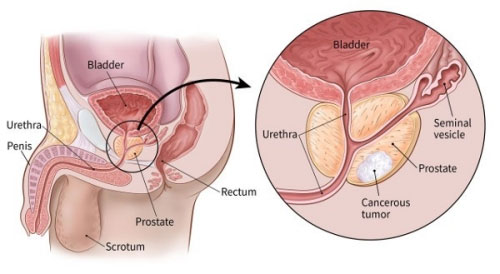
Prostate cancer develops in the prostate gland and is one of the most common cancers affecting men. Early prostate cancer may not cause noticeable symptoms.
When symptoms occur, they may include:
- Difficulty starting urination
- Weak or interrupted urine flow
- Frequent urination
- Blood in urine or semen
- Erectile difficulties
- Bone or back pain in advanced disease
Evaluation may include a PSA blood test, clinical examination, imaging and, when required, prostate biopsy.
Treatment depends on the stage and characteristics of the cancer and may include active surveillance, surgery, radiation therapy, hormone therapy or other cancer treatments.
Kidney Cancer
Kidney cancer develops when abnormal cells grow within the kidney. Many kidney tumours are discovered incidentally during imaging performed for another reason.
Possible symptoms include:
- Blood in the urine
- Persistent pain in the side or back
- Unexplained weight loss
- Loss of appetite
- Persistent tiredness
- An abdominal or flank mass in some cases
Imaging such as ultrasound, CT or MRI may help identify a kidney mass. Treatment depends on tumour size, location, stage and kidney function.
Surgical options may include removal of only the tumour and surrounding tissue, known as partial nephrectomy, or removal of the affected kidney in selected cases.
Bladder Cancer
Bladder cancer develops in the tissues lining the urinary bladder. Blood in the urine, particularly when it occurs without pain, is an important symptom that requires medical evaluation.
Other possible symptoms include:
- Frequent urination
- Urinary urgency
- Burning during urination
- Difficulty passing urine
- Pelvic discomfort
- Recurrent urinary symptoms
Evaluation may involve urine tests, imaging, and cystoscopy. During cystoscopy, a thin camera is used to examine the inside of the bladder.
Treatment depends on whether the cancer is limited to the bladder lining or has invaded deeper layers. Options may include endoscopic tumour removal, bladder-directed treatment, chemotherapy, immunotherapy or surgery for selected advanced cases.