
iTind Treatment for Enlarged Prostate (BPH) in Pune
Dr. Rajesh Dhake > iTind Treatment
A Treatment That Doesn't Stay in the Body
Most BPH procedures leave something behind — either tissue that’s been permanently removed, or a device that’s meant to stay in place indefinitely. iTind takes a genuinely different approach: the device does its work over about a week, then comes out completely. Nothing permanent is implanted, no tissue is cut or burned away, and no daily medication is required to keep symptoms under control afterward. For men looking for real symptom relief without those trade-offs, it’s one of the more distinctive options available today.
What Is iTind?
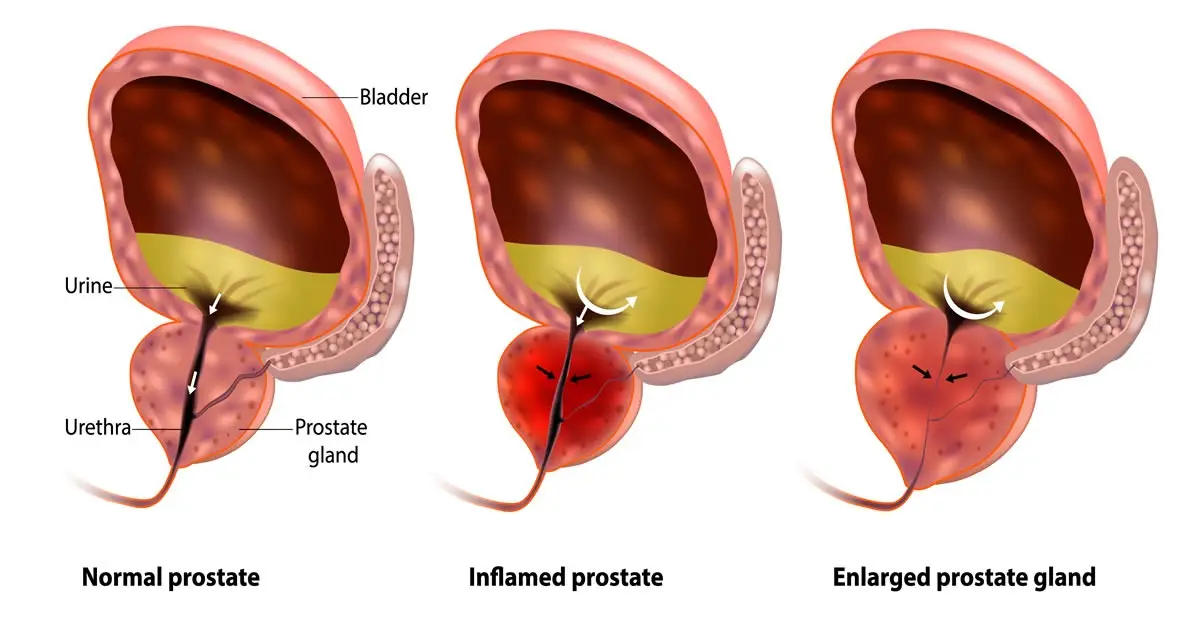
iTind stands for Temporarily Implanted Nitinol Device. It’s a small, flexible device made of nitinol — a biocompatible metal alloy known for its shape-memory properties — that’s placed within the prostatic urethra, the section of the urethra that runs through the prostate gland. Unlike more permanent devices such as UroLift implants, or treatments that remove or ablate prostate tissue using heat, iTind is designed from the outset to be temporary. It’s placed, left in position for five to seven days, and then removed entirely, with the benefit typically continuing well after the device itself is gone.
How the Procedure Works
The iTind procedure is performed as a simple outpatient visit, without the need for an operating room, general anesthesia, or an overnight hospital stay. The general sequence looks like this:
Cystoscopy first
A cystoscope is used to examine the bladder and prostate anatomy beforehand, confirming that iTind is a suitable fit for the individual’s prostate size and shape.
Device placement
Under visual guidance, the collapsed iTind device is inserted through the urethra using a cystoscope and positioned precisely within the prostatic urethra, at the point where the prostate is narrowing the urinary channel.
Expansion inside the body
Once correctly positioned, the device’s nitinol struts expand into their designed shape, exerting steady, controlled outward pressure on the surrounding prostate tissue.
Five to seven days in place
Over this period, the pressure from the device gradually reshapes the tissue through a process called ischemic necrosis — essentially creating small, controlled channels and reshaping the prostatic urethra to widen the passage urine flows through.
Removal
After five to seven days, the device is retrieved during a brief in-office visit, typically using a cystoscope or catheter, with topical anesthesia to keep the removal comfortable. No further procedure is needed after this point.
The tissue remodeling that happens during those five to seven days is what produces the improvement in urine flow — the effect continues well beyond the day the device is removed.
Why Men Consider iTind Over Other BPH Options
- No permanent implant left behind — unlike some other minimally invasive devices designed to stay in place indefinitely
- No tissue is cut, heated, or ablated — the mechanism relies on gentle, gradual pressure and reshaping rather than tissue destruction
- Preserves sexual function — clinical studies following iTind patients have shown ejaculatory and erectile function generally staying intact, which is a significant consideration for many men weighing BPH treatment options
- No daily medication required afterward — for many patients, iTind reduces or eliminates the ongoing need for BPH medication and its associated side effects
- Outpatient procedure — performed without general anesthesia or a hospital stay, with most men returning to normal activity within a few days
- Durable results — longer-term studies have shown symptom improvement holding up well over several years for many patients, with a relatively low rate of needing additional treatment later on
Who Might Be a Good Candidate
iTind is generally considered for men with:
- Bothersome lower urinary tract symptoms (LUTS) related to BPH — weak stream, frequent urination, incomplete emptying, or nighttime waking to urinate
- A prostate size that falls within the range suitable for the device, determined during the pre-procedure evaluation
- A preference to avoid permanent implants, tissue removal, or the side effects associated with long-term BPH medication
- A desire to preserve sexual function as a priority alongside symptom relief
As with any BPH treatment, suitability depends on individual anatomy and prostate size, which is assessed through cystoscopy and imaging before the procedure is recommended.
What Recovery Feels Like
Because iTind doesn’t involve cutting or removing tissue, recovery tends to be relatively gentle. Some mild discomfort, urgency, or a temporary increase in urinary frequency is common during the days the device is in place and shortly after removal, as the treated tissue settles. Most men are back to normal daily activity within a few days. Symptom improvement isn’t always instant — for many patients, the fuller benefit becomes noticeable over the following weeks as the reshaped tissue continues to heal.
How iTind Compares to Other Minimally Invasive BPH Options
Unlike Rezum, which uses steam energy to shrink prostate tissue, or UroLift, which uses small permanent implants to hold the tissue open, iTind relies purely on mechanical, temporary pressure to reshape the urethral passage — with nothing left behind afterward. Each of these minimally invasive options has its own profile of benefits and trade-offs, and the right fit depends on prostate size, anatomy, and personal priorities, which is best worked through in a one-on-one consultation.
Frequently Asked Questions
What is iTind, and how is it different from other BPH treatments?
iTind (Temporarily Implanted Nitinol Device) is a device placed inside the prostatic urethra for 5 to 7 days to gently reshape the tissue and widen the urinary passage, then completely removed. Unlike UroLift or other devices designed to stay in place permanently, iTind leaves nothing behind once treatment is complete.
Does iTind involve any cutting or tissue removal?
No. The device works purely through gentle, controlled pressure that reshapes the prostatic urethra over several days. No tissue is cut, heated, or removed at any point during treatment.
Does iTind affect sexual function?
Clinical studies following iTind patients have generally shown erectile and ejaculatory function remaining intact after treatment, which is one of the reasons it’s often considered by men who want to prioritize preserving sexual function alongside symptom relief.
How long does it take to see results after iTind treatment?
Some men notice improvement soon after the device is removed, though for many the fuller benefit develops gradually over the following weeks as the reshaped tissue continues to heal. Clinical studies have shown symptom improvement holding up well over several years for many patients.
Is iTind a permanent solution for BPH?
iTind doesn’t leave a permanent device behind, but the goal is durable, long-lasting relief from a single treatment. Longer-term studies have shown a relatively low rate of men needing additional treatment after iTind, though individual results can vary based on prostate size and how the condition progresses over time.
Is the iTind procedure painful?
The procedure itself is performed with anesthesia to keep the placement comfortable, and the device is designed to be tolerated while in place for the 5 to 7 days. Some men experience mild urgency, discomfort, or a burning sensation during this period, which is generally manageable and resolves after the device is removed.
How is the iTind device removed?
After 5 to 7 days, the device is retrieved during a brief in-office visit, typically using a cystoscope or catheter, with topical anesthesia to keep the removal comfortable. No further procedure is needed after this point.
Who is a good candidate for iTind?
iTind is generally considered for men with bothersome urinary symptoms from BPH whose prostate size and shape fall within the range suitable for the device, confirmed through cystoscopy and imaging beforehand. It particularly suits men who want to avoid permanent implants, tissue removal, or long-term medication.
Does iTind require a hospital stay?
No. The procedure is performed as a simple outpatient visit, without the need for an operating room, general anesthesia, or an overnight hospital stay. Most men return to normal activity within a few days.
How is iTind different from UroLift?
iTind uses a temporary device removed after about a week, working through controlled pressure that reshapes the prostatic urethra over time. UroLift, by contrast, uses small permanent implants that mechanically hold obstructing tissue open indefinitely. Both aim to preserve sexual function, but the mechanism and what’s left behind afterward are quite different.
