
No. Robotic surgery is entirely controlled by the surgeon in real time through a console — the robotic arms simply translate the surgeon’s own hand movements into more precise, tremor-free motion inside the body. Nothing happens without the surgeon directing it.
Robotic Urological Surgery in Pune
Dr. Rajesh Dhake > Robotic Urological
Robotic Urology Surgery in Pune — Precision Without the Big Cut
What Is Robotic Urological Surgery?
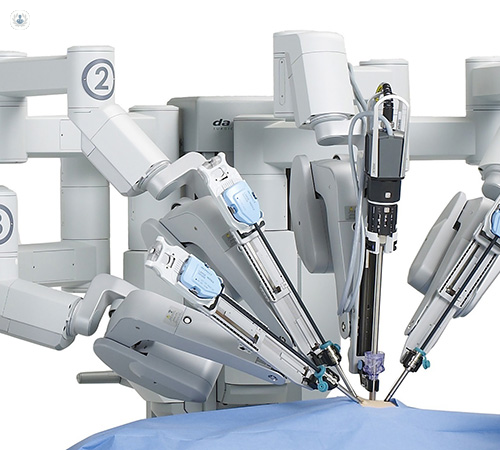
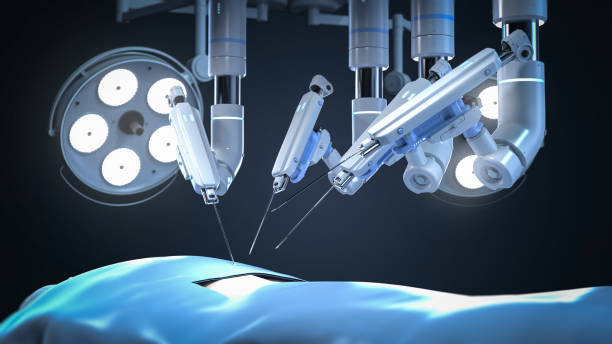
Robotic urological surgery is a minimally invasive surgical technique where the surgeon operates through a console, controlling robotic arms fitted with surgical instruments and a high-definition 3D camera. The instruments are inserted through a few small incisions, and every movement the surgeon makes at the console is mirrored precisely by the robotic arms inside the body — filtered of any natural hand tremor.
The camera provides a magnified, three-dimensional view of the surgical site, far more detailed than what the naked eye sees during open surgery. Combined with the robotic wrist’s extended range of motion, this allows for exceptional precision in tight or delicate spaces — which matters enormously when operating near nerves and structures responsible for urinary and sexual function.
Conditions Treated with Robotic Urological Surgery
Prostate Cancer (Robotic Prostatectomy)
Prostate cancer is one of the most common cancers affecting men, and it often shows no symptoms in its early stages. As the disease progresses, warning signs can include difficulty urinating, a weak or interrupted urine stream, frequent urination at night, blood in urine or semen, and pain in the lower back, hips, or thighs. Robotic-assisted prostatectomy removes the cancerous prostate gland with high precision, and the technique’s improved visualization makes it especially valuable for nerve-sparing surgery — helping preserve urinary and sexual function wherever the cancer allows it.
Kidney Cancer (Robotic Nephrectomy)
Kidney cancer is treated using robotic partial nephrectomy, which removes only the tumour while preserving as much healthy kidney tissue as possible, or robotic radical nephrectomy for cases where the entire kidney needs to be removed. The precision of the robotic approach allows tumours to be removed accurately while minimizing damage to surrounding healthy tissue.
Complex Reconstructive and Uro-Oncology Cases
Robotic assistance is also used for other complex urological procedures — including pyeloplasty for UPJ obstruction and select bladder surgeries — where fine, precise reconstruction in a confined space benefits from the robot’s range of motion and magnified view.
Why Choose Robotic Surgery Over Open Surgery?
- Smaller incisions and minimal scarring — a few small ports replace one large open cut
- Less blood loss during the procedure
- Reduced pain and discomfort after surgery
- Faster recovery time, with most patients up and moving sooner than after open surgery
- Greater precision for nerve-sparing, which helps preserve urinary and sexual function in prostate cases
- Shorter hospital stay in most cases, compared to traditional open procedures
How Treatment Decisions Are Made
No two cancer diagnoses are identical, so treatment is built around the individual — the stage of disease, overall health, and personal priorities. Broadly, the approach may involve:
- Active Surveillance — for slow-growing prostate cancers that don’t yet need active treatment, with regular monitoring instead
- Robotic or Laparoscopic Surgery — the primary treatment for many localized prostate and kidney cancers
- Radiation Therapy — used in certain cases, either instead of surgery or alongside it
- Hormonal or Targeted Therapy — considered depending on the cancer’s stage and characteristics
A full diagnostic work-up — imaging, biopsy where relevant, and staging — comes before any of these paths is recommended.
What Recovery Looks Like After Robotic Surgery
Because incisions are small, most patients experience noticeably less post-operative pain than after open surgery and are encouraged to start moving around within a day. Hospital stays are typically shorter, and many patients return to light daily activity within one to two weeks, with full recovery continuing over the following weeks under the surgeon’s guidance.
Robotic urological surgery for prostate and kidney conditions is available at this urology clinic across Wakad, Baner, and Pimple Saudagar, open all days except Sunday. Share your details and the team will call to confirm a slot.
Frequently Asked Questions
Does a robot actually perform the surgery on its own?
How does robotic surgery help in prostate cancer treatment?
Robotic surgery offers high precision, smaller incisions, less blood loss, and faster healing compared to open surgery. Its magnified 3D view is particularly valuable for nerve-sparing, which helps preserve urinary and sexual function in prostate cancer patients.
Is robotic surgery used for kidney cancer too?
Yes. Robotic partial nephrectomy removes just the tumour while preserving healthy kidney tissue, and robotic radical nephrectomy removes the entire kidney when necessary. Both approaches allow precise tumour removal with a shorter hospital stay and quicker recovery than open kidney surgery.
What are the early symptoms of prostate cancer that shouldn't be ignored?
Common warning signs include difficulty urinating, a weak or interrupted urine stream, frequent urination at night, blood in urine or semen, and pain in the lower back, hips, or thighs. Since early-stage prostate cancer often causes no symptoms, regular check-ups matter, especially for men over 50 or with a family history.
How long does it take to recover from robotic urological surgery?
Recovery is generally faster than after open surgery, with most patients able to move around within a day and return to light activity within one to two weeks. Full recovery continues over the following weeks, guided by the surgeon based on the specific procedure performed.
What is active surveillance, and when is robotic surgery not needed?
Active surveillance involves closely monitoring a slow-growing prostate cancer with regular check-ups rather than starting immediate treatment. It’s considered for certain low-risk cases where the cancer isn’t likely to progress quickly.
Is robotic partial nephrectomy always possible for kidney cancer?
Not always — it depends on the tumour’s size, location, and how much healthy kidney tissue can be preserved. For larger or more centrally located tumours, robotic radical nephrectomy, removing the entire kidney, may be the more appropriate option.
Is robotic surgery covered by insurance in India?
Coverage varies by insurance provider and individual policy. It’s worth discussing this directly with the clinic and your insurance provider before the procedure to understand what costs may be covered.
How soon after robotic surgery can I return to work?
Many patients return to light daily activity within one to two weeks, though the exact timeline depends on the specific procedure performed and the nature of your work. Your surgeon will provide personalized guidance during follow-up.
What happens during the diagnostic work-up before robotic surgery is recommended?
A full diagnostic work-up typically includes imaging, biopsy where relevant, and staging of the cancer, all of which help determine whether robotic surgery, another treatment approach, or a combination is the most appropriate path forward.
