Smaller stones often pass naturally with hydration, pain relievers, and medication. Larger stones, or ones causing severe pain, blockage, or infection, usually need active medical or surgical treatment.
Kidney Stone & Laser Treatment in Pune
Dr. Rajesh Dhake > Kidney Stone Treatment
What Is a Kidney Stone?
Kidney stones are solid deposits made of minerals and acidic salts that stick together in concentrated urine. As chemical substances dissolved in urine build up past a certain concentration, they crystallize into a solid form. Stones can be painful while passing through the urinary tract, but they generally don’t cause permanent damage if treated properly.
Signs and Symptoms
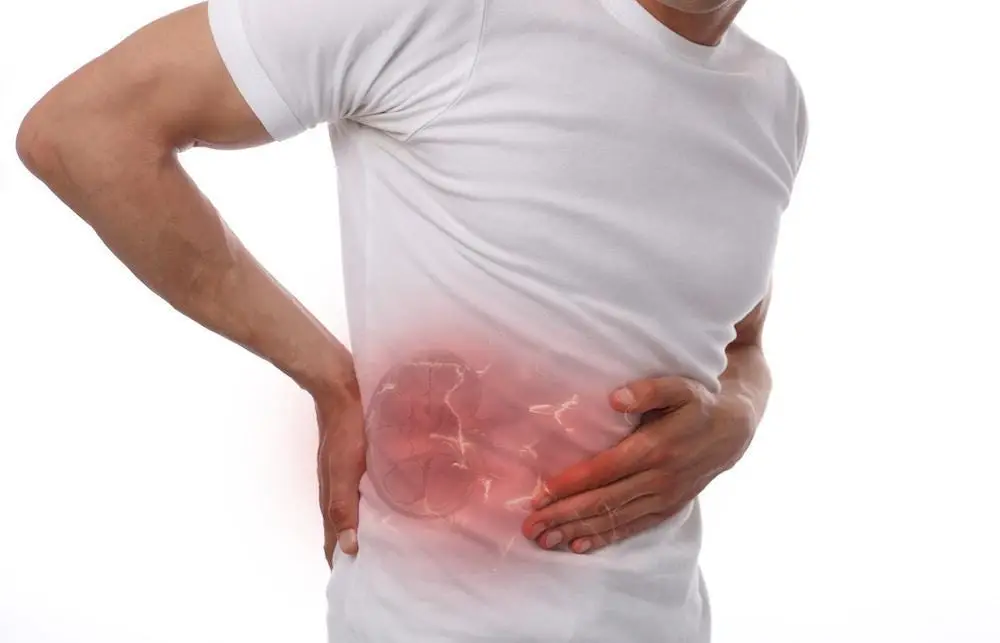
- Sharp, harsh pain in the side of the abdomen, often the most common symptom
- Pain that comes with nausea
- Blood in the urine
- Burning sensation or difficulty while urinating
- Frequent urge to urinate
- Cloudy or foul-smelling urine
- Fever and chills, if infection is also present
What Your Doctor Considers Before Recommending Treatment
- The type of stone — calcium-based stones are often removed surgically, while struvite stones (made of magnesium and ammonium) are frequently treated with medication
- The size of the stone — larger stones usually need more intensive treatment, while smaller ones may pass on their own
- The location of the stone — a stone in the ureter, the tube carrying urine from kidney to bladder, may need active treatment
- The composition of the stone — cystine or uric acid stones often need more intensive treatment, while calcium or struvite stones are more likely to pass naturally
- Possible side effects — some treatments carry side effects like nausea and vomiting, worth discussing beforehand
- Cost of treatment — worth discussing openly with your doctor before starting any course of therapy
How Kidney Stones Are Treated
- Pain relievers and hydration — the first approach for smaller stones, helping them pass naturally through urine
- Medication — used to ease passage and manage symptoms for stones likely to pass on their own
- Laser Treatment (Lithotripsy) — a minimally invasive procedure requiring no incisions, used when medication alone isn’t enough
- Surgical removal — reserved for larger or more complex stones that don’t respond to non-surgical options
Type of kidney stone:
Not all kidney stones are made of the same material, and knowing the type often shapes the treatment approach:
Calcium Stones
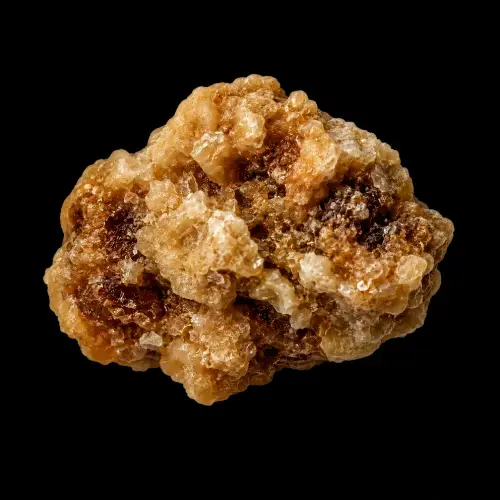
The most common type of kidney stone, formed from calcium combined with oxalate or, less often, phosphate. These are often removed surgically or with lithotripsy when they grow large enough to cause blockage or pain.
Uric Acid Stones
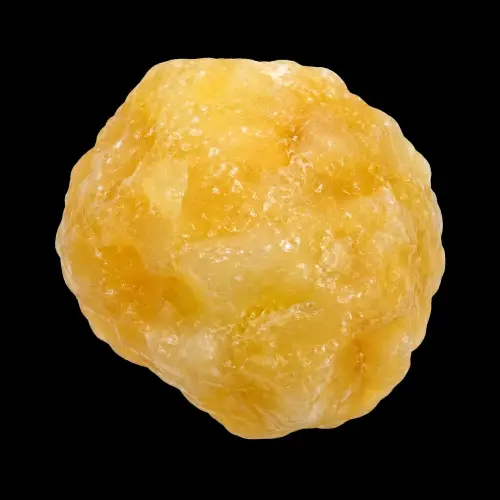
Form when urine is too acidic, often linked to a diet high in animal protein, dehydration, or conditions like gout. These stones tend to need more intensive treatment than calcium or struvite stones, though some can be dissolved with medication that alkalinizes the urine.
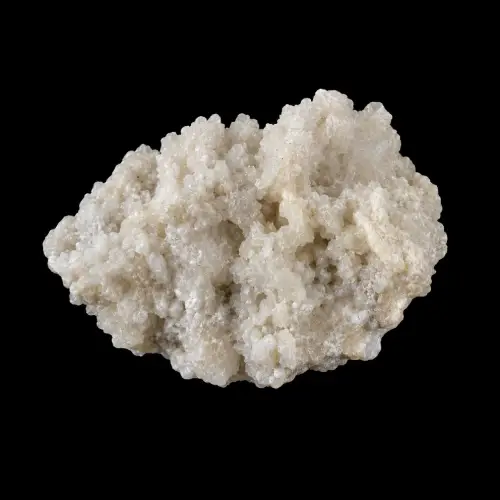
Struvite Stones
Made of magnesium and ammonium, these typically develop as a result of a urinary tract infection and can grow quickly, sometimes filling a large part of the kidney. They’re frequently treated with medication alongside addressing the underlying infection.
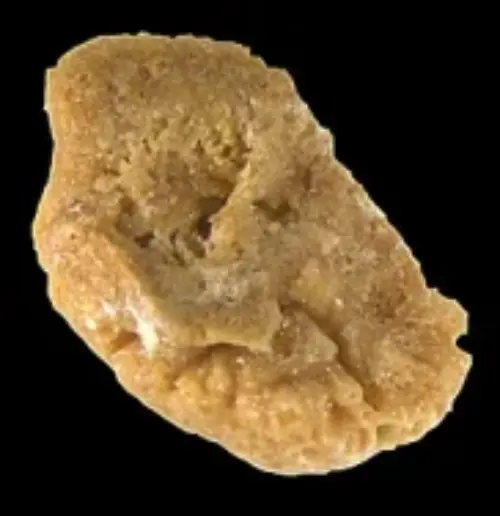
Cystine Stones
A rarer type caused by a hereditary condition called cystinuria, where the kidneys excrete too much of the amino acid cystine into the urine. These stones often need more intensive treatment and tend to recur, requiring long-term management.
Laser Treatment (Lithotripsy) in Detail
When medication doesn’t clear a stone, laser treatment offers a minimally invasive way to break it down without any incision:
- A small, lighted instrument called a ureteroscope is placed into the urethra and bladder
- The ureteroscope is guided to locate the exact position of the stone in the ureter or kidney
- Once the stone’s position is confirmed, a laser fibre passes laser light directly onto the stone
- The laser breaks the stone down into small, manageable fragments
- The fragments pass out naturally through urine over the following days
This approach is useful for breaking down stones in the kidney, gallbladder, or ureter, and is generally preferred over open surgery for its shorter recovery and lack of incisions.
Why Proper Diagnosis Matters
- Confirms the stone’s type, size, and exact location before treatment begins
- Helps decide whether the stone will likely pass naturally or needs intervention
- Identifies whether infection is present alongside the stone
- Avoids unnecessary or ineffective treatment by matching the approach to the stone’s composition
Prevention Tips
- Follow your doctor’s instructions and take medications as prescribed
- Drink plenty of fluids throughout the day
- Avoid foods that may contribute to stone formation
- Maintain a healthy weight
- Keep blood pressure under control
- If diabetic, keep blood sugar levels under control
When to See a Urologist
- Sudden, sharp pain in the abdomen or side
- Pain accompanied by nausea or vomiting
- Blood in the urine
- Fever or chills alongside stone symptoms
- A stone that hasn’t passed after a few weeks of home management
Kidney stone diagnosis and laser treatment is available across Wakad, Baner, and Pimple Saudagar, open all days except Sunday.
Frequently Asked Questions
Can a kidney stone pass on its own without treatment?
What is laser treatment (lithotripsy) for kidney stones?
Laser treatment is a minimally invasive procedure that uses a laser fibre, guided through a ureteroscope, to break kidney stones into smaller fragments that pass out naturally through urine, with no incisions required.
How does the type of stone affect treatment?
Different stone types respond differently — calcium-based stones are often removed surgically, while struvite stones are frequently treated with medication. Cystine or uric acid stones typically need more intensive treatment than calcium or struvite stones.
Is laser kidney stone treatment painful?
The procedure is minimally invasive and requires no incisions, so discomfort is minimal. Some treatments carry mild side effects like nausea, which your doctor will discuss beforehand.
How can I prevent kidney stones from coming back?
Staying well hydrated, avoiding stone-forming foods, maintaining a healthy weight, and keeping conditions like diabetes and high blood pressure under control are the most effective ways to reduce recurrence.
What is the difference between ESWL and laser treatment for kidney stones?
ESWL uses external sound waves to break stones from outside the body without any procedure entering the body. It is best for stones in the kidney that are less than 20 mm. Laser treatment (URS) uses a thin camera inserted through the urinary tract to reach the stone directly and vaporize it with a laser. URS is more effective for stones in the ureter and has a higher stone-free rate than ESWL in most cases. Dr. Sunil Mhaske recommends the appropriate option based on stone location and size.
Can kidney stones be treated without surgery?
Yes. Many kidney stones — particularly those smaller than 6 mm — can be treated without surgery using medications such as alpha-blockers and pain relievers, combined with increased water intake. ESWL is also a non-surgical procedure as it does not involve any incision. Surgery (laser or PCNL) is required for larger, impacted, or infection-causing stones. Dr. Mhaske will first evaluate whether non-surgical management is suitable for your specific stone.
How are kidney stones formed?
Kidney stones form when urine becomes too concentrated with minerals such as calcium, oxalate, and uric acid. When fluid levels are insufficient to dissolve these minerals, crystals form and gradually harden into stones. Contributing factors include low water intake, a high-sodium or high-protein diet, obesity, family history, certain medications, and chronic urinary tract infections.
