
No, blood in the urine has many possible causes, including infection, kidney or bladder stones, or injury. However, it should always be evaluated by a urologist to determine the actual cause, since it’s also the most common early sign of bladder cancer.
Bladder Cancer Treatment in Pune
Dr. Rajesh Dhake > Bladder Cancer Treatment
Understanding Bladder Cancer
Bladder cancer begins in the cells that line the bladder. Instead of growing and dividing in the normal, orderly way, these cells develop mutations that cause uncontrolled growth, eventually forming a tumor. It’s a fairly common cancer overall, and men are at meaningfully higher risk of developing it than women.
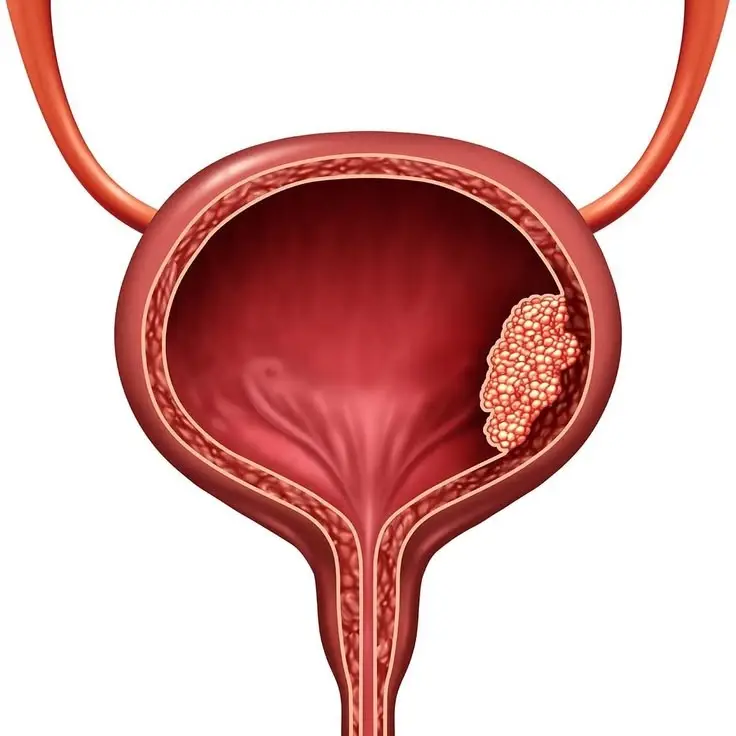
Symptoms to Be Aware Of
- Blood in the urine — the most common and often the first noticeable symptom
- Frequent urination
- Pain or burning during urination
- Pelvic or lower abdominal discomfort in some cases
- Symptoms that can initially resemble a urinary infection, which is part of why they’re sometimes dismissed for too long
What Increases the Risk?
- Smoking — one of the most significant and well-established risk factors
- Occupational exposure to certain industrial chemicals
- Chronic bladder irritation or infection
- Older age
- A prior history of bladder cancer
How Bladder Cancer Is Diagnosed
- Cystoscopy — a thin tube fitted with a camera is passed into the bladder, allowing direct visual examination of the bladder lining, considered a cornerstone of bladder cancer diagnosis
- Urinary cytology — examines urine samples under a microscope for abnormal or cancerous cells
- Imaging — CT scans or ultrasound to assess the extent of the tumor and check for spread
- Biopsy — tissue samples taken during cystoscopy to confirm the diagnosis
Treatment Approaches
Treatment is shaped by the stage of the cancer, how deep it has grown into the bladder wall, and the patient’s overall health:
- Surgery — ranging from removal of the tumor alone to more extensive bladder surgery for larger or invasive tumors
- Chemotherapy — used to destroy cancer cells or stop them from growing, sometimes delivered directly into the bladder for early-stage disease
- Immunotherapy — helps the immune system recognize and attack cancer cells, often used for cases confined to the bladder lining
- Radiation therapy — used in select cases, either alongside other treatments or when surgery isn’t an option
Living With a Bladder Cancer Diagnosis
A cancer diagnosis affects more than just the physical side of things, and coping well matters as much as the treatment plan itself:
- Support groups offer a space to connect with others navigating similar experiences and share what’s actually helped
- Online communities can provide additional perspective and a sense of not going through it alone
- Counselling and therapy can help manage the anxiety, low mood, or emotional strain that often accompanies a cancer diagnosis
- Palliative and supportive care, where appropriate, focuses on comfort and quality of life alongside active treatment
Leaning on family, friends, and professional support isn’t separate from treatment — it’s part of getting through it well.
Bladder cancer diagnosis and treatment are available across Wakad, Baner, and Pimple Saudagar, open all days except Sunday.
Frequently Asked Questions
Is blood in the urine always a sign of bladder cancer?
How is bladder cancer diagnosed?
Cystoscopy, where a thin camera-fitted tube examines the bladder lining directly, is the primary diagnostic tool, often combined with urinary cytology, imaging, and biopsy to confirm the diagnosis.
Who is most at risk of developing bladder cancer?
Men are at higher risk than women, and smoking is one of the most significant risk factors. Occupational chemical exposure, chronic bladder irritation, and older age also increase risk.
What are the treatment options for bladder cancer?
Treatment depends on the stage and depth of the tumor, and may include surgery, chemotherapy (sometimes delivered directly into the bladder), immunotherapy, or radiation therapy, often used in combination.
How can someone cope emotionally with a bladder cancer diagnosis?
Support groups, online communities, and counselling can all help manage the emotional impact of a diagnosis. Leaning on this kind of support alongside medical treatment often makes a real difference to overall quality of life.
What is bladder cancer?
Bladder cancer is the abnormal and uncontrolled growth of cells in the bladder lining. The most common type starts in the urothelial cells that line the inside of the bladder.
Who is at risk of developing bladder cancer?
Smokers, people exposed to industrial chemicals (such as dyes, rubber, or paint), those with chronic bladder infections, and individuals over the age of 55 are at higher risk. Men are more commonly affected than women.
Is blood in urine always a sign of bladder cancer?
Not necessarily. Blood in urine can be caused by urinary tract infections, kidney stones, or other urological conditions. However, any visible blood in urine should be evaluated by a urologist without delay, as it is also the most common early symptom of bladder cancer.
Can bladder cancer be detected without a biopsy?
Cystoscopy and urine cytology can indicate the possibility of bladder cancer, but a tissue biopsy is required to confirm the diagnosis and determine the grade and extent of the cancer.
What is TURBT and how is it used in bladder cancer??
TURBT stands for Transurethral Resection of Bladder Tumour. It is a minimally invasive procedure in which a surgeon removes visible tumours from the bladder wall through the urethra, without making any external incisions. It is used for both diagnosis and treatment of early-stage bladder cancer.
Is bladder cancer curable?
When detected at an early, non-muscle-invasive stage, bladder cancer has a good prognosis and a high rate of successful treatment. However, bladder cancer has one of the highest recurrence rates among all cancers, which makes regular follow-up essential.
