
Interstitial Cystitis Treatment in Pune
Dr. Rajesh Dhake > Kidney Stone Treatment
A Condition That Often Takes Years
Many people live with the pain, urgency, and frustration of interstitial cystitis for years before anyone gives it that name. Part of the reason is that there’s no single test that confirms it — it’s what doctors call a diagnosis of exclusion, meaning every other possible cause has to be ruled out first. That process can feel slow, but it’s also exactly what makes a proper evaluation worthwhile.
What Is Interstitial Cystitis?
Interstitial cystitis (IC), also known as bladder pain syndrome, is a long-term condition involving chronic pain in the bladder and surrounding pelvic region, without an identifiable infection or clear structural cause. It typically develops in middle age and tends to be a long-term condition, though symptoms often go through periods of flare-up and remission rather than staying constant.
What It Feels Like
- Chronic pelvic or bladder pain, pressure, or discomfort
- A frequent, sometimes urgent need to urinate
- Feeling the urge to urinate again shortly after already going
- Pain during sexual activity
- Symptoms that can closely resemble a urinary tract infection — despite no infection actually being present
- Pain, burning, or bladder spasms accompanying the urge to urinate
Severity varies considerably from person to person, and for many, symptoms come in waves rather than staying at a constant level.
Why "Diagnosis of Exclusion" Matters Here
- Urinary tract infection
- Overactive bladder
- Sexually transmitted infections
- Endometriosis
- Bladder cancer
- Prostatitis (in men)
Only once these have been reasonably excluded does interstitial cystitis become the working diagnosis — which is why a thorough, patient evaluation matters more here than in conditions with a clear-cut test.
How the Evaluation Process Works
- A detailed symptom history, including pain patterns, triggers, and how long symptoms have persisted
- Urine testing, to rule out infection
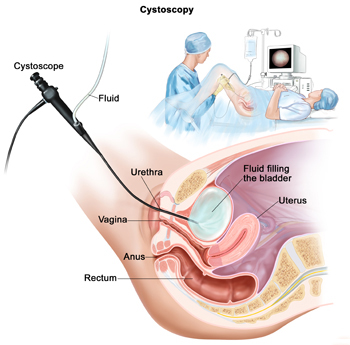
- Cystoscopy, allowing direct visual examination of the bladder lining and detection of any Hunner’s lesions — a finding specific to some IC cases
- Additional imaging or testing as needed to rule out other pelvic or bladder conditions
How Interstitial Cystitis Is Managed
- Lifestyle and dietary changes — identifying and avoiding personal trigger foods or drinks, such as caffeine, alcohol, or acidic foods
- Medications — oral treatments aimed at reducing bladder pain and inflammation
- Bladder instillations — medication delivered directly into the bladder to calm irritation
- Physical therapy — particularly pelvic floor therapy, since pelvic muscle tension often contributes to symptoms
- Nerve stimulation or other procedures — considered for cases that don’t respond well to first-line treatment
Treatment is typically layered and personalized, since what works well for one person’s triggers and symptom pattern may not work the same way for another.
Living With a Long-Term, Fluctuating Condition
Interstitial cystitis is associated with higher rates of low mood and reduced quality of life when left unmanaged, and it’s not uncommon for it to occur alongside conditions like irritable bowel syndrome or fibromyalgia. Recognizing this connection matters — treating the bladder symptoms alone sometimes isn’t enough, and addressing the broader picture, including emotional wellbeing, often improves overall outcomes.
Frequently Asked Questions
What is the difference between interstitial cystitis and a urinary tract infection?
Interstitial cystitis causes symptoms very similar to a UTI — urgency, frequency, and bladder pain — but without any actual infection present. This overlap is part of why IC can take time to properly diagnose, since infection needs to be ruled out first.
Why does interstitial cystitis take so long to diagnose?
There’s no single definitive test for IC. Diagnosis depends on ruling out other conditions with similar symptoms, such as infections, overactive bladder, or endometriosis, which is why it’s called a “diagnosis of exclusion.”
Can interstitial cystitis be cured?
There’s currently no single cure, but symptoms can often be significantly reduced through a combination of dietary changes, medication, bladder instillations, and pelvic floor therapy, tailored to the individual’s triggers and symptom pattern.
Does diet affect interstitial cystitis symptoms?
For many people, yes — certain foods and drinks, such as caffeine, alcohol, and acidic foods, can trigger or worsen symptoms. Identifying personal triggers through a food diary is often a useful first step alongside medical treatment.
Is interstitial cystitis connected to other health conditions?
It’s often associated with conditions like irritable bowel syndrome and fibromyalgia, and can affect mood and quality of life if left unmanaged. A comprehensive approach that considers overall wellbeing, not just bladder symptoms, often leads to better outcomes.
What are the common symptoms of interstitial cystitis?
Common symptoms include frequent urination, a strong urge to urinate, bladder or pelvic pain, and discomfort that may improve temporarily after urination.
Can interstitial cystitis occur in both men and women?
Yes. Interstitial cystitis can affect both men and women, although it is more commonly diagnosed in women.
How is interstitial cystitis treated?
Treatment is personalised according to symptoms and may include dietary modifications, medicines, pelvic floor therapy, bladder instillations, and other treatments recommended by a urologist.
Can interstitial cystitis symptoms come and go?
Yes. Symptoms may vary over time, with periods of increased discomfort or flare-ups followed by periods when symptoms are less noticeable.
When should I see a urologist for bladder pain or frequent urination?
If bladder pain, urgency, or frequent urination persists or keeps returning, consult a urologist. Proper evaluation can help rule out infections and other conditions with similar symptoms.
