
ZSR Stapler Circumcision in Pune
Dr. Rajesh Dhake > ZSR Stapler Circumcision
ZSR Stapler Circumcision — A Faster, Less Painful Alternative to Traditional Surgery
Circumcision has a reputation for being one of those procedures people put off longer than they should — mostly because the traditional method involves stitches, a longer healing window, and more discomfort than most patients expect. ZSR stapler circumcision was developed to change that. It’s a modern, minimally invasive technique that removes the foreskin using a specialized circular stapling device, cutting and closing the wound in a single step instead of a scalpel-and-suture approach.
This urology clinic in Pune, led by Dr. Rajesh Dhake, offers ZSR stapler circumcision as a faster-healing, lower-pain alternative to conventional circumcision, at its Wakad, Baner, and Pimple Saudagar locations. As an experienced urologist in Pune, the focus is on matching each patient to the technique that’s most appropriate for their anatomy and condition, with safety and comfort prioritized throughout.
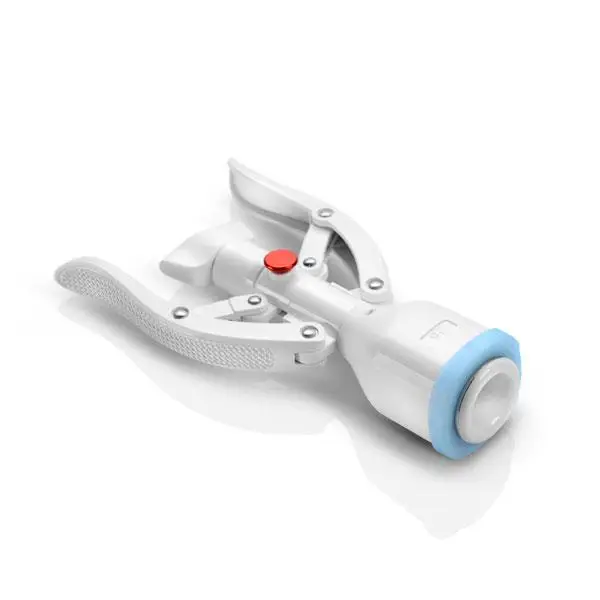
What Is ZSR Stapler Circumcision?
ZSR stapler circumcision uses a specialized disposable device — the ZSR circumcision stapler — that combines cutting and stapling into a single, continuous motion. The device has two parts: an inner bell that protects and shapes the glans during the procedure, and an outer bell that holds a circular blade and a ring of surgical staples. As the device closes, it trims the excess foreskin and seals the wound edges with staples at the same time, sealing small blood vessels as it goes.
Because cutting and closing happen together, there’s no separate suturing step, which is part of why the procedure is typically quicker, causes less bleeding, and tends to heal more predictably than traditional circumcision.
How the Procedure Works
- Consultation and evaluation
- Pre-procedure preparation
- Anesthesia
- Placement of the ZSR device
- Cutting and stapling
- Completion and observation
- Recovery guidance
The entire procedure is typically completed in well under half an hour.
Who Should Consider ZSR Circumcision?
ZSR circumcision may be recommended for individuals with:
- Phimosis — where the foreskin cannot be retracted properly over the head of the penis
- Paraphimosis — a retracted foreskin that cannot return to its normal position, causing pain and swelling
- Recurrent infections — frequent foreskin-related or urinary tract infections
- Balanitis — repeated inflammation, redness, or irritation of the glans and foreskin
- Pain during urination or intercourse — caused by a tight, restrictive foreskin
- Persistent hygiene difficulty — trouble keeping the area clean due to foreskin tightness
- Personal or preventive reasons — some patients opt for circumcision independent of a specific medical condition
An in-person evaluation determines whether ZSR is the appropriate method, or whether a different approach suits the individual case better.
Benefits of ZSR Stapler Circumcision
- Noticeably less pain during and after the procedure compared to conventional surgery
- Minimal bleeding, since the stapler seals as it cuts
- Shorter procedure time than traditional suturing-based surgery
- No stitches to have removed later
- Faster healing and a quicker return to normal activity
- Lower risk of swelling and infection with proper post-procedure care
- A cleaner, more uniform cosmetic result
- Same-day discharge in most cases
Recovery After ZSR Circumcision
Mild swelling or discomfort in the first few days is normal and usually manageable with the medication prescribed at discharge. Most patients return to light daily activity within a few days, while full healing generally takes a few weeks. Strenuous activity and sexual intercourse are best avoided until the surgeon confirms the area has healed completely, which is checked at a follow-up visit.
Frequently Asked Questions
Is ZSR stapler circumcision painful?
The procedure is done under local anesthesia, so discomfort during the surgery itself is minimal. Some mild soreness during the first few days of recovery is common and can usually be managed with prescribed medication.
How long does it take to recover from ZSR stapler circumcision?
Most patients resume normal daily activities within a few days, while complete healing typically takes a few weeks. Strenuous activity and intercourse should be avoided until the area is fully healed.
How long does the ZSR stapler circumcision procedure take?
The procedure itself is quick, usually completed within about 15 to 30 minutes depending on the individual’s anatomy and condition.
Who is a suitable candidate for ZSR stapler circumcision?
People with phimosis, paraphimosis, recurrent balanitis, frequent foreskin infections, or persistent hygiene difficulty are common candidates. An in-person evaluation confirms whether ZSR is the right approach for a specific case.
Is ZSR circumcision better than traditional circumcision?
ZSR circumcision generally involves less bleeding, less pain, a shorter procedure, and a faster recovery compared to conventional suturing-based circumcision. The most suitable method still depends on individual anatomy and medical history, which is assessed during consultation.
Does ZSR stapler circumcision leave a scar?
ZSR circumcision generally produces a cleaner, more uniform cosmetic result compared to traditional circumcision, since the device creates a consistent, even edge as it cuts and staples in one motion.
Is ZSR circumcision safe for adults as well as children?
Yes, ZSR stapler circumcision can be performed on both adults and children, with suitability determined by an in-person evaluation of the individual’s anatomy and the reason for the procedure.
What happens during the pre-procedure evaluation?
The surgeon examines the foreskin, discusses the reason for circumcision, and confirms that ZSR is a suitable technique for the individual’s anatomy before the procedure is scheduled.
Is the ZSR device removed after the procedure, or does it stay in place?
The device is used only during the procedure itself to cut and staple the tissue, then removed once the process is complete. The surgical staples remain on the wound edges temporarily as part of normal healing, similar to how staples work in other surgical contexts.
What are the signs of a complication after ZSR circumcision that I should watch for?
Excessive bleeding, signs of infection such as increasing redness, warmth, or discharge, or severe pain that doesn’t improve with prescribed medication should be reported to your surgeon promptly. Mild swelling and soreness in the first few days is expected and not typically a cause for concern.
