Urinary problems are common in men as they get older, and an enlarged prostate is one of the possible reasons behind these symptoms. If you are searching for guidance about prostate-related urinary difficulties, a Urologist in Pune can assess your symptoms and determine whether prostate enlargement, a urinary infection, bladder problems, or another condition may be involved. Understanding the cause is important because similar urinary symptoms can occur due to different medical conditions.
What Is Prostate Enlargement?
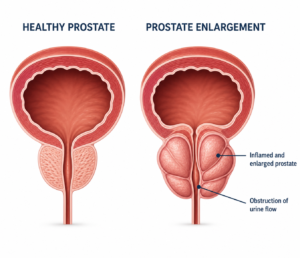
The prostate is a small gland located below the urinary bladder. It surrounds part of the urethra, the tube through which urine leaves the body. As men age, the prostate may gradually increase in size. This condition is commonly known as benign prostatic hyperplasia (BPH).
BPH is not prostate cancer, and having an enlarged prostate does not automatically mean that a person has cancer. However, the enlarged tissue can press against the urethra and may affect the normal flow of urine.
Not every man with an enlarged prostate develops bothersome urinary symptoms. The severity of symptoms can vary from person to person and does not always depend directly on the size of the prostate.
Common Urinary Symptoms of an Enlarged Prostate
When the prostate affects the urinary passage, a man may notice changes in his usual urination pattern. Some common symptoms include:
- Difficulty starting urination
- A weak or slow urine stream
- A urine stream that stops and starts
- Feeling that the bladder has not emptied completely
- Increased frequency of urination
- A sudden or strong urge to urinate
- Waking several times during the night to urinate
- Dribbling after urination
- Straining to begin or maintain urine flow
These symptoms can develop gradually. Some men may initially ignore them because they believe the changes are simply a normal part of ageing. However, persistent or worsening urinary symptoms should not be overlooked.
Why Does Prostate Enlargement Cause Urinary Problems?
The prostate surrounds the urethra near the bladder outlet. When prostate tissue grows, it can narrow the urinary passage and increase resistance to urine flow.
The bladder may initially compensate by working harder to push urine through the narrowed passage. Over time, this increased effort may contribute to symptoms such as urgency, frequency, and nighttime urination.
In some cases, the bladder may not empty fully. Remaining urine can increase the risk of complications such as recurrent urinary infections, bladder stones, or, in severe cases, problems affecting the upper urinary tract.
The relationship between prostate size and symptoms is not always straightforward. A man with a relatively small prostate may experience significant urinary symptoms, while another man with a larger prostate may have few complaints. This is why symptom assessment and appropriate medical evaluation are important.
Treatment Options for Urinary Problems Due to Prostate Enlargement
Treatment depends on the severity of symptoms, their effect on daily life, prostate-related findings, bladder function, and the presence of complications.
Lifestyle and Behavioural Measures
Men with mild symptoms may sometimes benefit from changes in daily habits. Depending on individual circumstances, these may include reducing fluid intake close to bedtime, limiting caffeine or other beverages that increase urinary frequency, avoiding prolonged holding of urine, and reviewing medications that may worsen urinary symptoms.
These measures do not remove the enlarged prostate, but they may help some men manage symptoms.
When Is a Procedure or Surgery Considered?
If urinary symptoms remain significant despite medication, or if complications develop, a procedure may be considered.
The choice depends on factors such as prostate size, prostate anatomy, urinary flow, bladder function, overall health, and previous treatment.
Common procedures for prostate enlargement include transurethral resection of the prostate (TURP) and various laser-based techniques. Other minimally invasive procedures may also be suitable for selected patients.
A Urology surgeon in Pune may assess the clinical findings and discuss which procedure, if any, is appropriate for the individual’s condition.
It is important to understand that no single procedure is suitable for every patient. Treatment decisions should be based on an individual evaluation rather than prostate size alone.
Can Prostate Enlargement Be Prevented?
There is no guaranteed way to prevent age-related prostate enlargement. However, maintaining healthy lifestyle habits, staying physically active, managing conditions such as diabetes and cardiovascular disease, and attending medical evaluations when urinary symptoms appear may support overall urinary and general health.
Men should also be aware of changes in their urinary habits. Early evaluation can help identify the cause of symptoms and determine whether observation, lifestyle measures, medication, or a procedure may be appropriate.
When Should You Seek Medical Attention?
Some urinary symptoms require prompt medical assessment. These include an inability to pass urine, severe lower abdominal discomfort associated with urinary retention, visible blood in the urine, fever with urinary symptoms, or significant pain.
Sudden inability to urinate can represent acute urinary retention and requires urgent medical attention.
It is also important not to assume that every urinary problem in an older man is caused by prostate enlargement. Urinary infection, bladder conditions, urethral narrowing, neurological disorders, and prostate cancer can sometimes cause similar symptoms. Proper evaluation helps distinguish between these conditions.
Final Thoughts
Urinary problems caused by prostate enlargement can range from mild changes in urinary habits to more significant difficulties with bladder emptying. Understanding the symptoms and identifying the underlying cause are important steps in deciding the appropriate management approach. Treatment may involve lifestyle changes, medicines, monitoring, or a procedure depending on the individual’s condition. If persistent urinary symptoms are affecting daily life, discussing them with a Urologist in Pune can help in understanding the possible cause and the next appropriate steps based on a proper medical evaluation.