
Vesicovaginal Fistula Treatment in Pune
Dr. Rajesh Dhake > Vesicovaginal Fistula Treatment
When the Body Creates a Passage It Was Never Meant to Have
A fistula, in the simplest terms, is an unwanted opening that forms between two parts of the body that were never meant to be connected. A vesicovaginal fistula (VVF) is a specific and particularly distressing version of this — an abnormal passage between the bladder and the vagina, which allows urine to continuously and involuntarily leak into the vaginal vault rather than staying confined to the urinary system. Beyond the physical symptoms, VVF often carries a significant emotional toll, and that side of the condition deserves just as much attention as the surgical repair itself.
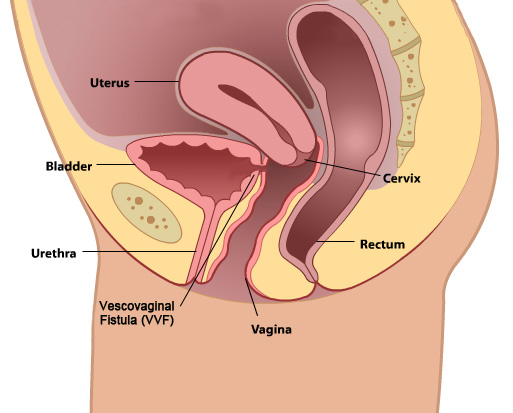
What Exactly Is Happening in a Vesicovaginal Fistula?
Under normal circumstances, urine travels a single, controlled path — from the bladder, through the urethra, and out of the body entirely under a person’s control. A vesicovaginal fistula disrupts that path by creating a secondary, unintended opening directly between the bladder and the vaginal wall. Once this passage exists, urine no longer stays contained; it leaks continuously through the fistula and out through the vagina, largely independent of a person’s ability to control it. This is what distinguishes VVF-related leakage from typical stress or urge incontinence — it isn’t triggered by coughing, laughing, or urgency, but happens more or less constantly, day and night, regardless of bladder fullness or effort.
Why Vesicovaginal Fistulas Develop
- Surgical complications — Fistulas often develop as a complication following surgery involving the bladder or vagina, including procedures like hysterectomy. Even with careful surgical technique, the close anatomical proximity of the bladder and vaginal wall means this remains a recognized, if uncommon, surgical risk.
- Gynecological cancer and its treatment — VVF can be linked to gynecological cancer itself, where a tumor directly invades or weakens the tissue separating the bladder and vagina. It can also arise as a side effect of the treatments used against that cancer, particularly radiation therapy, which can gradually damage tissue over time even well after treatment has finished.
- Prolonged obstructed labor — In regions where access to timely obstetric care is limited, prolonged, obstructed childbirth remains one of the most common causes worldwide. Sustained pressure from the baby’s head against the pelvis for an extended period can cut off blood flow to the tissue between the bladder and vaginal wall, causing that tissue to die and eventually create a fistula.
- Severe or recurrent infection — Particularly severe or repeated urinary tract infections can, though rarely, contribute to fistula formation by causing enough tissue damage and inflammation over time.
- Pelvic trauma — Injury to the pelvic region, though a less common cause, can also result in a fistula forming between these two structures.
Recognizing the Signs
- Constant wetness or dampness that doesn’t correspond to normal bladder timing
- Recurrent urinary tract infections, often linked to the ongoing presence of urine outside its normal pathway
- Skin irritation or discomfort in the genital area from prolonged urine exposure
- In some cases, a noticeable odor, given the continuous nature of the leakage
- Emotional distress, embarrassment, or social withdrawal, which is an understandably common response to a symptom this disruptive to daily life
How Vesicovaginal Fistula Is Diagnosed
- Pelvic examination — Often the starting point, allowing a direct physical assessment of the vaginal wall and any visible or palpable abnormality.
- Cystoscopy — A thin, camera-fitted scope is passed into the bladder to directly visualize the fistula tract from the bladder side, which helps confirm its exact location and size.
- Dye or indigo carmine testing — A colored dye is introduced into the bladder, and a vaginal swab is used to check for staining, helping confirm the presence and location of a fistula that might otherwise be difficult to see directly.
- Imaging studies — CT scans, X-rays, or specialized studies like a VCUG (voiding cystourethrogram) may be used to map the fistula’s exact path and rule out any involvement of nearby structures, such as the ureters.
Treatment Options
- Through the vagina, accessing and repairing the fistula directly via the vaginal opening — often the least invasive surgical route where anatomically feasible
- Through the abdomen, typically necessary for larger fistulas, those following radiation therapy, or cases where a previous repair attempt hasn’t succeeded
- Using minimally invasive or robotic-assisted techniques, which can offer the precision of open abdominal surgery with a smaller incision and generally faster recovery
Following surgical repair, a catheter is typically needed for a period of weeks while the repaired tissue heals fully, along with follow-up visits to confirm the repair has held.
Why the Emotional Impact Deserves Attention Too
Living with continuous, unpredictable urine leakage takes a toll that goes well beyond the physical symptoms. Many patients describe significant distress, embarrassment, and a tendency to withdraw from social situations while dealing with VVF — which is a completely understandable response to a condition this disruptive, not something to feel any shame about. Addressing this emotional weight, whether through open conversation with a care team or additional support where needed, is a meaningful part of the overall treatment picture, not a separate concern from the surgical repair itself.
Frequently Asked Questions
What is a vesicovaginal fistula, and what causes it?
A vesicovaginal fistula is an abnormal opening between the bladder and the vagina that allows urine to continuously leak into the vaginal vault. It’s most often a complication of pelvic or gynecological surgery, gynecological cancer or its treatment (particularly radiation therapy), prolonged obstructed childbirth, or, rarely, severe recurrent infection.
How is vesicovaginal fistula different from regular urinary incontinence?
Regular incontinence, such as stress or urge incontinence, typically involves leakage triggered by specific actions like coughing, laughing, or a sudden urge. VVF-related leakage is continuous and largely independent of these triggers, occurring day and night regardless of bladder fullness, because urine is escaping through an abnormal opening rather than the normal urinary pathway.
Can a vesicovaginal fistula heal without surgery?
In some cases, particularly small fistulas caught very early, placing a catheter to keep the bladder continuously drained can allow the fistula to close on its own over several weeks. However, this doesn’t work for every case, and many fistulas, especially larger or longer-standing ones, require surgical repair for a lasting resolution.
What does surgical repair for vesicovaginal fistula involve?
Surgical repair can be performed through the vagina, through the abdomen, or using minimally invasive or robotic-assisted techniques, depending on the fistula’s size, location, and cause. A catheter is typically needed for several weeks afterward while the repaired tissue heals completely.
Is it common for vesicovaginal fistula to affect emotional wellbeing?
Yes, and this is a recognized and valid part of the condition, not something separate from it. The continuous, unpredictable nature of the leakage often leads to significant distress, embarrassment, and social withdrawal, which is why addressing emotional wellbeing alongside the physical treatment matters throughout the care process.
Can a vesicovaginal fistula recur after successful repair?
Recurrence is uncommon after successful repair, especially when the underlying cause has been addressed, but it can happen in more complex cases, such as those following radiation therapy, which is why follow-up visits are recommended to confirm healing.
How long is the recovery period after fistula repair surgery?
Recovery generally involves several weeks with a catheter in place to protect the healing tissue, followed by a period of activity restriction; most patients can expect a fuller return to normal activity once the repair is confirmed to have healed well.
Does having a vesicovaginal fistula affect future pregnancies?
Depending on the cause and extent of the fistula and its repair, future pregnancy and delivery may need special planning with both a urologist and an obstetrician, particularly if the fistula was related to a difficult prior delivery.
Can radiation-induced vesicovaginal fistulas be treated the same way as surgical ones?
Radiation-related fistulas often involve more compromised surrounding tissue and can be more complex to repair, sometimes requiring an abdominal approach or additional tissue support during surgery, and generally need more careful long-term follow-up than surgical-injury fistulas.
Is vesicovaginal fistula a common condition?
It’s relatively uncommon in regions with good access to surgical and obstetric care, where it typically arises as a rare surgical complication, though it remains more prevalent in areas where prolonged obstructed labor without timely medical intervention still occurs.
What should someone do if they suspect they have a vesicovaginal fistula?
Anyone experiencing continuous, unexplained urine leakage from the vagina should seek a prompt urological evaluation, since early diagnosis often allows for simpler treatment options, including the possibility of non-surgical resolution in select cases.
