
Pelvic Conditions Treatment in Pune
Dr. Rajesh Dhake > Pelvic Conditions Treatment
What Exactly Is Pelvic Floor Dysfunction?
It’s a neuromuscular condition — meaning the problem lies in how the nerves and muscles of the pelvic floor communicate and function, not necessarily in the organs themselves. It shows up in two broad patterns:
- Hypotonic dysfunction — the muscles are loose or weakened, often behind stress incontinence or a feeling of the pelvic organs not being adequately supported
- Hypertonic dysfunction — the muscles are overly tight or in spasm, which can cause pain, urgency, and difficulty fully emptying the bladder
Both patterns can affect men and women, though it’s more frequently diagnosed in women, particularly after childbirth or during the hormonal changes of menopause.
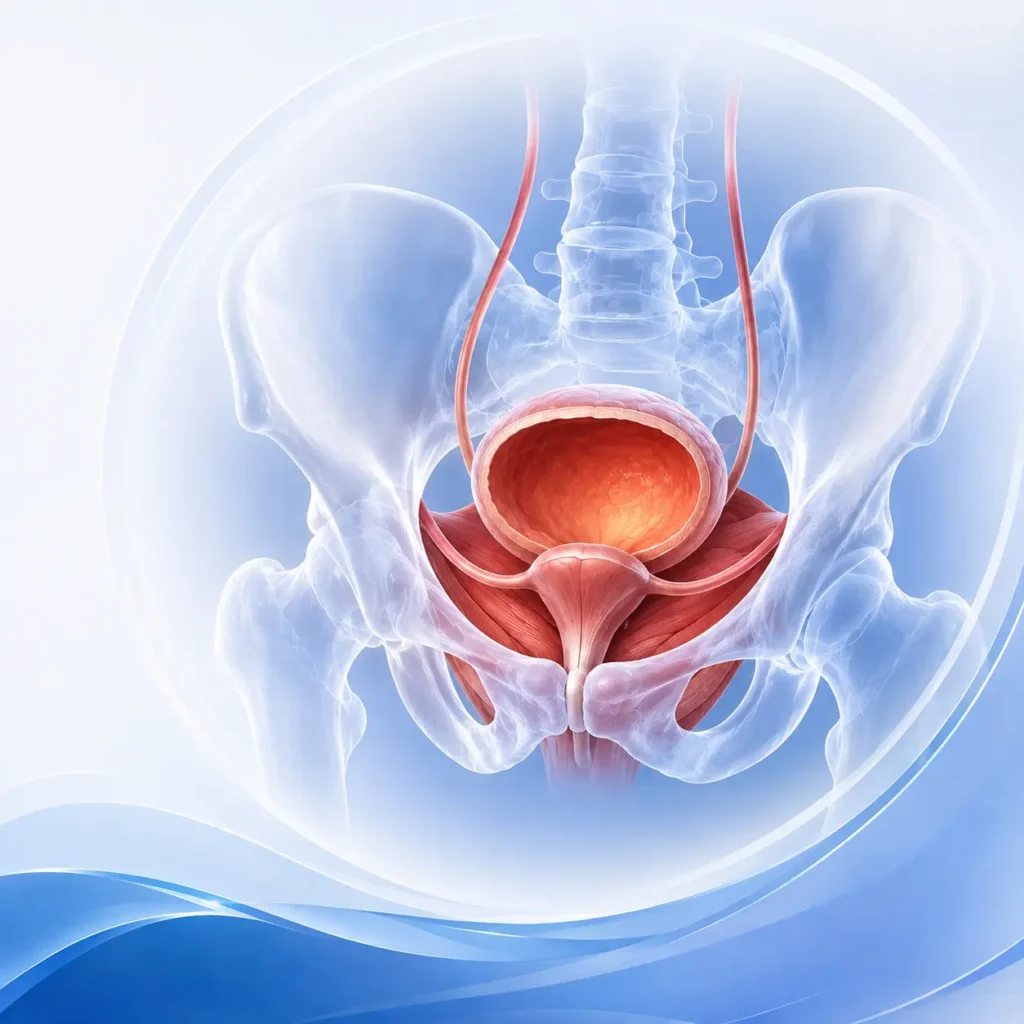
How Does This Actually Feel Day to Day?
Leaking urine without meaning to. This can happen during a cough, a sneeze, or exercise (stress incontinence), or as a sudden, hard-to-control urge (urge incontinence).
Needing the bathroom far more often than usual. Not just inconvenient — genuinely disruptive to work, sleep, and daily routine.
A burning or pressured feeling while urinating. Caused by the pelvic floor muscles putting irritating pressure on the bladder itself.
Trouble fully emptying the bladder. A sense that something is still left, even right after urinating.
Pelvic pain or pressure, sometimes described as a heaviness or a dragging sensation, particularly with hypertonic dysfunction.
Overactive Bladder — A Common Related Condition
Overactive bladder (OAB) often overlaps with pelvic floor issues and is defined by a sudden, difficult-to-postpone urge to urinate, frequently along with frequent urination and, in some cases, involuntary leakage. It’s one of the more common reasons patients end up being evaluated for pelvic floor dysfunction in the first place.
What Happens at a Consultation?
For hypotonic (weak muscle) cases:
- Pelvic floor exercises (Kegels) to rebuild strength
- Bladder training and behavioral techniques
- Medications where appropriate
For hypertonic (tight muscle) or overactive bladder cases:
- Behavioral interventions and bladder retraining
- Medication such as anticholinergics to calm bladder overactivity
- Intradetrusor Botox injections for cases resistant to standard treatment
- Nerve stimulation therapy
- Surgery to increase bladder capacity, reserved for more severe or unresponsive cases
Notably, the same exercise (Kegels) that helps one type of dysfunction can worsen the other — which is exactly why an accurate diagnosis has to come before any treatment plan, not after.
Is This Something You Should Just Live With?
No. It’s common, but common and normal aren’t the same thing. Left unaddressed, pelvic floor dysfunction tends to affect confidence, sleep, intimacy, and day-to-day comfort far more than people expect — and most cases respond well once properly diagnosed and treated.
Frequently Asked Questions
What's the difference between pelvic floor dysfunction and just having a weak bladder?
Pelvic floor dysfunction is a broader neuromuscular issue that can involve either weak, loose muscles or muscles that are too tight and in spasm — both can cause bladder-related symptoms, but they need very different treatments.
Does pelvic floor dysfunction only affect women?
No. While it’s diagnosed more often in women, especially after childbirth or menopause, it affects men too, and pelvic floor evaluation is a routine part of urological care for both.
Are Kegel exercises always the right treatment?
Not always — Kegels help when muscles are weak, but they can actually worsen symptoms if the muscles are already too tight. This is why proper diagnosis matters before starting any exercise-based treatment.
What is overactive bladder, and how is it related to pelvic floor issues?
Overactive bladder causes a sudden, hard-to-control urge to urinate, often alongside frequency and leakage, and frequently overlaps with pelvic floor dysfunction. The two are often evaluated and treated together.
When should I see a specialist about pelvic floor symptoms?
If leaking urine, frequent urgency, incomplete bladder emptying, or pelvic pain is affecting your daily routine, sleep, or confidence, it’s worth getting evaluated rather than adjusting your life around the symptoms.
Is pelvic pain always related to pelvic floor dysfunction?
Not always, but pelvic pain or a feeling of heaviness or pressure is a common symptom of hypertonic pelvic floor dysfunction. A proper evaluation is needed to determine whether pelvic floor dysfunction or another condition is the underlying cause.
Can menopause affect pelvic floor function?
Yes, hormonal changes during menopause can contribute to pelvic floor dysfunction, which is one of the reasons it’s more frequently diagnosed in women during and after this stage of life.
What is Botox used for in pelvic floor treatment?
Intradetrusor Botox injections are used to help relax an overactive bladder muscle in cases that haven’t responded to standard behavioral or medication-based treatment, reducing involuntary contractions and associated urgency.
Is surgery ever needed for pelvic floor dysfunction?
Surgery, such as a procedure to increase bladder capacity, is reserved for more severe or treatment-resistant cases where behavioral therapy, medication, and other options haven’t provided sufficient relief.
How long does it take to see improvement with pelvic floor treatment?
This varies depending on the type and severity of dysfunction and the treatment used. Behavioral approaches like Kegels or bladder training often show gradual improvement over several weeks, while other treatments may offer faster relief depending on the individual case.
Can untreated pelvic floor dysfunction get worse over time?
Yes, left unaddressed, pelvic floor dysfunction tends to affect confidence, sleep, intimacy, and daily comfort more than people expect, and symptoms often persist or worsen without proper diagnosis and treatment.
