Uncategorized

urologist in pune
Uncategorized

Treatment for Urinary Problems Due to Prostate Enlargement

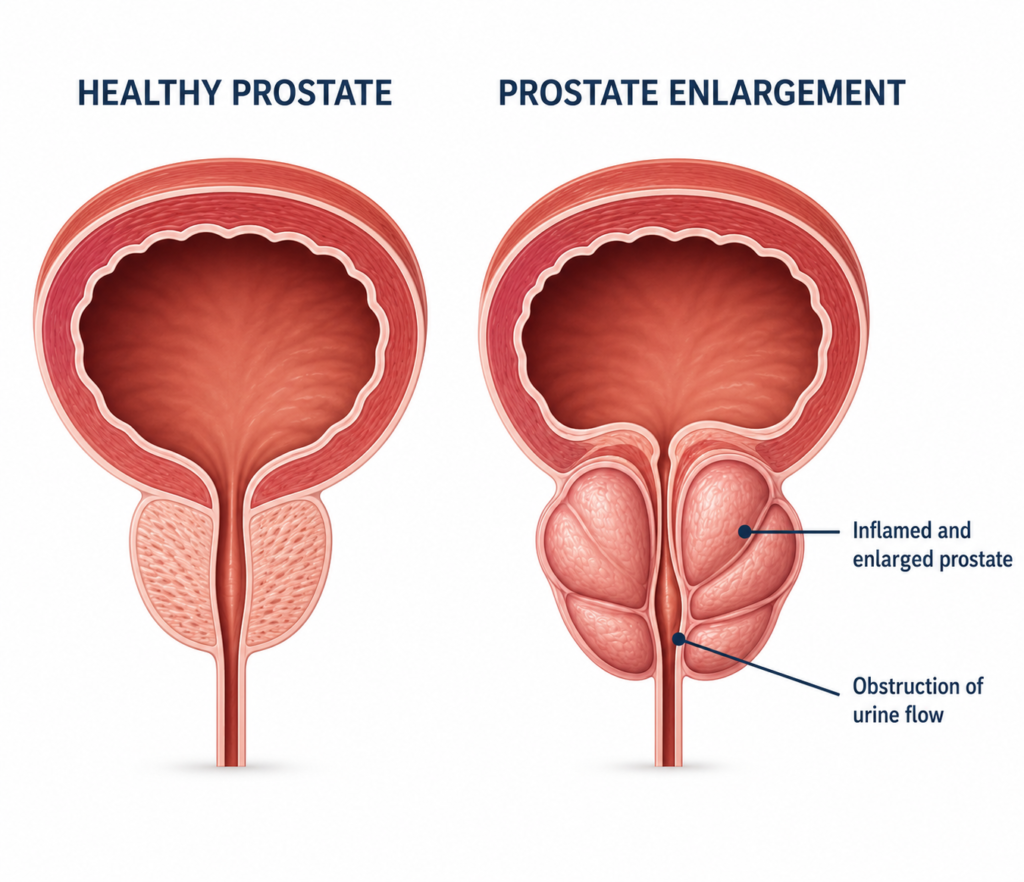
Urinary problems are common in men as they get older, and an enlarged prostate is one of the possible reasons behind these symptoms. If you are searching for guidance about prostate-related urinary difficulties, a Urologist in Pune can assess your symptoms and determine whether prostate enlargement, a urinary infection, bladder problems, or another condition may be involved. Understanding the cause is important because similar urinary symptoms can occur due to different medical conditions. What Is Prostate Enlargement? The prostate is a small gland located below the urinary bladder. It surrounds part of the urethra, the tube through which urine leaves the body. As men age, the prostate may gradually increase in size. This condition is commonly known as benign prostatic hyperplasia (BPH). BPH is not prostate cancer, and having an enlarged prostate does not automatically mean that a person has cancer. However, the enlarged tissue can press against the urethra and may affect the normal flow of urine. Not every man with an enlarged prostate develops bothersome urinary symptoms. The severity of symptoms can vary from person to person and does not always depend directly on the size of the prostate. Common Urinary Symptoms of an Enlarged Prostate When the prostate affects the urinary passage, a man may notice changes in his usual urination pattern. Some common symptoms include: Difficulty starting urination A weak or slow urine stream A urine stream that stops and starts Feeling that the bladder has not emptied completely Increased frequency of urination A sudden or strong urge to urinate Waking several times during the night to urinate Dribbling after urination Straining to begin or maintain urine flow These symptoms can develop gradually. Some men may initially ignore them because they believe the changes are simply a normal part of ageing. However, persistent or worsening urinary symptoms should not be overlooked. Why Does Prostate Enlargement Cause Urinary Problems? The prostate surrounds the urethra near the bladder outlet. When prostate tissue grows, it can narrow the urinary passage and increase resistance to urine flow. The bladder may initially compensate by working harder to push urine through the narrowed passage. Over time, this increased effort may contribute to symptoms such as urgency, frequency, and nighttime urination. In some cases, the bladder may not empty fully. Remaining urine can increase the risk of complications such as recurrent urinary infections, bladder stones, or, in severe cases, problems affecting the upper urinary tract. The relationship between prostate size and symptoms is not always straightforward. A man with a relatively small prostate may experience significant urinary symptoms, while another man with a larger prostate may have few complaints. This is why symptom assessment and appropriate medical evaluation are important. Treatment Options for Urinary Problems Due to Prostate Enlargement Treatment depends on the severity of symptoms, their effect on daily life, prostate-related findings, bladder function, and the presence of complications. Lifestyle and Behavioural Measures Men with mild symptoms may sometimes benefit from changes in daily habits. Depending on individual circumstances, these may include reducing fluid intake close to bedtime, limiting caffeine or other beverages that increase urinary frequency, avoiding prolonged holding of urine, and reviewing medications that may worsen urinary symptoms. These measures do not remove the enlarged prostate, but they may help some men manage symptoms. When Is a Procedure or Surgery Considered? If urinary symptoms remain significant despite medication, or if complications develop, a procedure may be considered. The choice depends on factors such as prostate size, prostate anatomy, urinary flow, bladder function, overall health, and previous treatment. Common procedures for prostate enlargement include transurethral resection of the prostate (TURP) and various laser-based techniques. Other minimally invasive procedures may also be suitable for selected patients. A Urology surgeon in Pune may assess the clinical findings and discuss which procedure, if any, is appropriate for the individual’s condition. It is important to understand that no single procedure is suitable for every patient. Treatment decisions should be based on an individual evaluation rather than prostate size alone. Can Prostate Enlargement Be Prevented? There is no guaranteed way to prevent age-related prostate enlargement. However, maintaining healthy lifestyle habits, staying physically active, managing conditions such as diabetes and cardiovascular disease, and attending medical evaluations when urinary symptoms appear may support overall urinary and general health. Men should also be aware of changes in their urinary habits. Early evaluation can help identify the cause of symptoms and determine whether observation, lifestyle measures, medication, or a procedure may be appropriate. When Should You Seek Medical Attention? Some urinary symptoms require prompt medical assessment. These include an inability to pass urine, severe lower abdominal discomfort associated with urinary retention, visible blood in the urine, fever with urinary symptoms, or significant pain. Sudden inability to urinate can represent acute urinary retention and requires urgent medical attention. It is also important not to assume that every urinary problem in an older man is caused by prostate enlargement. Urinary infection, bladder conditions, urethral narrowing, neurological disorders, and prostate cancer can sometimes cause similar symptoms. Proper evaluation helps distinguish between these conditions. Final Thoughts Urinary problems caused by prostate enlargement can range from mild changes in urinary habits to more significant difficulties with bladder emptying. Understanding the symptoms and identifying the underlying cause are important steps in deciding the appropriate management approach. Treatment may involve lifestyle changes, medicines, monitoring, or a procedure depending on the individual’s condition. If persistent urinary symptoms are affecting daily life, discussing them with a Urologist in Pune can help in understanding the possible cause and the next appropriate steps based on a proper medical evaluation.  
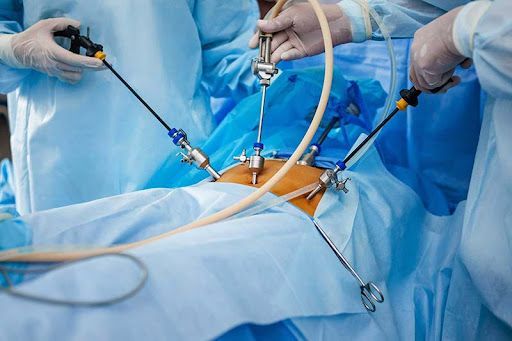
Laparoscopic urology surgery procedure by Dr. Rajesh Dhake in Pune
Uncategorized

Laparoscopic Urology Surgery: A Modern, Painless Approach to Urological Care

Preface: Advancing Urology with Precision and Care Medical science has entered an era where surgeries no longer mean big incisions or painful recoveries. One of the greatest advancements in this field is laparoscopic urology surgery  a minimally invasive, highly precise technique that allows patients to heal faster and more comfortably than ever before. At Dr. Rajesh Dhakes Urology Clinic in Pune, we specialize in advanced laparoscopic and laser-assisted procedures, combining technology with expert hands to deliver results that are safe, accurate, and nearly painless. This modern approach is reshaping the way urological surgeries are performed, giving patients renewed confidence and a smoother recovery journey. What Is Laparoscopic Urology Surgery? Laparoscopic surgery, also known as keyhole surgery, is a technique that uses very small incisions  often less than a centimeter  to perform complex operations. Instead of a large open cut, a thin tube equipped with a camera (called a laparoscope) and delicate surgical instruments are inserted through tiny openings. The camera transmits a clear, magnified view of the internal organs onto a monitor, allowing the surgeon to operate with remarkable precision. Common Urological Conditions Treated Laparoscopically: This method minimizes tissue damage, reduces pain, and helps patients recover in a fraction of the time compared to traditional open surgery. How Does Laparoscopic Surgery Differ from Open Surgery? Traditional open surgery usually involves a large incision  often around 6 to 10 inches  which exposes the surgical area directly. This leads to more pain, a higher risk of infection, and a longer hospital stay. Patients typically need several weeks to recover fully. In contrast, laparoscopic surgery uses tiny cuts (around 0.5 to 1 inch), through which the surgeon inserts miniature instruments and a camera. Because of these smaller incisions, patients experience minimal discomfort, negligible scarring, and significantly shorter recovery time. While open surgery often requires four to six weeks of rest before resuming daily activities, most laparoscopic surgery patients return to work within one to two weeks. Moreover, the high-definition, magnified view provided by the laparoscope gives surgeons far greater precision than the naked eye  resulting in more accurate and safer outcomes. In short, laparoscopic surgery offers all the benefits of modern medicine: less pain, faster recovery, and better cosmetic results, without compromising on safety or effectiveness. Step-by-Step: How the Procedure Works At Dr. Dhakes Urology Clinic, each laparoscopic surgery is carefully planned and performed with precision. Heres what a typical procedure involves: This minimally invasive process ensures quick recovery, minimal pain, and exceptional precision. Benefits of Laparoscopic Urology Surgery Laparoscopic techniques have revolutionized modern urology, offering several life-changing advantages for patients: 1. Minimal Pain and Scarring Tiny incisions mean less tissue trauma, resulting in reduced pain and nearly invisible scars after healing. 2. Faster Recovery and Shorter Hospital Stay Most patients are discharged within 24 to 48 hours and can resume their normal routine in just a few days. 3. Greater Precision and Safety The magnified view allows for fine surgical movements, minimizing risks to surrounding organs and tissues. 4. Lower Infection Risk Smaller wounds significantly reduce the chances of infection or complications. 5. Cost-Effective in the Long Run Shorter hospitalization, faster recovery, and fewer post-surgery complications make laparoscopic surgery a more economical option. 6. Better Cosmetic Outcome Tiny, barely visible scars ensure confidence and satisfaction post-recovery. Common Laparoscopic Procedures Performed at Dr. Dhakes Clinic At Dr. Rajesh Dhakes Urology Clinic in Pune, a wide range of advanced laparoscopic and laser-based urological procedures are available, including: Every surgery is tailored to the patients condition, age, and medical background to ensure maximum safety and effectiveness. Who Can Benefit from Laparoscopic Surgery? You may be an ideal candidate for laparoscopic urology surgery if you: Dr. Dhake will conduct a detailed evaluation and suggest the most suitable approach for your specific condition. Recovery and Post-Surgery Care Laparoscopic surgery ensures quick and smooth recovery. Most patients experience only mild discomfort for a few days. Heres what recovery typically looks like: At Dr. Dhakes clinic, every patient receives personalized post-operative care and guidance to ensure complete recovery and peace of mind. Why Choose Dr. Rajesh Dhakes Urology Clinic in Pune? With over 17 years of surgical experience, Dr. Rajesh Dhake is one of Punes most trusted names in laparoscopic and laser urology. What makes our clinic stand out: Our mission is to make modern urological care accessible, painless, and precise for every patient who walks through our doors. Conclusion: The Future of Urological Surgery Is Here Laparoscopic urology surgery represents a major leap forward  offering painless, precise, and quick recovery options for patients who once feared long and difficult procedures. At Dr. Rajesh Dhakes Urology Clinic in Pune, we bring together innovation, expertise, and empathy to deliver results that restore both health and confidence. =

Urologist performing kidney and urinary health check-up at Dr. Rajesh Dhakes Clinic Pune
Uncategorized

Your Guide to Regular Urological Check-ups: A Step Toward Better Kidney Health

Preface: Prevention Is the Best Medicine Most people visit a doctor only when something feels wrong  pain, fever, or discomfort that wont go away. But when it comes to your urinary and kidney health, waiting for symptoms can be risky. Many urological conditions  such as kidney stones, prostate issues, and urinary tract infections (UTIs)  develop quietly before showing any major signs. By the time symptoms appear, the condition may already have progressed. Thats why regular urological check-ups arent just a safeguard; theyre an investment in your long-term health. At Dr. Rajesh Dhakes Urology Clinic in Pune, we focus on preventive care through routine screening and early diagnosis  helping patients maintain healthy kidneys and bladder function throughout their lives. Lets explore why these check-ups matter, what they involve, and how they can make a life-changing difference. Why Are Regular Urology Check-ups Important? Your urinary system plays a vital role in filtering waste, maintaining fluid balance, and regulating blood pressure. However, just like any other organ, your kidneys and bladder are prone to infections, blockages, and age-related wear. Heres why routine urology visits are essential: 1. Early Detection of Silent Conditions Many kidney and prostate problems develop silently. Regular testing ensures early detection  when treatment is easier, faster, and more effective. 2. Preventing Complications Ignoring mild urinary symptoms can lead to chronic kidney disease, infertility, or severe infections. Timely medical management helps avoid these serious complications. 3. Monitoring Existing Conditions For patients whove had kidney stones, surgeries, or UTIs before, follow-up check-ups help prevent recurrence and track recovery progress. 4. Peace of Mind Knowing your kidneys and urinary system are healthy brings reassurance and reduces anxiety about hidden health risks. Understanding the Urological System Before we go into what a check-up involves, lets understand what the urological system includes: Each part needs to function harmoniously  even a small disruption can lead to pain, infection, or long-term damage. What Happens During a Urological Check-up? A urological check-up is a comprehensive evaluation of your urinary systems performance. At Dr. Dhakes Urology Clinic, the process is comfortable, confidential, and focused on patient well-being. Heres what typically happens: 1. Medical History Review Dr. Dhake begins by understanding your symptoms, lifestyle, past medical history, and family background to identify possible risk factors. 2. Physical Examination A targeted physical exam helps assess kidney tenderness, bladder distension, or prostate enlargement (for men). 3. Urine Analysis A simple urine test can detect infections, blood traces, protein levels, and sugar  early signs of kidney disease or diabetes. 4. Ultrasound or Imaging Tests Ultrasound scans provide a clear view of the kidneys, bladder, and prostate, helping detect stones, tumors, or structural abnormalities. 5. Blood Tests Tests such as creatinine, urea, and electrolyte levels reveal how efficiently your kidneys are filtering waste. 6. Prostate-Specific Antigen (PSA) Test For men above 45, this test helps detect early prostate cancer or benign enlargement of the prostate. 7. Discussion & Recommendations Dr. Dhake reviews the results and explains them in simple terms, offering personalized lifestyle advice or treatment plans if needed.  Who Should Get Regular Urological Check-ups? While everyone can benefit from periodic visits, certain groups are at higher risk and should be more vigilant: For these groups, annual or biannual check-ups are strongly recommended. Benefits of Regular Urology Check-ups Routine visits can help you in more ways than you might think: Everyday Habits to Support Kidney and Bladder Health Regular check-ups matter  but daily habits make an equally big difference. Dr. Dhake recommends adopting these simple lifestyle changes for long-term kidney protection: Small changes can make a significant impact on preventing kidney stones, infections, and other urinary issues. = Why Choose Dr. Rajesh Dhakes Urology Clinic in Pune? With over 17 years of experience in urology and kidney care, Dr. Rajesh Dhake is one of Punes most trusted specialists. His clinic is equipped with advanced diagnostic tools and laser technologies, ensuring precise results and comfortable treatments. Patients choose Dr. Dhake for: Whether youre managing an existing condition or prioritizing prevention, youll find a welcoming, professional, and reassuring environment at our clinics in Pune. =

Doctor explaining bladder cancer awareness and early detection to patient
Uncategorized

Bladder Cancer Awareness: Early Detection Can Save Lives

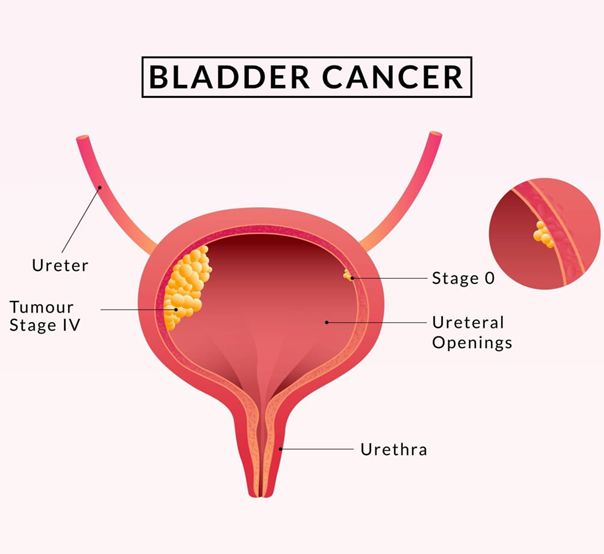
Preface: Mindfulness Is the First Step Toward Healing When it comes to our health, early awareness often makes the biggest difference. Bladder cancer, though not as widely discussed as other cancers, is one of the most common urological cancers worldwide. The good news? When detected early, bladder cancer is highly treatable, and patients can lead healthy, fulfilling lives. At Dr. Rajesh Dhakes Urology Clinic in Pune, we believe knowledge is power  and awareness is the best form of prevention. Heres everything you need to know about recognizing the signs, understanding the risk factors, and taking proactive steps to protect your bladder health. What Is Bladder Cancer? Bladder cancer begins when abnormal cells grow uncontrollably in the lining of the bladder  the organ that stores urine. Over time, these cancerous cells can invade deeper layers or spread to nearby tissues if not detected early. The most common type is transitional cell carcinoma (TCC), accounting for nearly 90% of all cases. Early Signs and Symptoms to Watch Out For Bladder cancer symptoms often resemble common urinary problems  which is why early detection can be challenging. Here are some key warning signs you should never ignore: Even if these symptoms seem mild or come and go, its important to consult a qualified urologist in Pune  like Dr. Rajesh Dhake  for proper evaluation and diagnosis. What Causes Bladder Cancer? While the exact cause can vary from person to person, several risk factors increase the chances of developing bladder cancer: Understanding these factors helps individuals make informed lifestyle choices and schedule timely urology check-ups. Diagnosis: How Is Bladder Cancer Detected? Early and accurate diagnosis can save lives. At Dr. Dhakes Urology Clinic, we use advanced diagnostic tools for precise and reliable results: These diagnostic procedures ensure that each patient receives an individualized treatment plan suited to their condition and cancer stage. Modern Treatment Options for Bladder Cancer Treatment varies based on how far the cancer has progressed. At Dr. Rajesh Dhakes clinic, both medical and surgical options are available to achieve the best possible outcomes: With the use of advanced laparoscopic and laser techniques, patients experience faster recovery, minimal pain, and reduced recurrence rates. Lifestyle and Prevention Tips While not all cases are preventable, adopting a healthier lifestyle can significantly lower your risk of bladder cancer: Conclusion: Early Detection Truly Saves Lives Bladder cancer may sound intimidating, but early detection changes everything. Awareness, timely diagnosis, and expert treatment are your strongest defense. At Dr. Rajesh Dhakes Urology Clinic in Pune, we are dedicated to guiding you through every step  from diagnosis to recovery  with compassion, precision, and personalized care. =

Urologist conducting early diagnosis for urinary health including kidney stones, UTIs, and prostate issues.
Uncategorized

Why Early Diagnosis is So Important to Urological Well-being and How Services Can Assist

Our overall well-being relies heavily on urological health, yet many people ignore subtle warning signs such as bladder pain, blood in the urine, or frequent trips to the toilet. These symptoms may seem minor, but they could indicate serious issues affecting the kidneys, bladder, urethra, or prostate. Early diagnosis is one of the most powerful tools in preventing complications and ensuring prompt treatment. Modern urology combines advanced diagnostic technology with expert care to detect issues before they progress, helping preserve health and quality of life. The Importance of Early Diagnosis Most urological disorders develop silently and only show symptoms once they are advanced. Detecting them early can make a significant difference in treatment outcomes. Heres why early diagnosis is crucial: 1. Prevents Complications Conditions such as kidney stones, prostate enlargement, and urinary tract infections (UTIs) can worsen if left untreated. Timely diagnosis prevents damage to the kidneys, bladder, or urinary tract. 2. Enhances Treatment Success Early-stage conditions are easier to manage and often require less invasive interventions. For example, a small kidney stone may be treated with medication or laser, whereas a neglected large stone might require surgery. 3. Reduces Treatment Costs Prompt treatment saves patients from expensive and complex procedures later. Early care often means shorter hospital stays, quicker recovery, and lower overall medical expenses. 4. Improves Quality of Life Untreated urinary problems can lead to pain, discomfort, disturbed sleep, and emotional stress. Early treatment restores comfort, allowing patients to return to normal activities sooner. 5. Detects Serious Conditions Early Blood in the urine, recurrent infections, or straining during urination may be signs of bladder, kidney, or prostate cancer. Detecting these conditions early greatly improves the chances of a positive outcome. Common Urological Issues That Require Early Detection How Urology Services Assist in Early Diagnosis Modern urology services are equipped with advanced technology and expert professionals who focus on early detection. Heres how they make a difference: 1. Advanced Diagnostics Tests such as urine analysis, blood tests, ultrasounds, CT scans, and cystoscopy help detect issues at the earliest stage, allowing for targeted treatment. 2. Personalized Consultation Every patient undergoes a detailed assessment, taking into account symptoms, medical history, and risk factors. This ensures focused investigations and tailored treatment plans. 3. Preventive Screenings Routine prostate exams, kidney function tests, and imaging are recommended for those at higher risk. Preventive screening can identify conditions even before symptoms appear. 4. Minimally Invasive Treatments When issues are detected, minimally invasive options like laser lithotripsy, endoscopic procedures, or laparoscopic surgeries are offered  ensuring quicker recovery and minimal discomfort. Tips to Maintain Urological Health Along with medical care, a few lifestyle habits can support urinary health: Conclusion Early diagnosis is the key to long-term urological well-being. It enables timely treatment, prevents complications, and ensures treatment is as simple and effective as possible. Ignoring symptoms or delaying consultation can turn a manageable issue into a severe health concern. If you are experiencing urinary symptoms or wish to book a preventive check-up, visit Dr. Rajesh Dhake  With his expertise and access to advanced diagnostic tools, you can be assured of accurate diagnosis, effective treatment, and compassionate care for all your urological needs.

Expert urologist treating urinary problems with advanced diagnostic tools and modern treatments.
Uncategorized

Managing Urinary Problems: How Expert Urology Services Make a Difference

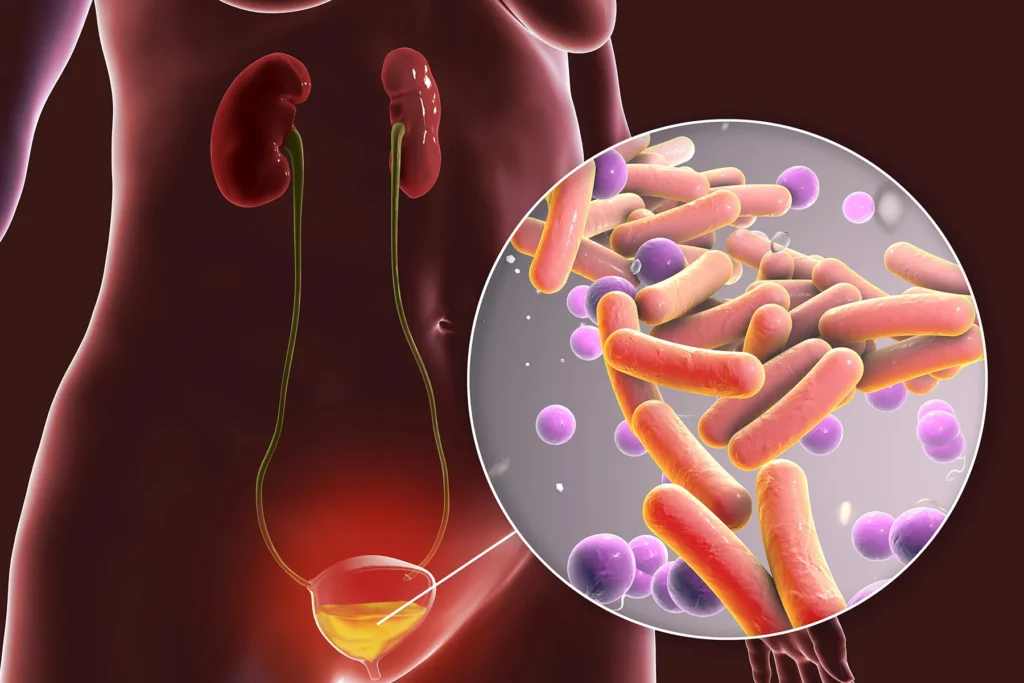
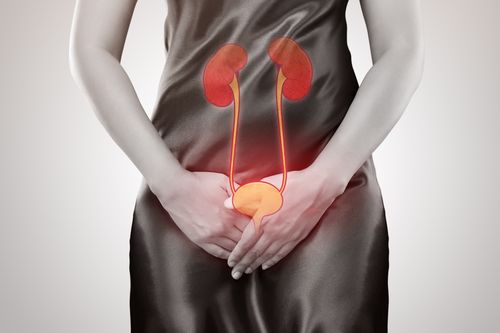
Urinary problems are among the most common health concerns affecting both men and women, yet they are often ignored until they become severe. Issues like frequent urination, urinary tract infections (UTIs), blood in the urine, difficulty passing urine, or incontinence can seriously affect daily life and overall health. Fortunately, modern urology offers accurate diagnostic tools and effective treatments to address these issues early and prevent complications. In this blog, we discuss common urinary problems, why you shouldnt ignore them, and how expert urology care can help you regain comfort, confidence, and health. Understanding Urinary Issues Urinary problems may involve the kidneys, ureters, bladder, or urethra. Here are some of the most common conditions: If left untreated, these problems can worsen, leading to kidney damage, chronic infections, or persistent pain. Why Expert Urology Care Matters Specialized urology care focuses on identifying the root cause of urinary issues and treating them with precision. Heres how a skilled urologist makes a difference: 1. Accurate Diagnosis Urologists use advanced tools like urine tests, ultrasounds, CT scans, and cystoscopy to pinpoint the exact issue. This leads to faster and more effective treatment. 2. Personalized Treatment Plans No two patients are the same. A good urologist designs a treatment plan considering your age, medical history, and lifestyle. Options may include medication, dietary changes, or surgical intervention for lasting relief. 3. Minimally Invasive Procedures Modern urology emphasizes minimally invasive techniques. Procedures like laser lithotripsy for kidney stones, laparoscopic surgery for obstructions, and endoscopic interventions reduce pain, minimize scarring, and allow quicker recovery. 4. Chronic Condition Management Conditions like recurrent UTIs, overactive bladder, and enlarged prostate require ongoing care. Urologists offer continuous monitoring, treatment adjustments, and lifestyle advice to prevent recurrence. 5. Preventive Care and Early Detection Regular check-ups with a urologist can detect issues early, including prostate problems, bladder cancer, or kidney stones  making treatment more effective and less complicated. Lifestyle Tips for Better Urinary Health In addition to professional care, adopting healthy habits can support urinary wellness: When to See a Urologist Seek medical help if you experience: Prompt consultation can prevent minor issues from turning into major health concerns. Conclusion Urinary issues can be uncomfortable and disruptive, but with early detection and expert care, they are highly treatable. If you are experiencing urinary symptoms or need professional care, contact Dr. Rajesh Dhake . With extensive experience and access to advanced urology technologies, Dr. Dhake offers personalized, compassionate, and effective treatment for all urinary and kidney-related conditions.

Comparison of laser lithotripsy and conventional surgery for kidney stones with anatomical illustration of kidneys.
Uncategorized

Laser vs Conventional Surgery for Kidney Stones: What You Need to Know

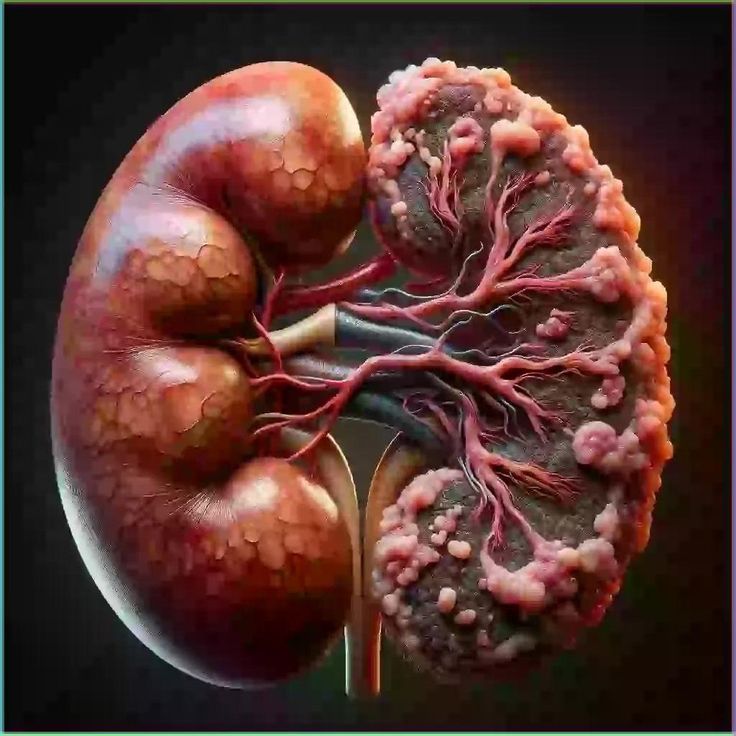
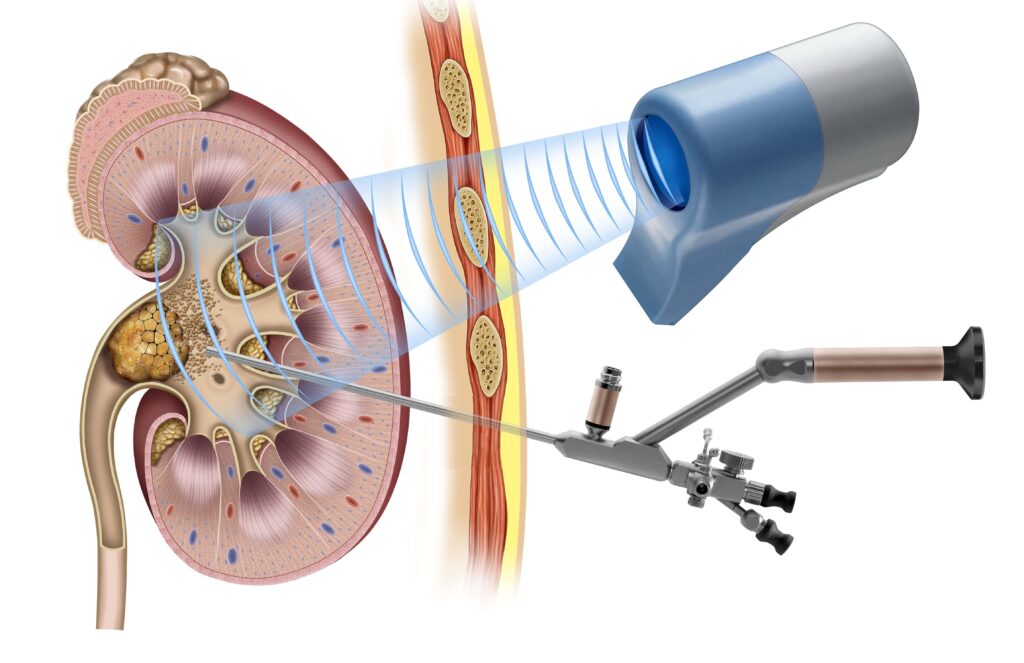
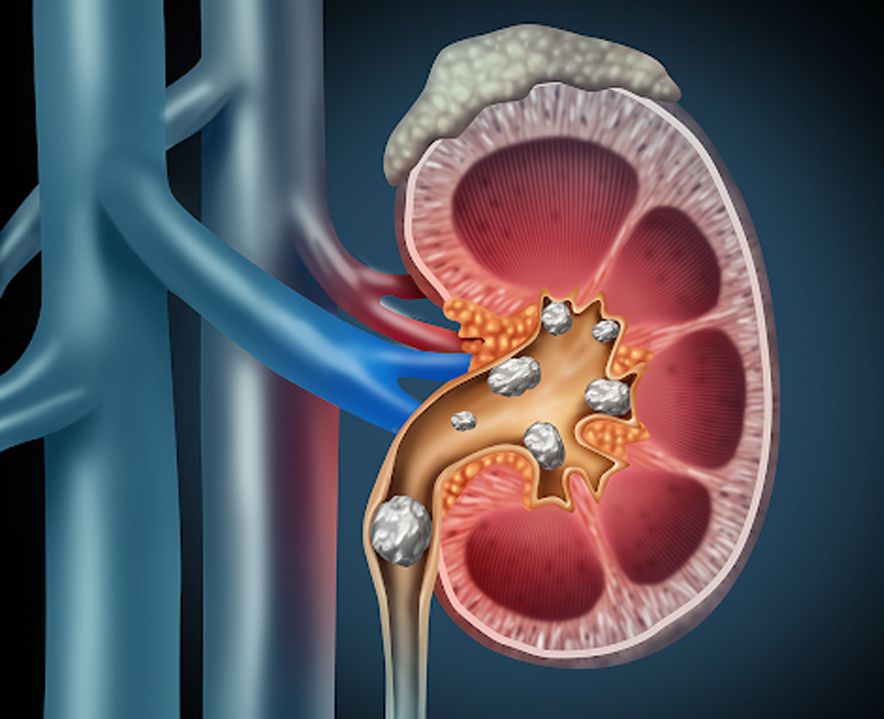
Kidney stones are a common urological problem that can cause severe pain, urinary difficulties, and serious complications if left untreated. Thanks to modern medical advancements, patients now have several treatment options, including laser lithotripsy and traditional open surgery. Understanding the differences between these treatments can help you make an informed decision about your care. Understanding Kidney Stones Kidney stones are hard, crystalline deposits of minerals and salts that form inside the kidneys. They can be as small as grains of sand or as large as pebbles, sometimes blocking the urinary tract. Common symptoms include severe flank pain, blood in the urine, nausea, vomiting, and frequent urination. While small stones may pass naturally, larger stones often require medical intervention. Traditional Surgery for Kidney Stones Open surgery was once the standard approach for removing kidney stones, especially large or complex ones. During this procedure, the surgeon makes an incision to access the kidney or ureter and remove the stones directly. Advantages of Conventional Surgery Drawbacks Though still necessary for some cases, conventional surgery is now used less frequently thanks to the rise of minimally invasive techniques. Laser Treatment for Kidney Stones Laser lithotripsy is a modern, minimally invasive procedure that uses high-energy laser pulses to break kidney stones into small fragments. These fragments are either passed naturally through urine or removed using a thin scope. Benefits of Laser Lithotripsy Though rare, complications can include infection or ureteral injury. In some cases, extremely large or unusually shaped stones may not be suitable for laser treatment. Choosing the Right Treatment The choice between laser lithotripsy and open surgery depends on several factors: At Dr. Rajesh Dhakes Clinic, patients receive state-of-the-art diagnostics, advanced treatment techniques, and individualized care plans  from pre-procedure assessment to post-operative guidance  ensuring the best possible outcomes. Recovery and Aftercare Recovery varies based on the treatment method. Conclusion While conventional surgery remains an important option for certain cases, laser lithotripsy offers a less invasive, highly effective, and faster recovery solution for most patients. If you are dealing with kidney stones or severe urinary pain, consult an experienced urologist. Dr. Rajesh Dhake provides expert diagnosis and advanced treatments to help you return to a pain-free life quickly and safely.

Urologist in Pune explaining kidney and bladder cancer treatment to patient
Uncategorized

Living with Urinary Cancer: Coping Mechanisms and Support

Urinary cancers, including bladder cancer, kidney cancer, and cancer of the ureter, are some of the more difficult urological conditions for patients to deal with. Diagnosis tends to result not only in physical pain but also emotional and psychological distress. Yet, with proper treatment, lifestyle modifications, and support, patients can cope with the condition and lead a rich, productive life. This article is centered on coping mechanisms and support systems that can be used by individuals and families to live with urinary cancer. Understanding Urinary Cancer Urinary cancer refers to cancers that occur in the urinary tract, which includes the kidneys, bladder, ureters, and urethra. Among them, the most prevalent is bladder cancer, particularly in the elderly and those with a history of smoking. Symptoms can include hematuria, pain during urination, frequent urination, or sudden back pain. The management of urinary cancer depends on the stage and type, ranging from surgery, chemotherapy, immunotherapy, and radiation therapy to targeted therapy. But aside from these medical treatments, the emotional, lifestyle, and social aspects of living with urinary cancer must also be given attention. Coping Strategies for Living with Urinary Cancer 1. Managing Emotional Health A cancer diagnosis may set off fear, panic, or even depression. Patients must acknowledge their feelings and seek professional mental health care if needed. Mindfulness, meditation, or even yoga can offer serenity and stress reduction. Participation in a cancer support group also provides an opportunity to exchange experiences with others who truly understand. 2. Adhering to Medical Instructions Regularly Following the treatment plan laid out by your urologist or oncologist is essential. Ongoing follow-up appointments, scans, and tests assist in tracking progress and catching any recurrence early. Patients should feel comfortable asking questions or seeking explanations from their physician regarding the treatment schedule and potential side effects. 3. Nutrition and Hydration A balanced diet is crucial in helping to maintain strength during and after treatment. A diet rich in lean proteins, whole grains, fruits, and vegetables supplies the body’s need for essential nutrients. Drinking enough fluids keeps the urinary system functioning smoothly. Excessive caffeine, alcohol, and processed foods should be avoided, as they can irritate the bladder or worsen side effects. 4. Physical Activity Light exercises like walking, stretching, or yoga help maintain energy levels, increase immunity, and enhance mental health. Physical activity also helps reduce cancer treatment-induced fatigue. Always get approval from your doctor before initiating a new exercise plan to ensure it is safe for your situation. 5. Managing Treatment Side Effects Treatment for urinary cancer may cause side effects such as urinary incontinence, fatigue, loss of appetite, or skin irritation. Although these can be frustrating, most are treatable with a physician’s assistance. Pelvic floor exercises, bladder training, or medication may correct urinary symptoms, while frequent small meals may help with appetite issues. 6. Building Social Support Social support from family members and friends provides both emotional encouragement and practical assistance, such as accompanying patients to sessions or helping with daily tasks. For many, having loved ones involved eases feelings of isolation. Cancer support groups and online forums also provide valuable connections and shared experiences. 7. Remaining Positive and Focused Living with cancer can alter ones outlook on life and priorities. Setting small, achievable goalssuch as pursuing a hobby, taking a trip, or spending quality time with loved oneskeeps motivation and optimism alive. Celebrating small victories can provide powerful boosts to overall well-being. Support Systems for Urinary Cancer Patients When to Get Medical Care Right Away Patients with urinary cancer should seek immediate medical attention if they experience sudden blood in the urine, severe pain, painful urination, or unexplained weight loss. Timely treatment reduces the risk of complications and improves outcomes. Conclusion Living with urinary cancer is undoubtedly challenging, but with medical care, lifestyle modifications, and strong emotional and social support, patients can lead fulfilling lives. By focusing on hydration, nutrition, mental health, and regular specialist consultations, patients can significantly improve their quality of life. For expert advice and customized care for urinary cancer and other urological conditions, visit Dr. Rajesh Dhake at Dhake Urology Clinic, Pune. With advanced diagnostic facilities and a patient-centric approach, Dr. Dhake provides comprehensive support for urinary cancer patients. Early consultation ensures the best chance for effective treatment and long-term well-being.

Most Common Causes of Kidney Stones & How to Prevent Them
Uncategorized

Most Common Causes of Kidney Stones and Prevention

Kidney stones are a common and painful urological condition, forming when minerals and salts in the urine harden into solid masses inside the kidneys. Although kidney stones can vary in size from microscopic grains to large, obstructive growths, even the smallest kidney stones can create acute pain and discomfort as they move through the urinary tract. Knowing the causes of kidney stones and how to avoid them is critical to keeping the urological system in good health and preventing future occurrences. Why Do Kidney Stones Develop? Kidney stones form when urine contains high amounts of substances such as calcium, oxalate, and uric acid, which can crystallize. Meanwhile, if the urine is too concentrated because of insufficient fluids, these substances tend to clump and grow into stones. Genetics, diet, and specific medical conditions are also contributing factors. Frequent Causes of Kidney Stones How to Prevent Kidney Stones Although kidney stones are extremely painful, the good news is that they can often be prevented with the right lifestyle changes and medical advice. When to See a Urologist If your back or stomach aches severely, you notice blood in your urine, have frequent or urgent need to urinate, or cannot urinate, it can be a symptom of kidney stones. You should seek immediate medical care to avoid developing infections or damage to the kidneys. Conclusion Kidney stones can derail the daily routine and bring on considerable pain, but with knowledge and preventive measures, they may often be prevented. Hydration, dietary control, lifestyle modification, and early consultations with a physician are the pillars of prevention. Identification of your own risk factors and small modifications to your routine can contribute significantly to the health of your kidneys and urinary tract. For specialist assessment and tailored treatment, see Dr. Rajesh Dhake, one of Pune’s most prominent urologists. His clinic, Dhake Urology Clinic, Pune, provides high-tech kidney stone and other urological care with a patient-focused approach. Precautions today will prevent painful attacks tomorrow and promote long-term kidney health.

Urologist in Pune consulting patient for periodic urology check-up
Uncategorized

The Necessity of Periodic Urological Check-Ups

When considering overall health, most individuals consider scheduled check-ups with their doctor, dentist, or eye care professional. However, one thing that is commonly left out of the picture is urology health. Urology deals with the urinary and male reproductive systems, both of which are instrumental in daily functioning and long-term health. Periodic urological exams can greatly impact early detection, effective management, and prevention of complications. Why Urological Health Is Important The urinary system- kidneys, ureters, bladder, and urethra keeps the body’s waste out while regulating fluid and electrolyte levels. In men, urology also involves the prostate, testes, and other reproductive systems. Any disturbance in this system may cause discomfort, infections, kidney injuries, or even life-threatening cancers if not treated immediately. Regrettably, most people come to seek urological attention only after severe symptoms such as severe pain, hematuria, or inability to urinate. At that stage, the problem can be advanced. Routine check-ups, however, enable a urologist to track changes, detect warning signs early, and suggest timely interventions. Conditions That Benefit from Early Detection When to Get a Urological Check-Up? Even when healthy, an initial check-up will determine your risk profile and put your mind at ease. The Advantages of Regular Visits Conclusion Your urologic health is as vital as heart, dental, or vision health. Regular exams with a seasoned specialist help ensure that issues are caught early, treated promptly, and kept from coming back again. If you are over 40 years of age, have a known family history of urologic conditions, or have ongoing urinary symptoms, now is the opportune time to arrange your appointment. For specialist urological treatment, visit Dr. Rajesh Dhake, one of the top urologists in Pune. His practice at Dhake Urology Clinic, Pune offers complete assessment and management for all urological problems with patient-centric care. Taking proactive action today can safeguard your well-being and enhance your lifestyle tomorrow.

Scroll to Top