
Uncategorized

Uncategorized

The Influence of Lifestyle on Urologic Cancer Risk: Unveiling Evidence and Recommendations

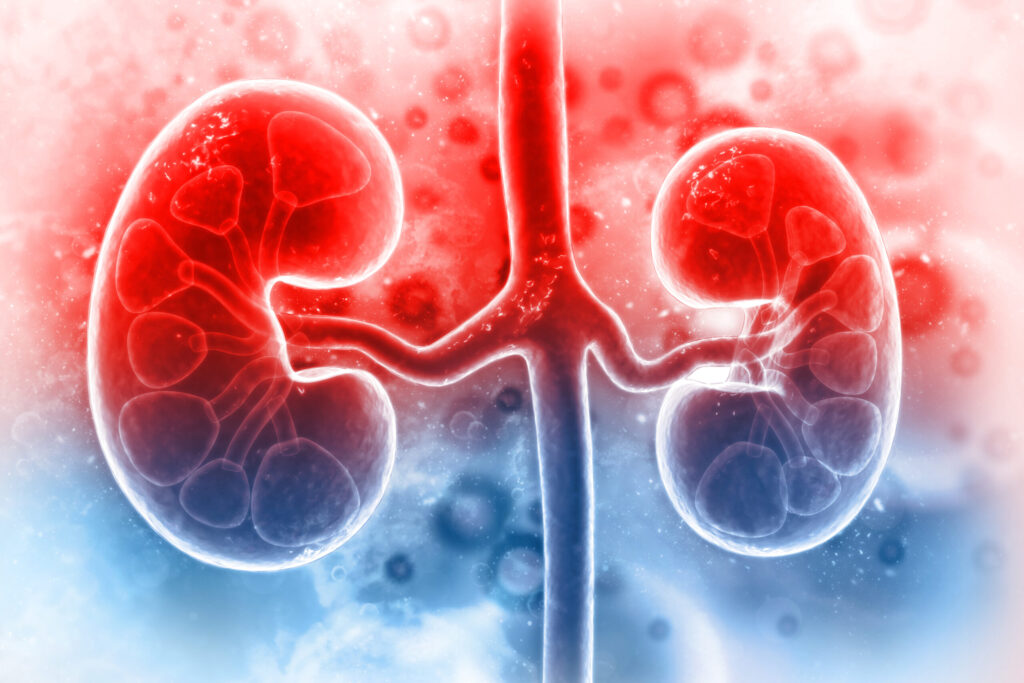
Dietary Habits and Urologic Cancer: Delve into the role of diet in urologic cancer risk, discussing the impact of specific foods, nutrients, and dietary patterns. Explore the benefits of a balanced diet rich in fruits, vegetables, and whole grains, while limiting processed foods and excessive red meat consumption. The Smoking Dilemma:  Unraveling the Connection to Bladder and Kidney Cancers Examine the well-established link between smoking and an increased risk of bladder and kidney cancers. Highlight the importance of smoking cessation as a pivotal step in reducing urologic cancer risk. Physical Activity and Urologic Health:  Moving Towards Prevention Explore the evidence supporting the role of regular physical activity in mitigating urologic cancer risk. Discuss how exercise contributes to weight management and overall health, potentially reducing the incidence of these cancers. Obesity and Urologic Cancers: Breaking Down the Weighty Connection Investigate the relationship between obesity and the heightened risk of urologic cancers, emphasizing the significance of weight management through a combination of healthy eating and regular exercise. Alcohol Consumption: A Delicate Balance for Urologic Health Discuss the impact of alcohol on urologic cancer risk, exploring the potential risks and benefits of moderate alcohol consumption. Provide recommendations for responsible drinking to minimize associated risks. Hydration Matters: The Link Between Fluid Intake and Urologic Cancer Prevention Highlight the importance of adequate hydration in reducing the risk of kidney and bladder cancers. Discuss how sufficient fluid intake helps flush out toxins and prevents the concentration of substances that can lead to stone formation. Occupational Hazards and Environmental Exposures: Minimizing Urologic Cancer Risks Address occupational exposures and environmental factors that may contribute to urologic cancer risk. Offer recommendations for minimizing exposure to carcinogens in the workplace and the surrounding environment. Regular Health Check-ups: Early Detection and Prevention Emphasize the role of routine health check-ups in the early detection of urologic cancers. Encourage regular screenings and prompt medical attention for symptoms, especially for individuals with risk factors. Conclusion: As our understanding of the link between lifestyle and urologic cancer risk deepens, making informed choices becomes a powerful tool in prevention. With valuable insights from Dr. Dhake, the best urologist in Pune and Pimpri Chinchwad, individuals can take personalized steps toward reducing their susceptibility to urologic cancers. Empowered with evidence and recommendations, this collaborative approach aims to enhance urologic health, emphasizing the significance of lifestyle and expert guidance for overall well-being. Remember, consulting with Dr. Dhake ensures not only proactive prevention but also personalized care, offering the best possible support for your urologic health journey.

Uncategorized

Preventing Recurrence: Strategies for Long-Term Kidney Stone Management

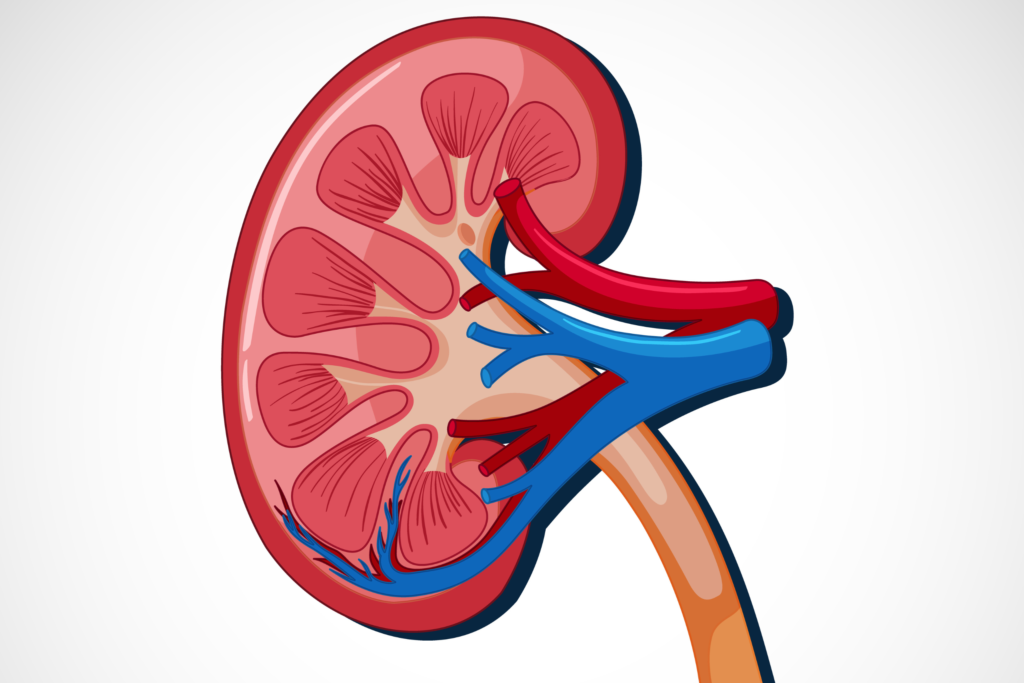
Kidney stones can be a painful and recurring issue for many individuals. Once you’ve experienced the discomfort of passing a kidney stone, the last thing you want is a repeat performance. In this blog post, we’ll explore effective strategies for preventing the recurrence of kidney stones, offering practical and evidence-based insights for long-term management. Understanding the Causes: To effectively prevent kidney stone recurrence, it’s crucial to understand the underlying causes. Most kidney stones are formed when certain substances in the urine, such as calcium, oxalate, and phosphorus, become highly concentrated. Genetics, diet, and inadequate hydration are often contributing factors. Stay Hydrated: The Golden Rule Adequate hydration is paramount in preventing the formation of kidney stones. Water dilutes the concentration of minerals in the urine, making it less likely for crystals to form. Aim to drink at least 8 glasses (64 ounces) of water per day, and more if you’re physically active. Mind Your Diet: Moderation is Key While certain foods are known to contribute to kidney stone formation, a balanced approach is essential. Limit high-oxalate foods like beets and chocolate, and moderate your intake of foods rich in animal proteins, sodium, and refined sugars. Opt for a diet that includes a variety of fruits, vegetables, and whole grains. Calcium Intake: Finding the Right Balance Contrary to common misconception, ensuring an appropriate intake of calcium can effectively lower the risk of developing kidney stones. Ensure you’re getting enough calcium from dietary sources, such as dairy products or fortified alternatives. If necessary, consult with a healthcare professional for personalized advice. Watch Your Sodium Intake High sodium levels in the diet can increase the excretion of calcium in the urine, contributing to stone formation. Be mindful of processed and restaurant foods, and try to limit your sodium intake by cooking at home using fresh ingredients. Moderate Protein Consumption Diets high in animal proteins can lead to higher levels of uric acid and calcium in the urine. Consider incorporating plant-based protein sources and lean meats in moderation to reduce the risk of stone recurrence. Lifestyle Modifications Regular exercise not only promotes overall health but also aids in preventing kidney stones. Engaging in regular physical activity contributes to weight maintenance and diminishes the likelihood of developing kidney stones. Additionally, quitting smoking and moderating alcohol intake contribute to overall kidney health. Regular Monitoring and Medical Follow-up If you’ve had kidney stones in the past, regular monitoring is essential. Follow up with your healthcare provider for urine and blood tests to detect any abnormalities early on. Based on the results, adjustments to your diet or medication may be recommended. Conclusion: Preventing the recurrence of kidney stones involves adopting a holistic approach, and with insights from Dr. Dhake, the best urologist in Pune and Pimpri Chinchwad, you can take proactive steps toward effective, personalized long-term kidney stone management. By understanding the causes and implementing these evidence-based strategies, you can minimize the chances of recurring kidney stones and ensure your kidney health. Always consult with Dr. Dhake for personalized advice based on your individual health needs.

Uncategorized

Coping Strategies for Women Dealing with Urinary Incontinence

Urinary incontinence is a common and sometimes challenging condition that affects many women. While it may bring about physical and emotional hurdles, there are empowering coping strategies that can significantly improve the quality of life for those experiencing urinary incontinence. In this blog post, we’ll explore practical and effective coping mechanisms to help women navigate the daily challenges associated with urinary incontinence, with valuable insights from Dr. Dhake, recognized as the best urologist in Pune and Pimpri Chinchwad. Open Communication: Breaking the Silence Encouraging open conversations about urinary incontinence with healthcare providers, family, and friends can alleviate the emotional burden. Sharing experiences and seeking support create a foundation for understanding and empathy. Educate Yourself: Knowledge is Empowerment Understanding the causes, types, and treatment options for urinary incontinence is crucial. Empower yourself with knowledge about the condition, available therapies, and lifestyle modifications that can make a positive impact. Pelvic Floor Exercises: Strengthening from Within Incorporate regular pelvic floor exercises, commonly known as Kegels, into your routine. These exercises strengthen the muscles that support bladder control, providing a proactive approach to managing urinary incontinence. Lifestyle Adjustments: Small Changes, Big Impact Making subtle lifestyle adjustments, such as managing fluid intake, scheduling regular bathroom breaks, and avoiding bladder irritants, can contribute to better control and minimize episodes of incontinence. Wear Appropriate Absorbent Products with Confidence Utilizing absorbent products designed for urinary incontinence can provide a sense of security. Advances in technology have led to discreet and effective options that allow women to maintain an active lifestyle without constant worry. Mind-Body Practices: Stress Reduction Techniques Stress can exacerbate urinary incontinence. Incorporate stress reduction techniques such as mindfulness, deep breathing exercises, or yoga into your daily routine to promote overall well-being and potentially reduce incontinence triggers. Clothing Choices: Fashion Meets Functionality Selecting clothing that accommodates the use of absorbent products and provides easy access to bathroom facilities can enhance comfort and confidence, allowing you to focus on your daily activities without distraction. Seek Professional Guidance: A Collaborative Approach Consulting with healthcare professionals, including urologists or pelvic floor physical therapists, can provide personalized insights and treatment plans. A collaborative approach ensures a tailored strategy for managing urinary incontinence effectively. Community Support: Building Connections Joining support groups or online communities dedicated to urinary incontinence can create a sense of belonging. Connecting with others who share similar experiences provides emotional support, encouragement, and valuable coping strategies. Maintain a Healthy Lifestyle: Overall Well-Being Matters Prioritize overall health by maintaining a balanced diet, staying physically active within your comfort zone, and getting adequate sleep. A healthy lifestyle contributes to general well-being, which can positively influence urinary health. Conclusion: Living with urinary incontinence requires resilience and a proactive mindset. By embracing these coping strategies, women can empower themselves to manage the challenges associated with urinary incontinence effectively. Dr. Dhake’s expertise adds a valuable dimension to the journey, offering personalized insights and support to help women regain confidence and embrace a fulfilling life despite the presence of urinary incontinence. Remember, consulting with Dr. Dhake not only ensures access to the best urologist in Pune and Pimpri Chinchwad but also signifies a compassionate ally in your quest for improved urologic health. With the right strategies and professional guidance, every woman can navigate this journey with strength, dignity, and a renewed sense of well-being.

Uncategorized

Understanding Prostate Cancer Stages and Grading: A Guide to Informed Treatment

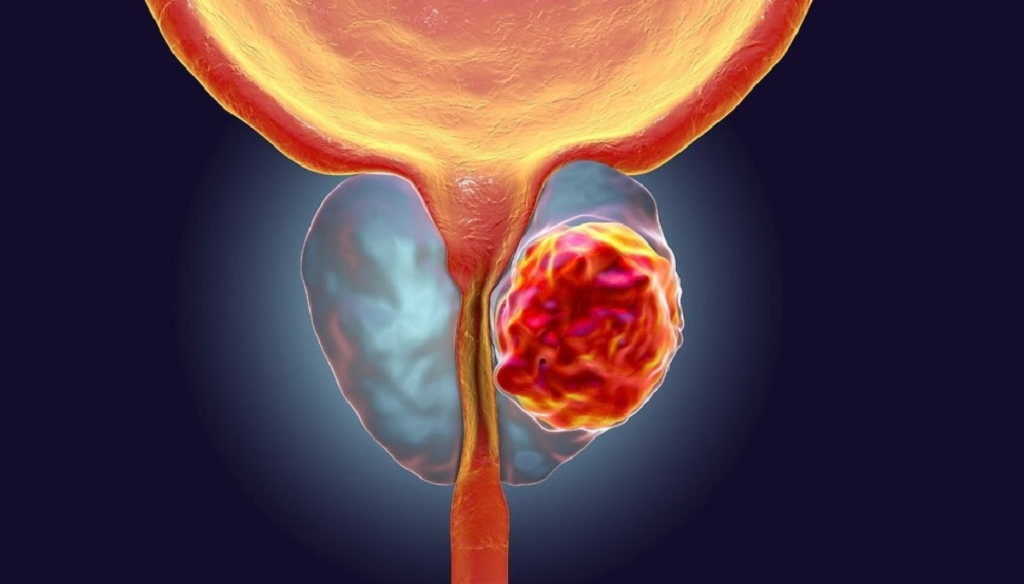
Prostate cancer is a significant health concern for men worldwide. It is crucial for individuals diagnosed with prostate cancer and their loved ones to comprehend the stages and grading of this condition. This knowledge is fundamental for making informed decisions about treatment options. In this guide, we will delve into the complexities of prostate cancer staging and grading, shedding light on the roadmap for effective treatment. For those seeking expert guidance and care in Wakad, Pune, Dr. Dhake, a distinguished urologist, offers specialized services at Dr. Dhake Urology Clinic. His expertise and commitment to patient well-being make him an invaluable resource in navigating the challenges of prostate cancer diagnosis and treatment. Prostate Cancer Staging: Staging is the process of determining the extent of cancer spread in the body. The system commonly used for prostate cancer staging is the TNM system, which stands for Tumor, Nodes, and Metastasis. Tumor (T):This element assesses the size and extent of the primary tumor. T1 indicates a small, localized tumor, whereas T4 suggests a tumor that has spread to nearby structures. Understanding the T stage is crucial for determining the appropriate treatment approach. Nodes (N):Nodal involvement is denoted by the N stage. It signifies whether cancer has spread to nearby lymph nodes. The absence of node involvement is denoted by N0, while N1 suggests the presence of cancer in the lymph nodes. Metastasis (M):Metastasis indicates whether cancer has spread to distant organs. M0 means no distant metastasis, while M1 signifies the presence of metastasis. The combination of T, N, and M stages results in an overall stage classification ranging from I to IV, with higher stages indicating more advanced cancer.Prostate Cancer Grading: Grading is the process of evaluating the aggressiveness of cancer cells. The Gleason score is commonly used for prostate cancer grading and ranges from 2 to 10.Gleason Grading:The Gleason score is based on the microscopic appearance of cancer cells in the prostate tissue biopsy. A lower Gleason score (2-6) indicates well-differentiated, less aggressive cancer cells, while a higher score (7-10) suggests poorly differentiated, more aggressive cells. Understanding the Gleason score is crucial for tailoring treatment plans to the specific characteristics of the cancer. Treatment Roadmap:The treatment approach for prostate cancer depends on the combined assessment of staging and grading. Active Surveillance:For low-grade, early-stage prostate cancer, active surveillance may be an option. This involves close monitoring of the cancer with regular check-ups and imaging, with the option to initiate treatment if the cancer progresses. Surgery:Prostatectomy, or surgical removal of the prostate, may be recommended for localized cancer. This can be a curative option, especially for tumors confined to the prostate. Radiation Therapy:Radiation therapy, using high-energy rays to target and kill cancer cells, is a common treatment for localized and locally advanced prostate cancer. It can be employed either independently or in conjunction with surgical intervention.  Hormone Therapy:Hormone therapy aims to reduce the levels of male hormones (androgens) that fuel the growth of prostate cancer cells. It is often employed in advanced stages or when surgery and radiation are not curative. Conclusion: In conclusion, gaining insights into the stages and grading of prostate cancer is pivotal for individuals facing this diagnosis. By comprehending the intricacies of cancer progression and aggressiveness, patients and their healthcare teams can formulate personalized treatment plans that maximize effectiveness while minimizing side effects. This knowledge empowers individuals to make informed decisions on their journey towards managing and treating prostate cancer. For expert guidance and care, individuals can consider consulting with Dr. Dhake, a renowned urologist in Wakad, Pune, at Dr. Dhake Urology Clinic. Dr. Dhake’s expertise and personalized approach contribute to a comprehensive and effective strategy for prostate cancer management.

Uncategorized

Preparation and Recovery Tips for Laparoscopic Urological Procedures

Undergoing a laparoscopic urological procedure can be a significant milestone in your healthcare journey. Whether you’re gearing up for a prostatectomy, nephrectomy, or another urological intervention, adequate preparation and thoughtful recovery are crucial for a smoother experience. In this guide, we’ll explore practical tips to help you prepare and recover from laparoscopic urological procedures, ensuring a humanized and personalized approach to your well-being with insights from Dr. Dhake, the best urologist in Wakad, Pune, and his esteemed clinic, Dr. Dhake Urology Clinic. Preparation Tips:Communication is Key:Before the procedure, ensure open communication with your healthcare team. Ask questions, share concerns, and discuss any pre-existing conditions. This will help both you and your medical team be on the same page and tailor the procedure to your specific needs.Understand the Procedure:Take the time to understand the details of your laparoscopic urological procedure. Knowledge about what to expect can alleviate anxiety and empower you to make informed decisions about your care.Maintain a Healthy Lifestyle:Leading up to the procedure, focus on maintaining a balanced and nutritious diet. Stay hydrated, get enough rest, and engage in light physical activity to ensure your body is in optimal condition for surgery.Follow Pre-Operative Instructions:Your healthcare team will provide specific pre-operative instructions. It’s crucial to adhere to these guidelines, which may include fasting requirements, medication adjustments, and hygiene protocols.Create a Support System:Surround yourself with a support system of friends and family who can offer emotional support and practical assistance during your recovery. Having a reliable support network can make a significant difference in your overall well-being. Recovery Tips:Take it Slow:Once the laparoscopic urological procedure is complete, resist the urge to rush back into your normal routine. Allow yourself time to rest and recover, gradually easing back into daily activities as recommended by your healthcare team. Pain Management:Follow your prescribed pain management plan diligently. Stay ahead of the pain by taking medications as directed, and communicate any concerns or side effects to your healthcare provider promptly. Follow Post-Operative Care Instructions:Your medical team will provide specific post-operative care instructions. These may include wound care, activity restrictions, and guidelines for resuming daily activities. Following these instructions is essential for a successful recovery.Stay Hydrated and Nourished:Hydration and proper nutrition play a vital role in the recovery process. Consume a balanced diet rich in nutrients to support healing, and stay well-hydrated to aid in flushing out toxins from your system.Monitor for Complications:Keep an eye out for any signs of complications, such as infection, excessive bleeding, or unusual pain. If you observe anything worrisome, reach out to your healthcare provider without delay. Conclusion: Undergoing a laparoscopic urological procedure with the guidance of Dr. Dhake, the best urologist in Wakad, Pune, requires a holistic approach to preparation and recovery. By fostering open communication, prioritizing physical and emotional well-being, and following Dr. Dhake’s guidance, you can navigate this healthcare journey with confidence. Remember, you are not aloneDr. Dhake and his healthcare team at Dr. Dhake Urology Clinic are there to support you every step of the way.

Uncategorized

Causes and Risk Factors of Female Urinary Incontinence

Female urinary incontinence is a common and often misunderstood condition that affects women of all ages. In this blog post, we will delve into the various causes and risk factors associated with urinary incontinence to shed light on this prevalent issue. For personalized guidance and expert care, consider consulting with Dr. Dhake, the best urologist in Wakad, Pune. Dr. Dhake’s expertise and commitment to urological health can provide invaluable support for those experiencing symptoms of urinary incontinence. Visit Dr. Dhake Urology Clinic for comprehensive care and a tailored approach to address your specific needs. Causes of Female Urinary Incontinence:1. Pelvic Floor Weakness:One of the leading causes of urinary incontinence in women is weakened pelvic floor muscles. These muscles support the bladder, and when they are not adequately toned, it can result in leakage, especially during activities that exert pressure on the pelvic area, such as coughing or sneezing. 2. Childbirth:The miracle of childbirth can bring about significant changes in a woman’s body, including potential damage to the pelvic floor muscles and nerves. Vaginal deliveries, in particular, can contribute to stress incontinence due to the stretching and trauma experienced during the birthing process. 3. Hormonal Changes:Fluctuations in hormones, especially during menopause, can play a role in the development of urinary incontinence. Reduced estrogen levels can impact the strength and elasticity of the tissues in the urethra and bladder, leading to increased susceptibility to leakage.4. Neurological Conditions:Certain neurological disorders, such as multiple sclerosis or stroke, can disrupt the signals between the brain and the bladder. This miscommunication may result in an overactive bladder or an inability to control urinary function.5. Obesity:Carrying excess weight can put additional pressure on the pelvic organs, leading to stress incontinence. Additionally, obesity is often associated with other conditions, such as diabetes, which can contribute to urinary incontinence. Risk Factors for Female Urinary Incontinence:1. Age:Aging is a natural risk factor for urinary incontinence. As women get older, the muscles in the pelvic region may weaken, and the likelihood of experiencing urinary incontinence increases. 2. Family History:There is evidence to suggest that genetics may play a role in the development of urinary incontinence. If a woman has a familial background with this condition, her likelihood of being at a higher risk increases.  3. Smoking:Smoking has been linked to an increased risk of urinary incontinence. The chemicals in cigarettes can irritate the bladder and contribute to coughing, which, in turn, can exacerbate stress incontinence.4. Chronic constipation:Straining during bowel movements due to chronic constipation can weaken the pelvic floor muscles over time, increasing the risk of urinary incontinence. 5. Previous Pelvic Surgeries:Women who have undergone pelvic surgeries, such as hysterectomy, may be at a higher risk of developing urinary incontinence. These procedures can alter the anatomy and support structures of the pelvic region. Conclusion: Understanding the causes and risk factors of female urinary incontinence is crucial for both prevention and effective management. By addressing these factors and seeking appropriate guidance from healthcare professionals, women can take proactive steps toward maintaining bladder health and overall well-being. For personalized guidance and expert care, consider consulting with a specialist like Dr. Dhake, the best urologist in Wakad, Pune. Dr. Dhake’s expertise and commitment to urological health can provide invaluable support for those experiencing symptoms of urinary incontinence. Visit Dr. Dhake Urology Clinic for comprehensive care and a tailored approach to address your specific needs. If you or someone you know is experiencing symptoms of urinary incontinence, consulting with Dr. Dhake is the first step toward finding personalized solutions and achieving optimal bladder health.

Uncategorized

Lifestyle Changes for Overactive Bladder: Diet, Exercise, and Bladder Training

Millions of individuals across the world suffer from a medical ailment known as overactive bladder (OAB). It might be difficult to suppress the sudden, frequent need to urinate that characterizes it. Incontinence, shame, and a lower quality of life can result from this. While there are several medicinal options for OAB, altering one’s way of life can also assist manage symptoms and enhance bladder control. We’ll talk about some practical lifestyle modifications for OAB in this blog, such as nutrition, exercise, and bladder training. Changes to the diet for an overactive bladder: Changing your diet might help you control the symptoms of OAB. Certain meals and beverages might aggravate OAB symptoms by irritating the bladder. These consist of: On the other hand, some meals and beverages can assist in enhancing bladder control and easing OAB symptoms. These consist of: Overactive Bladder Exercises: Another useful strategy for treating OAB symptoms is exercise. The pelvic floor muscles, which support the bladder and urethra, can be strengthened with regular exercise. These muscles can be strengthened to aid with bladder control and lower the chance of incontinence. Here are some activities to aid with OAB symptom management: Kegel exercises include tightening and loosening the muscles of the pelvic floor. This may aid in enhancing bladder control and lowering the chance of incontinence. To do a Kegel, tighten the muscles that control urination for 10 seconds, then let them rest for the next 10. Ten to fifteen times each, three times daily, repeat this workout. Squats: Squats can strengthen the muscles in the pelvic floor and enhance bladder control. Standing with your feet shoulder-width apart, steadily lower your body into a sitting posture to complete a squat. Hold for a few while, then gently push yourself back up to standing. Ten to fifteen times each, three times daily, repeat this workout. Yoga: Yoga can help with bladder control issues and lower incontinence risks. The bridge posture and the cat-cow stance are two yoga poses that can help strengthen the pelvic floor muscles and get better bladder control. Stress, which can exacerbate the symptoms of OAB, can be reduced with regular yoga practice. Training the Bladder for an Overactive Bladder: A behavioral therapy called bladder training gradually lengthens the intervals between urinations. By doing so, you can retrain your bladder to store more urine and have fewer cravings. To train your bladder, follow these steps: It’s crucial to remember that it may take a few weeks after bladder training before you see a noticeable change. Before beginning bladder training, it’s also advisable to speak with a healthcare professional, especially if you have any underlying medical ailments or worries. Finally, it’s critical to keep in mind that Overactive Bladder is a medical issue that can significantly lower a person’s quality of life. While dietary adjustments, regular exercise, and bladder training might help manage OAB symptoms, it’s still vital to speak with a healthcare professional for an accurate diagnosis and treatment choices. Dr. Dhake, a physician with expertise in urology and urinary diseases, can create customized treatment programs depending on each patient’s needs and medical background. Treatment options for OAB may also include medication, nerve stimulation, or, in rare circumstances, surgery in addition to modifying one’s lifestyle. When managing OAB symptoms, it’s crucial to put your overall health first and seek qualified medical guidance. People with OAB can significantly improve their quality of life and bladder control with the correct treatment strategy. Conclusion: Under the guidance of Dr. Dhake, renowned as the best urologist in Wakad, Pune, individuals coping with overactive bladder (OAB) find comprehensive support at Dr. Dhake Urology Clinic. Dr. Dhake’s personalized approach integrates lifestyle adjustments and, when needed, medical interventions, emphasizing a commitment to improving the quality of life for those affected by OAB. His compassionate understanding and holistic strategies, encompassing dietary changes, exercise, and bladder training, empower patients on their journey to better bladder control and overall well-being.

Uncategorized

Living with Urinary Cancer: Coping Strategies and Support

A diagnosis of bladder cancer can be a profoundly life-altering, upsetting, and traumatic experience. It can be difficult to deal with the diagnosis and manage the symptoms, but there are resources and assistance available to assist. We’ll go over various coping mechanisms and resources for living with urinary cancer in this blog. Coping Techniques Being told that you have urinary cancer can be frightening and upsetting. You may, however, take action to control your illness and deal with the diagnosis. We’ll talk about several coping mechanisms and resources in this post that can make living with urinary cancer more bearable. Learn for Yourself: Information Is Power Being informed of the condition is one of the most crucial things you can do if you have urinary cancer. By doing so, you’ll be better able to decide on your course of therapy and experience a greater sense of control over your circumstances. Spend some time learning about the signs, different forms of urinary cancer, and potential therapies. To obtain knowledge, consult your doctor, study books, and look up reliable web sources. You can better anticipate what to expect and make decisions regarding your care if you are educated. Self-care is crucial, so take care of yourself. It can be physically and emotionally taxing to have bladder cancer. To properly manage your disease, self-care must be given priority. Your general health may be enhanced by eating a balanced diet, getting adequate rest, and exercising frequently. These lifestyle modifications can also lessen the negative effects of therapy and help you have a better quality of life while managing your cancer symptoms. Speak with your physician; your healthcare team is here to help. When dealing with bladder cancer, your healthcare team is a crucial support system. They can provide you with advice and assistance to help you take care of your condition. It’s critical to be upfront with your doctor, to express your worries and emotions, and to ask questions. Your medical team can support you in navigating your treatment choices, controlling your symptoms, and adjusting to your diagnosis. Seek AssistanceYou Don’t Have to Face This Alone Having a support network is crucial since coping with bladder cancer can be difficult. In addition to the emotional support that friends and family may give, support groups and online communities can also provide extra resources and a feeling of community. These groups might provide you the chance to get in touch with people who are going through comparable things, to express your thoughts, and to get emotional support. Counselling and therapy might be helpful in addition to support groups for overcoming the emotional difficulties associated with bladder cancer. You can handle anxiety, sadness, and other emotional difficulties that could appear during your trip by speaking to a qualified expert. Support Options: Support Groups: Support groups offer people with urinary cancer a secure and encouraging atmosphere in which to express their thoughts and feelings. These groups may provide a sense of belonging, emotional support, and useful knowledge. Online Communities: People with urinary cancer can connect with others going through comparable situations in a variety of online forums and communities. People may share their experiences, ask questions, and get assistance in these groups. Therapy and counselling: Urinary cancer can have a negative impact on a person’s mental health. Counseling and counseling can support people in coping with the emotional effects of their diagnosis and provide them with the tools they need to handle the difficulties of having bladder cancer. Advanced urinary cancer patients may benefit from hospice and palliative care, which may offer comfort and support to both the patient and their loved ones. These treatments can boost the quality of life and aid in symptom management while also offering emotional support. Conclusion: Dr. Rajesh Dhake is an experienced urologist who specializes in the treatment of urinary cancer. He provides compassionate and comprehensive care to his patients, taking into consideration their individual needs and circumstances. He understands the emotional toll that a urinary cancer diagnosis can take on individuals and their families and provides support and guidance throughout the treatment process. In conclusion, living with urinary cancer can be challenging, but with the right strategies and support, individuals can manage their symptoms and improve their quality of life. It is important to educate yourself, take care of yourself, communicate with your healthcare team, and seek support from friends, family, and support groups. Additionally, seeking the care of an experienced urologist like Dr. Rajesh Dhake can provide peace of mind and ensure the best possible outcome.

Uncategorized

The Benefits of Laser Treatment for Kidney Stones

For many people, having kidney stones may be a painful and upsetting experience. In the past, kidney stone treatments were intrusive and frequently necessitated protracted hospital stays. However, the development of laser therapy has made it possible to treat kidney stones using hardly intrusive techniques that provide prompt pain and discomfort alleviation. In this post, we’ll talk about the advantages of kidney stone laser therapy and how it’s changed how this widespread ailment is treated. How can kidney stones occur? In the kidneys or urinary system, hard, crystalline crystals known as kidney stones can develop. They develop when certain minerals and salts in urine build up and form tiny crystals, which have the potential to enlarge over time. When they pass through the urinary tract, kidney stones can be quite painful. If they get too big or become obstructive, they may need to be treated. Kidney stones can cause excruciating back or side discomfort, blood in the urine, and trouble urinating. Kidney Stones: Traditional Treatment Options In the past, shock wave lithotripsy or open surgery were often used as treatments for kidney stones. These surgeries may be uncomfortable, necessitate protracted hospital stays, and patients would frequently need to miss time from work or school while recovering. Traditional medical procedures were often ineffective, leaving patients in need of additional operations or treatments. The Advantages of Laser Treatment for Kidney Stones With the use of a laser, kidney stones can be broken up into smaller fragments that can be moved more easily via the urinary tract during a minimally invasive process known as laser therapy. Compared to conventional treatment options, laser therapy provides several benefits, such as: Rapid Recovery: Kidney stone laser therapy is a minimally invasive technique that does not call for an overnight hospital stay. After the operation, patients may often resume their regular activities within a few days. Reduced Pain and Discomfort: Because laser treatment for kidney stones does not involve making major incisions or using shock waves, it is less unpleasant than conventional treatment procedures. After the surgery, patients could feel some discomfort, although this is typically treatable with painkillers. High Success Rates: Up to 90% of patients who have laser therapy for kidney stones pass the stones within a few days following the procedure, making it an effective therapeutic option. Patients might not need additional procedures or treatments, which can save time and money. Laser treatment for kidney stones is a minimally invasive process that doesn’t involve shock wave therapy or major incisions. As a result, there is a lower chance of problems and the treatment can be done without an inpatient stay. Make it more specific. Conclusion: In conclusion, laser treatment for kidney stones offers numerous advantages over traditional treatment methods. Patients can expect a quick recovery, reduced pain and discomfort, and high success rates with this minimally invasive procedure. Dr. Rajesh Dhake, a skilled and experienced urologist, can provide expert guidance and care throughout the entire treatment process, ensuring the best possible outcome for his patients. With the use of advanced technology and the expertise of medical professionals like Dr. Dhake, kidney stone treatment has become significantly less invasive and more effective. No longer do patients have to endure lengthy hospital stays or suffer through painful and uncomfortable procedures. Instead, they can rely on the benefits of laser treatment and the care of experienced professionals like Dr. Dhake to help them overcome kidney stones and reclaim their quality of life. Choose the convenience and effectiveness of laser treatment, coupled with the assurance of a caring and experienced urologist like Dr. Rajesh Dhake. If you reside in Pimpri Chinchwad, Wakad, Thergaon, or Pune, entrust your kidney stone treatment to the best doctor in the area. Contact Dr. Dhake’s clinic today to schedule a consultation and take the first step towards a swift and successful recovery.

Uncategorized

The Role of Hormones in Urology Understand Endocrine Influences

Urology is a specialized medical field that deals with the urinary system and male reproductive system. While it primarily focuses on the diagnosis and treatment of conditions related to these systems, it’s essential to recognize the significant role that hormones play in urology. Hormones are powerful chemical messengers that regulate various bodily functions, and their influence on urological health cannot be understated. In this blog post, we will delve into the essential role of hormones in urology, how they impact urological conditions, and why understanding these endocrine influences is crucial for both patients and healthcare providers. The Endocrine System and Urology The endocrine system consists of glands that produce hormones, which are released into the bloodstream to regulate various bodily functions. In urology, several hormones play critical roles in maintaining the health and function of the urinary and reproductive systems: Endocrine Influences on Urological Conditions Understanding the role of hormones in urology is essential because hormonal imbalances can contribute to a wide range of urological conditions. Here are a few examples: Conclusion: In conclusion, the role of hormones in urology is undeniably significant. Hormones are the orchestrators of many vital functions within the urinary and reproductive systems, and any imbalance can lead to a range of urological conditions. Understanding the intricate relationship between hormones and urology is crucial for patients and healthcare providers alike. It allows for accurate diagnosis, effective treatment, and improved quality of life for those dealing with urological issues. Dr. Rajesh Dhake, a renowned urologist and endocrinologist, has been at the forefront of research and patient care in this field. His expertise and dedication to both understanding and addressing the complex hormonal influences on urological health have benefited countless individuals. Dr. Dhake’s contributions have not only advanced medical knowledge but have also provided patients with hope and tailored treatment options. As we continue to explore the intricate connections between hormones and urology, we can anticipate further advancements in the diagnosis and treatment of urological conditions. With experts like Dr. Rajesh Dhake leading the way, we can look forward to a future where individuals facing urological challenges receive the most precise and effective care possible, ultimately improving their overall well-being and quality of life.

Scroll to Top