Uncategorized

Uncategorized

The Impact of Smoking on Urological Health: Breaking the Habit

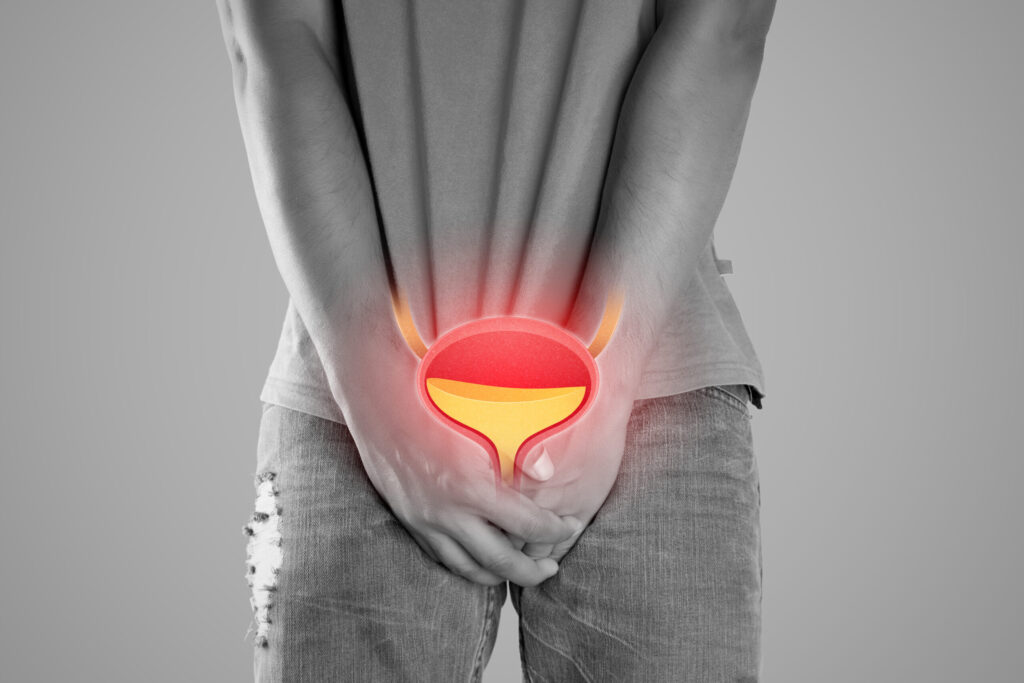
Smoking is a well-known public health hazard, with numerous adverse effects on various organ systems. While its association with lung cancer and respiratory problems is widely recognized, the detrimental impact of smoking on urological health is often underestimated. In this blog, we will delve into the lesser-known consequences of smoking on urological health and discuss the importance of breaking the smoking habit for the sake of your urinary and reproductive systems. The Bladder: Smoking and Bladder Cancer One of the most significant concerns related to smoking and urological health is the increased risk of bladder cancer. Smoking is the single largest preventable risk factor for bladder cancer, responsible for approximately 50% of all cases. The harmful chemicals in cigarette smoke, like arsenic and benzene, are absorbed into the bloodstream and eventually find their way to the bladder, where they can damage the bladder lining and increase the likelihood of cancerous growth. Quitting smoking significantly reduces the risk of developing bladder cancer. Former smokers have a lower risk than current smokers, and the risk continues to decline the longer one stays smoke-free. This underscores the importance of quitting as soon as possible. Erectile Dysfunction and Smoking Smoking also affects male sexual health. Studies have shown a clear link between smoking and erectile dysfunction (ED). Nicotine and other toxins in cigarette smoke constrict blood vessels, reducing blood flow to the penis, which is essential for achieving and maintaining an erection. Over time, smoking can damage the blood vessels, making ED more severe and difficult to treat. Fortunately, the impact of smoking on erectile function is reversible. Quitting smoking can lead to significant improvements in sexual performance, as the blood vessels begin to heal and function returns to normal. Female Urological Health While many of the studies on smoking and urological health have focused on men, women are not immune to the harmful effects of smoking on their urinary and reproductive systems. Smoking during pregnancy can lead to low birth weight, premature birth, and other complications, which can affect a child’s long-term health. Furthermore, women who smoke are more likely to experience urinary incontinence, a condition that can greatly affect their quality of life. The coughing associated with smoking can weaken the pelvic floor muscles, contributing to incontinence issues. Secondhand Smoke and Urological Health It’s not just smokers who are at risk. Exposure to secondhand smoke can also harm urological health. Children exposed to secondhand smoke are more likely to experience urinary tract infections, and adults may suffer from worsening preexisting urological conditions. Therefore, both smokers and those around them must be aware of the dangers of secondhand smoke. Conclusion: In conclusion, the impact of smoking on urological health cannot be understated. Smoking not only increases the risk of bladder cancer, erectile dysfunction, and urinary incontinence but also poses significant risks to pregnant women and those exposed to secondhand smoke. The evidence is clear: quitting smoking is the key to preserving and improving urological health. It’s essential to recognize that quitting smoking is a challenging journey, but the benefits are immense. Seeking support from healthcare professionals, smoking cessation programs, and support networks can make a significant difference in successfully breaking the smoking habit. Your urinary and reproductive systems will undoubtedly benefit from this positive change. Remember, Dr. Dhake and other healthcare professionals are here to guide and support you on your path to better urological health. Take the first step towards a smoke-free life, and you’ll be taking a giant leap towards a healthier future. Your body, and those who care about you, will thank you for it.
Uncategorized

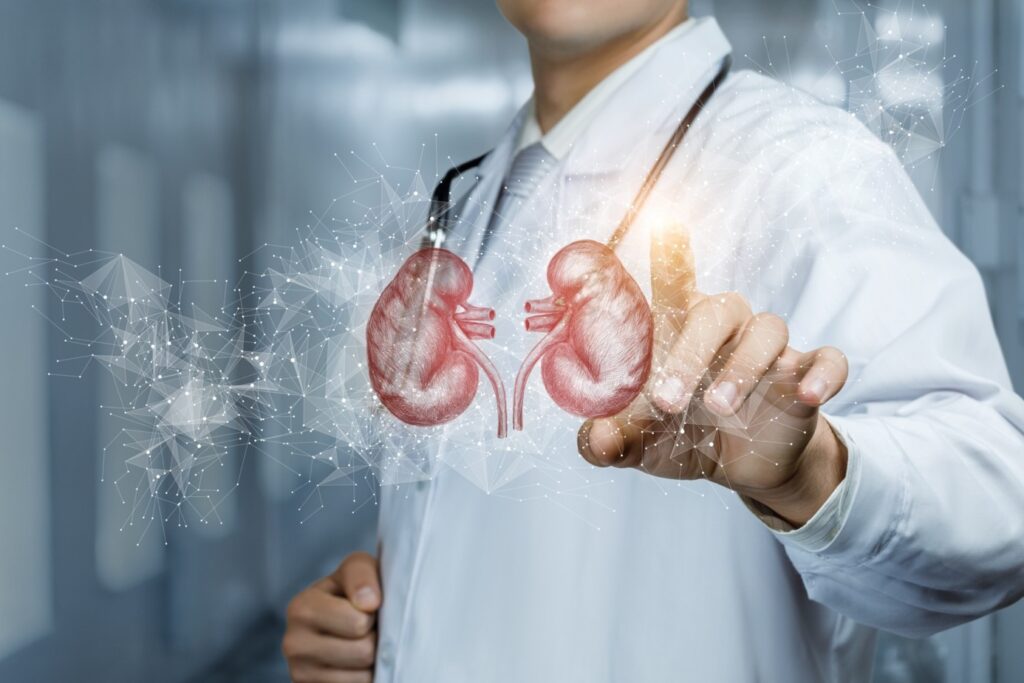
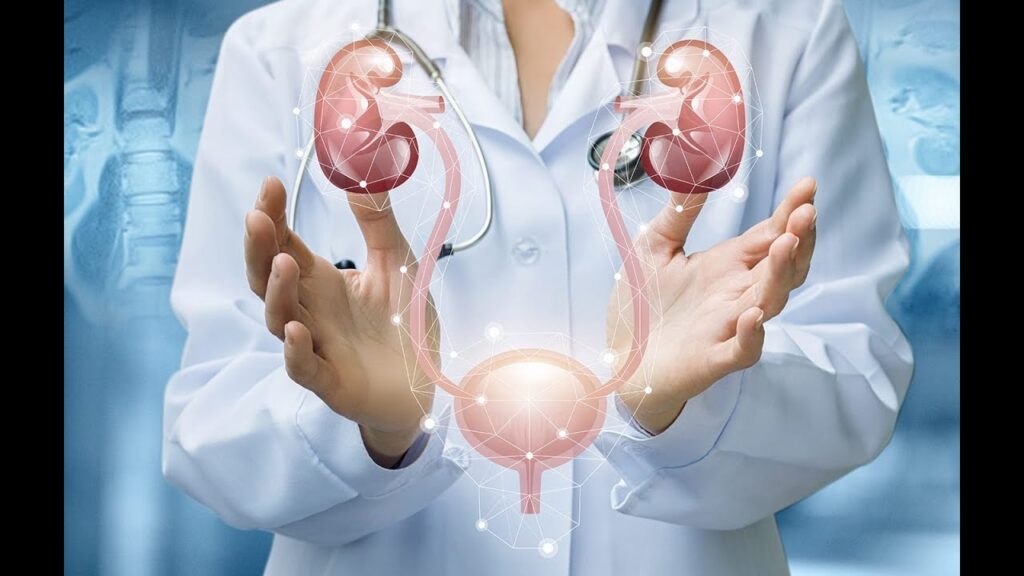
How to Keep Your Kidneys Healthy Lifestyle Tips for Better Renal Health?

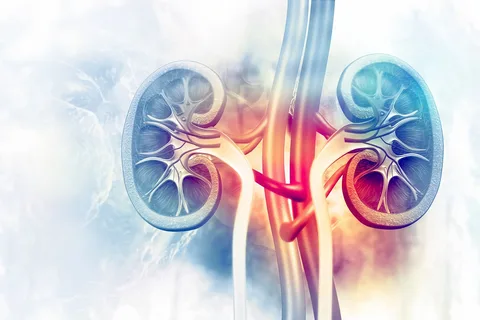
Welcome to a valuable resource on maintaining renal health. Your kidneys play a vital role in filtering waste and excess fluids from your body, so it’s crucial to keep them in top condition. In this article, we’ll delve into essential lifestyle tips to ensure your kidneys stay healthy and functional. The Importance of Kidney Health Our kidneys are unsung heroes, tirelessly working to remove toxins from our bodies. To keep your kidneys functioning optimally, it’s essential to adopt a few simple lifestyle changes. Incorporating a Balanced Diet Eating well is the cornerstone of kidney health. Consume a diet rich in fruits, vegetables, whole grains, and lean proteins. This ensures a proper balance of nutrients while reducing the risk of kidney stones and other complications. Stay Hydrated Adequate hydration is crucial for maintaining kidney health. Drinking enough water helps flush out waste and toxins. Aim for at least eight glasses of water per day. Monitor Blood Pressure High blood pressure can damage your kidneys over time. Regularly check your blood pressure and, if necessary, consult your healthcare provider for proper management. Reduce Sodium Intake Excessive sodium can raise blood pressure and harm your kidneys. Limit your salt intake and opt for low-sodium alternatives in your meals. Avoid Overuse of Pain Medication Non-prescription pain relievers, such as ibuprofen and aspirin, can harm your kidneys when used excessively. Consult with a healthcare professional for alternatives. Quit Smoking Smoking can lead to kidney damage and exacerbate existing kidney problems. Quitting smoking is one of the best decisions you can make for your kidney health. Maintain a Healthy Weight Being overweight can strain your kidneys. Focus on achieving and maintaining a healthy weight through a balanced diet and regular physical activity. Exercise Regularly Physical activity helps reduce the risk of chronic kidney disease. Aim for at least 150 minutes of moderate-intensity exercise per week. Manage Diabetes Diabetes is a leading cause of kidney disease. If you have diabetes, work closely with your healthcare team to manage your blood sugar levels. Limit Alcohol Consumption Excessive alcohol intake can stress your kidneys. Enjoy alcohol in moderation, and always be mindful of your consumption. Control Cholesterol Levels High cholesterol can lead to kidney damage. Implement a heart-healthy diet and, if necessary, take medications as prescribed by your doctor. Manage Stress Chronic stress can affect your overall health, including your kidneys. Practice stress-reduction techniques such as meditation, yoga, or deep breathing exercises. Avoid Excessive Caffeine High caffeine consumption can lead to high blood pressure. Be mindful of your caffeine intake, and opt for decaffeinated options when possible. Get Sufficient Sleep Adequate sleep is essential for overall health. Aim for 7-8 hours of quality sleep each night to support your kidneys. Kidney-Friendly Foods Incorporate kidney-friendly foods like berries, fish, and olive oil into your diet. These foods provide essential nutrients and support kidney function. FAQs Can kidney health be improved through lifestyle changes? Yes, adopting a healthy lifestyle can improve kidney health and prevent kidney-related issues. What foods should I include in my kidney-friendly diet? Include berries, fish, and olive oil in your diet, as these are beneficial for kidney health. How does high blood pressure affect the kidneys? High blood pressure can damage the blood vessels in the kidneys, reducing their ability to function properly. Is it necessary to consult a doctor before making lifestyle changes for kidney health? It’s advisable to consult a healthcare professional, especially if you have pre-existing health conditions. Why is quitting smoking important for kidney health? Smoking can damage blood vessels and decrease blood flow to the kidneys, leading to kidney problems. Can stress negatively impact kidney health? Yes, chronic stress can affect overall health, including kidney function. Reducing stress is beneficial for kidney health. Conclusion: In conclusion, maintaining healthy kidneys is of paramount importance for your overall well-being. Your kidneys tirelessly perform the critical function of filtering waste and toxins from your body. To safeguard their health and functionality, it’s essential to embrace a series of lifestyle changes. These changes encompass adopting a balanced diet, staying well-hydrated, monitoring and managing blood pressure, limiting sodium intake, avoiding excessive pain medication use, quitting smoking, maintaining a healthy weight, engaging in regular exercise, managing diabetes, controlling alcohol consumption, regulating cholesterol levels, managing stress, moderating caffeine consumption, and ensuring sufficient sleep. Incorporating kidney-friendly foods like berries, fish, and olive oil into your diet can also offer valuable support to your kidneys. Remember that while lifestyle changes can enhance kidney health, it’s prudent to consult with a healthcare professional, especially if you have pre-existing health conditions. These measures, in conjunction with guidance from experts like Dr. Dhake, will help ensure your kidneys function optimally, allowing you to enjoy a healthier and more fulfilling life. Your kidneys play a crucial role in your overall health, and their care should not be taken lightly.

Uncategorized

Traveling with Urological Conditions Tips for a Smooth Journey

Traveling can be an exciting and enriching experience, but it can also pose unique challenges for individuals with urological conditions. Whether you have urinary incontinence, kidney stones, or other urological concerns, careful planning and preparation can help ensure a smooth and enjoyable journey Consult Your Urologist: Before embarking on any trip, it’s essential to consult with your urologist. Discuss your travel plans, and any specific concerns related to your condition, and ask for recommendations. They can provide valuable insights, adjust your treatment plan if necessary, and prescribe any required medications or supplies. Conclusion: In conclusion, traveling with urological conditions is entirely feasible and can be a rewarding experience with the right preparation and mindset. Your journey should not be hindered by your condition but rather enhanced by the knowledge that you’ve taken steps to ensure your comfort and well-being while away from home. Remember, always consult your urologist, like the dedicated Dr. Dhake, who can provide you with personalized advice and recommendations tailored to your specific needs. With their guidance and the tips mentioned in this blog, you can embark on your adventures with confidence. So, don’t let urological concerns hold you back from exploring new places, meeting new people, and creating lasting memories. Travel smart, stay prepared, and enjoy every moment of your journey. Safe travels!

Uncategorized

Preventing UTIs: Tips for a Healthy Urinary Tract

Urinary Tract Infections (UTIs) are a common ailment that affects millions of people each year, with women being more susceptible than men. While UTIs are typically not life-threatening, they can be extremely uncomfortable and even lead to more serious complications if left untreated. The good news is that there are several steps you can take to prevent UTIs and maintain a healthy urinary tract. In this blog, we’ll explore some effective tips to help you keep your urinary tract in top shape. Stay Hydrated One of the simplest and most effective ways to maintain a healthy urinary tract is to stay hydrated. Drinking plenty of water helps flush out bacteria and toxins from your urinary system, reducing the risk of infection. Aim to drink at least 8-10 glasses of water a day, and more if you’re physically active or in hot weather. Proper hygiene is crucial for preventing UTIs. Always wipe from front to back after using the toilet to prevent bacteria from the anal area from spreading to the urethra. Additionally, be sure to clean your genital area with mild soap and water regularly. Holding in urine for extended periods can allow bacteria to multiply in your urinary tract. Make it a habit to urinate when you feel the urge to go and don’t resist the urge. Sexual activity can introduce bacteria into the urinary tract. To reduce this risk, make sure to urinate before and after sexual intercourse. This helps flush out any potential contaminants. Some forms of birth control, such as diaphragms and spermicides, can increase the risk of UTIs. If you’re prone to UTIs, discuss alternative birth control options with your healthcare provider. Cotton underwear allows air to circulate and keeps your genital area dry, creating an inhospitable environment for bacteria. Avoid tight-fitting, synthetic underwear that can trap moisture. Avoid using harsh feminine hygiene products, douches, or scented sprays in the genital area. These products can disrupt the natural balance of bacteria and increase your susceptibility to UTIs. Some studies suggest that cranberry juice or supplements may help prevent UTIs by preventing bacteria from adhering to the urinary tract walls. While not a guaranteed solution, incorporating cranberry products into your diet might be beneficial. Eating a balanced diet rich in fruits, vegetables, and whole grains can boost your immune system and support overall health, including your urinary tract. Lastly, don’t underestimate the importance of regular check-ups with your healthcare provider. They can identify any underlying conditions or risk factors that may predispose you to UTIs and offer personalized advice on prevention. Conclusion: In conclusion, maintaining a healthy urinary tract is vital for your overall well-being, and the preventive measures discussed in this blog can go a long way in reducing the risk of UTIs. By following these simple yet effective tips, you can take charge of your urinary health and enjoy a life free from the discomfort and inconvenience of urinary tract infections. It’s important to note that if you ever experience frequent UTIs or severe symptoms, it’s essential to seek medical attention promptly. Your healthcare provider, such as Dr. Dhake, can offer expert guidance, conduct necessary tests, and provide personalized advice to address any underlying conditions or risk factors that may predispose you to UTIs. Regular check-ups and open communication with your healthcare provider are crucial steps in maintaining a healthy urinary tract and overall well-being. Remember, prevention is key, and a few proactive steps can make a significant difference in your urinary health. Stay hydrated, practice good hygiene, and make informed choices about your lifestyle and birth control methods to ensure a healthier and happier urinary tract.

Uncategorized

Urology and Aging: Managing Urinary Issues in the Elderly

Aging is a natural part of life, and with it often comes a range of health challenges. One common issue that affects many elderly individuals is urinary problems. These issues can significantly impact the quality of life for seniors, but with proper care and management, they can be addressed effectively. In this blog post, we will explore the common urinary issues that seniors face and guide how to manage them. Common Urinary Issues in the Elderly Managing Urinary Issues in the Elderly Conclusion In conclusion, urinary issues are a prevalent concern among the elderly population, and they can significantly impact the quality of life for seniors. However, with proper care, attention, and medical guidance, these challenges can be effectively managed. Seniors and their caregivers need to be proactive in seeking medical evaluation and adopting lifestyle modifications that can make a substantial difference in managing urinary problems. Remember, every individual is unique, and the appropriate approach to managing urinary issues may vary from person to person. Consulting a healthcare professional, such as Dr. Dhake, is a crucial step in addressing these concerns. Dr. Dhake and other urologists specializing in geriatric care have the expertise and knowledge to provide tailored solutions and treatments that can improve the well-being and comfort of elderly individuals facing urinary issues. By taking proactive steps and working closely with healthcare providers like Dr. Dhake, seniors can regain control over their urinary health and enjoy a higher quality of life in their golden years. It’s our collective responsibility to ensure that our aging population receives the care and support they need to live comfortably and with dignity.

Uncategorized

Bladder Health 101: Tips for a Strong and Healthy Bladder

Maintaining a strong and healthy bladder is essential for our overall well-being and quality of life. However, we often take our bladder health for granted until we start experiencing problems. In this blog, we will explore some essential tips to help you maintain a healthy bladder and prevent common issues. Remember, a little care can go a long way in ensuring your bladder remains in top shape. Proper hydration is vital for bladder health. Drinking an adequate amount of water helps flush out toxins from your body and keeps your urine diluted, reducing the risk of bladder irritation. Aim to drink at least 8 glasses (64 ounces) of water a day, or more if you are physically active or live in a hot climate. Your diet plays a significant role in bladder health. Certain foods and beverages can irritate the bladder lining, leading to discomfort and urgency. Limit or avoid the following: Instead, focus on a balanced diet rich in fiber, fruits, vegetables, lean proteins, and whole grains to promote overall health. Developing healthy bathroom habits is crucial for maintaining a strong bladder. Here are some key tips: Strengthening your pelvic floor muscles can help prevent urinary incontinence and support overall bladder health. Kegel exercises are a simple and effective way to strengthen these muscles. To perform Kegels, contract your pelvic floor muscles (as if you’re trying to stop the flow of urine) and hold for a few seconds. Repeat this exercise several times a day. Excess weight can put pressure on the bladder and pelvic muscles, increasing the risk of urinary incontinence and other bladder issues. If you are overweight, losing weight through a combination of a healthy diet and regular exercise can alleviate this pressure and improve bladder health. Regular physical activity can promote good bladder health by maintaining a healthy body weight and preventing constipation, which can put pressure on the bladder. Aim for at least 30 minutes of moderate-intensity exercise most days of the week. If you smoke, here’s one more reason to quit: smoking is a significant risk factor for bladder cancer. The harmful chemicals in tobacco can damage the bladder lining, increasing the likelihood of cancer development. Quitting smoking will not only benefit your bladder but your overall health as well. Conclusion In conclusion, maintaining a strong and healthy bladder is vital for our overall health and quality of life. Dr. Rajesh Dhake, a renowned expert in urology, emphasizes the importance of simple yet effective steps to ensure your bladder stays in top shape. By following these tips, you can reduce the risk of common bladder issues, such as urinary incontinence, infections, or even bladder cancer. Dr. Rajesh Dhake underscores the significance of: By incorporating these practices into your daily life, you can safeguard your bladder’s well-being and enjoy a life free from the discomfort and inconvenience of bladder issues. Remember that consulting with a healthcare professional like Dr. Rajesh Dhake can provide personalized guidance and recommendations to address specific bladder health concerns. Your bladder health matters, and taking proactive steps today can ensure a more comfortable and healthier future.

Uncategorized

The Importance of Urology in Men’s Health

Men’s health is a topic that deserves more attention and awareness. One crucial aspect of men’s health that often goes unnoticed is urology. Urology is the branch of medicine that focuses on the urinary and reproductive systems in both men and women. In this blog, we will explore why urology is vital for men’s health, discussing common urological issues, preventive measures, and the role of regular check-ups in maintaining overall well-being. Common Urological Issues in Men Preventive Measures for Men’s Urological Health The Role of Regular Urological Check-ups Many men may avoid seeking medical attention until they experience severe symptoms, but regular urological check-ups can help catch potential issues in their early stages, making treatment more effective. These check-ups typically involve: By scheduling regular check-ups with a urologist, men can take proactive steps toward maintaining their urological health and overall well-being. Conclusion In conclusion, the importance of urology in men’s health cannot be overstated. Urologists, like the highly skilled Dr. Dhake, play a pivotal role in safeguarding men’s urological well-being. From prostate health to sexual function and everything in between, urology encompasses a wide range of concerns that can impact men’s lives. By staying proactive and adopting a healthy lifestyle, men can reduce the risk of urological issues. Regular check-ups with experts like Dr. Dhake are essential for early detection, timely intervention, and preventive care. These check-ups enable men to take charge of their urological health, ensuring a happier and healthier life. So, gentlemen, don’t underestimate the significance of urology in your overall health. Dr. Dhake and urologists like him are here to help you maintain a high quality of life and enjoy optimal urological health. Don’t hesitate to schedule those vital check-ups and take those proactive steps towards a healthier, more fulfilling life. Your urological health matters, and so do you.

Uncategorized

Common Urological Problems and How to Manage Them

Introduction Urology is a branch of medicine that deals with the diagnosis and treatment of disorders related to the urinary tract system in both males and females. Urological problems can range from minor inconveniences to serious health issues, and they affect millions of people worldwide. In this blog, we will discuss some common urological problems and how to manage them effectively. Urinary Tract Infections (UTIs) Urinary tract infections are among the most prevalent urological problems. They occur when bacteria enter the urinary tract, causing symptoms such as frequent urination, pain or burning during urination, and cloudy or bloody urine. To manage UTIs: Kidney Stones Kidney stones are hard deposits of minerals and salts that form in the kidneys and can be extremely painful. To manage kidney stones: Benign Prostatic Hyperplasia (BPH) BPH is a non-cancerous enlargement of the prostate gland that occurs in aging men. Symptoms include frequent urination, difficulty starting and stopping urination, and weak urine flow. Management options include: Erectile Dysfunction (ED) Erectile dysfunction is the inability to achieve or maintain an erection sufficient for sexual intercourse. Managing ED involves: Incontinence Incontinence is the involuntary loss of urine or feces. It can be caused by various factors, including aging, childbirth, and underlying medical conditions. To manage incontinence: Prostate Cancer Prostate cancer is the most common cancer in men. Early detection is crucial. Management options include: Conclusion Common urological problems can significantly impact an individual’s quality of life, but effective management strategies are available. It’s essential to consult a healthcare professional for proper diagnosis and treatment tailored to your specific  Whether you’re dealing with urinary tract infections, kidney stones, benign prostatic hyperplasia, erectile dysfunction, incontinence, or prostate cancer, there are various treatment options available. These options range from lifestyle changes and medications to minimally invasive procedures and surgeries, all tailored to address your specific condition. Remember that maintaining good urological health is not only about managing problems when they arise but also about adopting a proactive approach. Regular check-ups and a healthy lifestyle, including a balanced diet, regular exercise, and staying hydrated, can play a significant role in preventing urological issues. Dr. Dhake and other urology specialists are here to provide expert guidance, accurate diagnoses, and personalized treatment plans to ensure that you receive the best possible care for your urological concerns. Your urological health is a crucial aspect of your overall well-being, so don’t hesitate to seek professional assistance when needed, and take proactive steps to maintain a healthy urinary system throughout your life.

Uncategorized

UTIs in Women: Exploring Gender-specific Risk Factors and Treatment Approaches

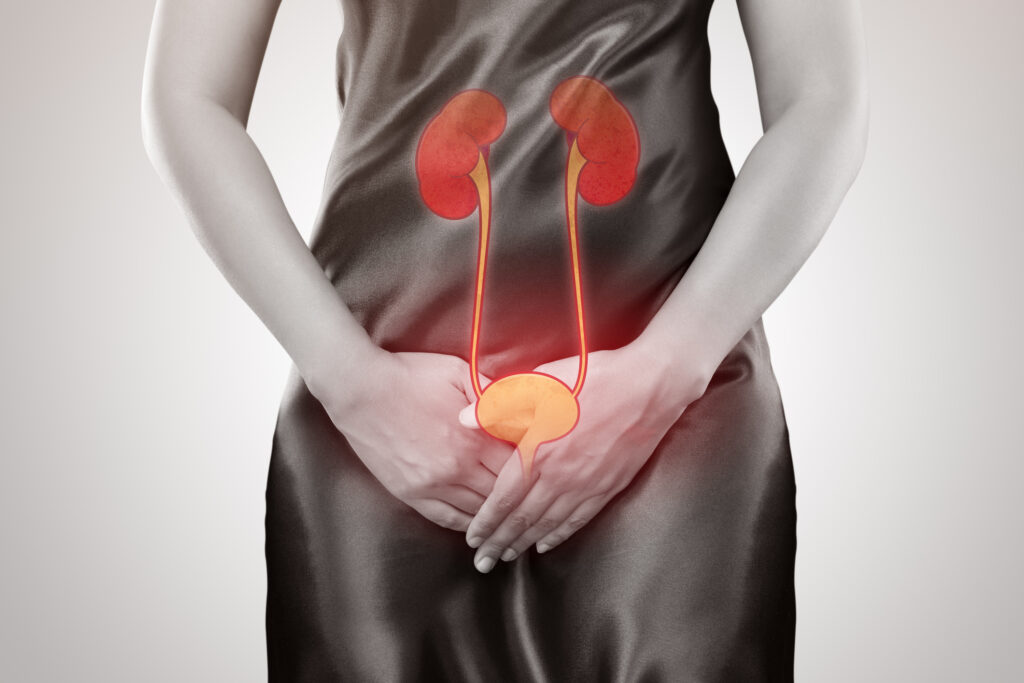
Urinary tract infections (UTIs) are a common health issue that affects millions of women worldwide. While UTIs can occur in individuals of any gender, women are particularly susceptible due to their unique anatomy. In this blog, we will delve into the gender-specific risk factors that make women more prone to UTIs and explore various treatment approaches. Additionally, we will discuss the expertise of Dr. Rajesh Dhake, a renowned urologist in Pune and his clinic’s contributions to UTI management. Understanding UTIs in Women:To comprehend the higher prevalence of UTIs in women, it is crucial to consider the anatomy of the female urinary tract. The proximity of the urethra to the anus and its shorter length makes it easier for bacteria to enter the urinary tract. Furthermore, hormonal changes, such as those during pregnancy or menopause, can impact the vaginal flora and increase the risk of UTIs. Gender-specific Risk Factors for UTIs: Diagnosis and Treatment Approaches: Summary: UTIs in women are a common concern due to various gender-specific risk factors. Understanding these factors and implementing preventive measures are key to reducing the incidence of UTIs. Dr. Rajesh Dhake, a highly skilled urologist in Pune. Dr. Dhake’s clinic Dr Dhake Urologist In Pune provides comprehensive urological care, including diagnosis, treatment, and prevention of UTIs and other urological problems. With his expertise and commitment to patient care, Dr Dhake and his clinic have helped numerous women in Pune and beyond effectively manage and prevent UTIs. If you are experiencing UTI symptoms or seeking expert guidance, Dr. Rajesh Dhake and his clinic are trusted resources for urological health in Pune.

Uncategorized

The Role of Hormonal Imbalance in Erectile Dysfunction: Diagnosis and Treatment

Erectile dysfunction (ED) is a common sexual disorder that affects millions of men worldwide. While several factors contribute to its development, hormonal imbalance has emerged as a significant underlying cause. Hormones play a crucial role in regulating various bodily functions, including sexual health. In this blog post, we will explore the connection between hormonal imbalance and erectile dysfunction, focusing on its diagnosis and treatment options. Understanding Hormonal Imbalance and Erectile Dysfunction:Hormonal balance is essential for maintaining proper sexual function in men. Testosterone, the primary male sex hormone, plays a vital role in regulating libido, sperm production, and overall sexual performance. When there is a hormonal imbalance, particularly low testosterone levels, it can lead to erectile dysfunction. Other hormones such as prolactin and thyroid hormones also contribute to sexual health and can affect erectile function when imbalanced. Diagnosis of Hormonal Imbalance in Erectile Dysfunction:Diagnosing hormonal imbalances in individuals with erectile dysfunction requires a comprehensive assessment by a healthcare professional. The initial evaluation involves a detailed medical history and physical examination. Blood tests are then conducted to measure hormone levels, including testosterone, prolactin, and thyroid hormones. These tests help identify any hormonal imbalances that may be contributing to the patient’s erectile dysfunction. Treatment Options for Hormonal Imbalance:Related Erectile Dysfunction: Once hormonal imbalances are identified as a contributing factor to erectile dysfunction, appropriate treatment can be initiated. The treatment plan will depend on the specific hormone involved and the underlying cause of the imbalance. Here are some common treatment options: Testosterone Replacement Therapy (TRT):If low testosterone levels are detected, TRT may be prescribed. TRT involves administering testosterone through injections, patches, gels, or pellets. This therapy helps restore hormone levels to a normal range, improving sexual function in men with testosterone deficiency. Medications to Regulate Prolactin Levels:Elevated prolactin levels can also contribute to erectile dysfunction. In such cases, medications known as dopamine agonists are prescribed to reduce prolactin secretion. This helps restore hormonal balance and improve sexual function. Thyroid Hormone Replacement:In individuals with hypothyroidism or hyperthyroidism, thyroid hormone replacement therapy is initiated. By restoring thyroid hormone levels to normal, this treatment option can alleviate erectile dysfunction caused by thyroid imbalances. Lifestyle Changes:In addition to medical interventions, certain lifestyle modifications can help address hormonal imbalances. Regular exercise, a healthy diet, stress reduction techniques, and adequate sleep can contribute to hormonal balance and overall sexual well-being. Summary: Hormonal imbalances can significantly impact erectile function, and diagnosing and treating them is crucial in managing erectile dysfunction. If you suspect hormonal imbalances are contributing to your erectile difficulties, it is essential to consult with a qualified urologist or endocrinologist. One such experienced professional is Dr. Dhake, a renowned urologist based in Pune. With his expertise in the field, Dr. Dhake has helped numerous patients effectively diagnose and treat hormonal imbalances related to erectile dysfunction. Remember, early diagnosis and appropriate treatment can lead to improved sexual health and overall well-being. By addressing hormonal imbalances, individuals with erectile dysfunction can regain their confidence and enjoy a fulfilling sexual life.

Scroll to Top