
Uncategorized

Uncategorized

The Role of Antibiotics in UTI Treatment: Choosing the Right Option

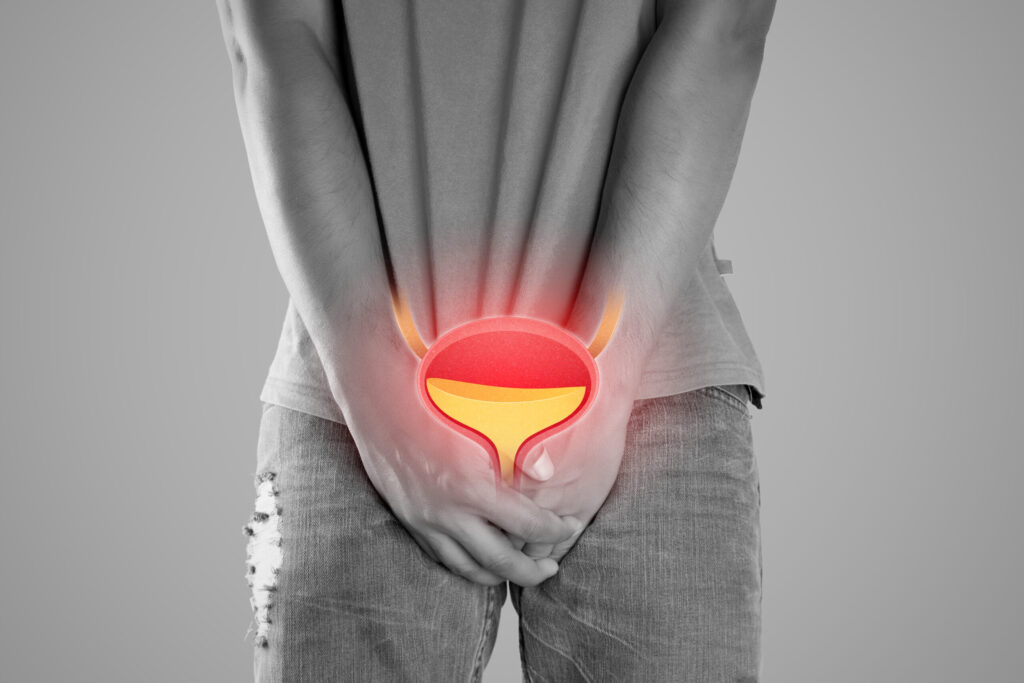
Urinary tract infections (UTIs) are a common medical condition that affects millions of people worldwide. These infections can cause discomfort and pain, and if left untreated, they may lead to more serious complications. Antibiotics are the cornerstone of UTI treatment, as they help eliminate the infection-causing bacteria. However, selecting the appropriate antibiotic for UTI treatment is crucial to ensure effective results and minimize the risk of antibiotic resistance. In this blog post, we will explore the role of antibiotics in UTI treatment and discuss how to choose the right option. Understanding UTIs:Before delving into the role of antibiotics, it is essential to understand UTIs and their causes. UTIs primarily occur when bacteria enter the urinary tract through the urethra and multiply in the bladder. The most common culprit is Escherichia coli (E. coli), a bacterium commonly found in the intestines. UTIs can affect different parts of the urinary tract, including the bladder (cystitis), urethra (urethritis) or kidneys (pyelonephritis). The Importance of Antibiotics:Antibiotics play a vital role in treating UTIs by targeting and eliminating the bacteria causing the infection. These medications inhibit bacterial growth or kill the bacteria directly, allowing the body’s immune system to clear the infection. Antibiotics for UTIs are typically prescribed based on the specific bacteria causing the infection and their susceptibility to different antibiotics. Choosing the Right Antibiotic:The choice of antibiotic for UTI treatment depends on several factors, including the severity of the infection, the patient’s medical history, and antibiotic resistance patterns in the local community. Commonly prescribed antibiotics for UTIs include: It is important to note that self-medication and overuse of antibiotics without proper medical consultation can lead to antibiotic resistance and other complications. Therefore, always consult a healthcare professional for the appropriate diagnosis and treatment of UTIs. Summary: Antibiotics play a crucial role in treating UTIs by eliminating the infection-causing bacteria. However, the selection of the right antibiotic is crucial to ensure effective treatment and reduce the risk of antibiotic resistance. The choice of antibiotic depends on factors such as the severity of the infection, patient-specific factors, and local resistance patterns. Consulting a healthcare professional, such as a urologist, is essential to diagnose UTIs accurately and determine the most appropriate antibiotic treatment. If you are seeking expert advice and treatment for UTIs in Pune, Dr. Dhake, a renowned urologist in Pune, is an excellent choice for comprehensive care. Dr. Dhake has extensive experience in the field of urology and specializes in the diagnosis and treatment of UTIs and other urinary conditions. With his expertise, he can provide personalized treatment plans tailored to each patient’s needs. Dr. Dhake employs a patient-centered approach, taking into consideration the patient’s medical history, symptoms, and any relevant laboratory test results. By thoroughly evaluating the individual case, he can determine the most suitable antibiotic for UTI treatment. Additionally, he stays updated with the latest research and guidelines in urology, ensuring that his patients receive evidence-based care. Visit https://www.drrajeshdhakeurologist.com/ for scheduling appointment.

Uncategorized

Understanding Laser Treatment for Kidney Stones: An Overview

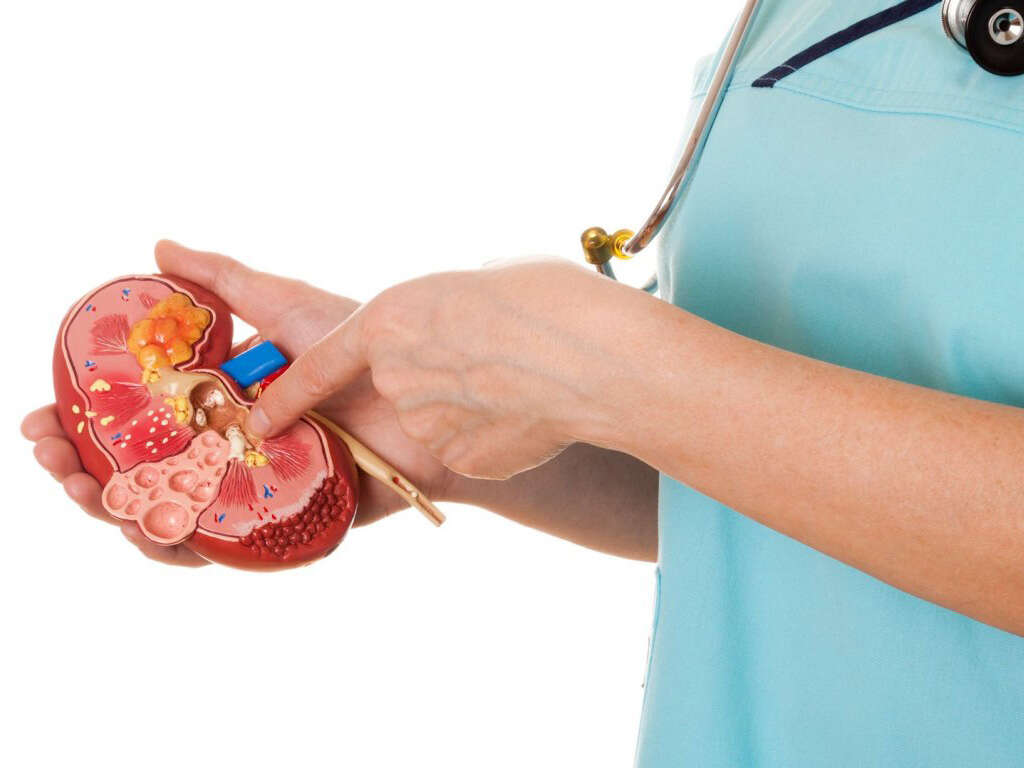
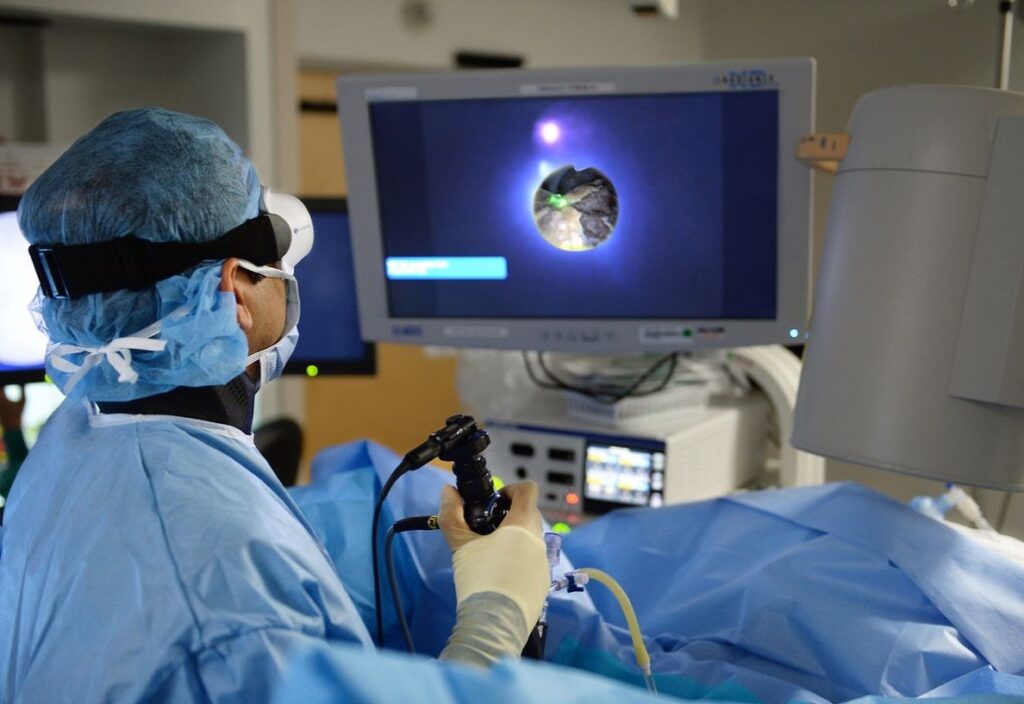
Kidney stones are a common urological condition that affects millions of people worldwide. These small, hard deposits can cause severe pain and discomfort when they obstruct the urinary tract. Over the years, various treatment options have been developed to manage kidney stones effectively. One such advanced technique is laser treatment, which has revolutionized the field of urology. In this blog post, we will delve into the details of laser treatment for kidney stones, exploring its benefits, procedure and outcomes. What are Kidney Stones? Before delving into laser treatment, it is essential to understand kidney stones. Kidney stones are solid mineral and salt deposits that form within the kidneys. They can vary in size, from tiny grains to larger stones that can obstruct the urinary tract. In this section, we will discuss the causes, symptoms, and risk factors associated with kidney stones. Traditional Treatment Approaches for Kidney Stones: To set the stage for understanding laser treatment, it is important to briefly touch upon the traditional treatment approaches for kidney stones. This section will provide an overview of techniques such as extracorporeal shock wave lithotripsy (ESWL), percutaneous nephrolithotomy (PCNL), and ureteroscopy. Laser Treatment for Kidney Stones: A. What is Laser Treatment? Laser treatment, also known as laser lithotripsy, is a minimally invasive procedure that employs laser energy to break down kidney stones into smaller fragments. In this section, we will explore the principles behind laser lithotripsy and its advantages over traditional treatment methods. B. Procedure of Laser Treatment: Here, we will delve into the step-by-step process of laser treatment for kidney stones. From anaesthesia administration to the insertion of the ureteroscope and laser fibre, we will discuss each stage of the procedure in detail. Additionally, we will touch upon different laser types commonly used in the treatment. C. Benefits of Laser Treatment: Laser treatment offers several benefits over traditional approaches, making it an increasingly preferred option for kidney stone management. This section will discuss the advantages of laser treatment, including reduced pain, shorter recovery time and enhanced stone clearance rates. D. Outcomes and Complications: To evaluate the effectiveness of laser treatment, it is important to examine its outcomes and potential complications. This section will provide insights into the success rates, stone clearance rates, and potential complications associated with the procedure. It is important to note that complications are rare but can occur. E. Dr Rajesh Dhake and His Clinic: In conclusion, it is crucial to mention the expertise and experience of Dr Rajesh Dhake, a renowned urologist specializing in kidney stone management, based in Pune. Dr Dhake’s clinic is known for its state-of-the-art facilities and patient-centric approach. Patients seeking effective kidney stone treatment can trust Dr Rajesh Dhake and his clinic Dr dhakes urologist in pune for personalized care and successful outcomes. Summary: Laser treatment for kidney stones has emerged as a game-changer in the field of urology. Its minimally invasive nature, high success rates, and shorter recovery times make it an attractive option for patients suffering from kidney stones. Understanding the benefits, procedures, and outcomes of laser treatment is crucial for individuals seeking effective and efficient stone management. If you are based in Pune and require expert urological care, Dr Rajesh Dhake and his clinic should be your go-to destination for personalized and successful treatment.

Uncategorized

UTIs in Women- Exploring Gender: Specific Risk Factors and Treatment Approaches

Urinary tract infections (UTIs) are a common health issue that affects millions of individuals worldwide, with women being more susceptible to UTIs compared to men. In this blog post, we will delve into the gender-specific risk factors associated with UTIs in women, explore various treatment approaches, and shed light on the expertise of Dr. Rajesh Dhake, a renowned urologist in Pune, and his clinic. Understanding UTIs in Women: Risk Factors for UTIs in Women: Symptoms and Diagnosis of UTIs in Women: Treatment Approaches: Summary: UTIs pose a significant health concern for women, and understanding the gender-specific risk factors associated with UTIs is crucial for effective prevention and treatment. This blog post has shed light on various aspects of UTIs in women, ranging from risk factors to treatment approaches. Dr. Rajesh Dhake, a renowned urologist in Pune, has extensive experience in managing UTIs and providing specialized care to patients. His clinic is dedicated to delivering personalized treatment plans and ensuring the overall well-being of individuals with UTIs and other urological conditions. If you are seeking professional assistance in Pune, consider visiting Dr. Dhake’s clinic to receive expert guidance and comprehensive care. Remember, early detection, proper hygiene practices and timely intervention are key to managing UTIs effectively. By staying informed and seeking professional help when needed, women can take control of their urinary tract health and minimize the impact of UTIs on their overall well-being.

Uncategorized

Recurrent UTIs: Causes, Management and Prevention Techniques

Urinary tract infections (UTIs) are a common medical condition that affects many individuals, particularly women. While UTIs can occur sporadically, some individuals experience recurrent UTIs, which can significantly impact their quality of life. Dr. Rajesh Dhake’s clinic has extensive experience in dealing with recurrent UTIs, and providing effective solutions for patients. Let’s dive into the causes, management strategies, and prevention techniques for recurrent UTIs. Understanding Recurrent UTIs Recurrent UTIs refer to multiple episodes of UTIs within a given period, typically defined as two or more infections in six months or three or more infections in one year. These recurrent infections can be distressing and have a significant impact on a person’s daily activities. Dr. Rajesh Dhake’s clinic specializes in the diagnosis and treatment of recurrent UTIs, offering tailored solutions to alleviate symptoms and prevent future occurrences. Common Causes of Recurrent UTIs Management Strategies for Recurrent UTIs Prevention Techniques for Recurrent UTIs Prevention is key when it comes to recurrent UTIs. By adopting proactive measures, individuals can reduce their risk of future infections and improve their overall well-being. Dr. Rajesh Dhake’s clinic emphasizes the importance of preventive strategies in managing recurrent UTIs. Here are some effective techniques to consider: Summary: Recurrent UTIs can be frustrating and disruptive, but with the right management and prevention techniques, individuals can regain control over their urinary health. Dr. Rajesh Dhake’s clinic offers expertise in diagnosing, treating, and preventing recurrent UTIs, providing personalized care and tailored treatment plans.

Uncategorized

Preventing UTIs: Tips and Strategies for Maintaining Urinary Tract Health

Urinary tract infections (UTIs) are a common and uncomfortable condition that affects millions of people worldwide. While UTIs can be treated with medication, prevention is always better than cure. In this blog post, we will explore various tips and strategies that can help you maintain urinary tract health and minimize the risk of UTIs. By incorporating these practices into your daily routine, you can significantly reduce the likelihood of developing UTIs and enjoy better urinary tract health. Understanding UTIs and their Causes: Before diving into prevention strategies, it is important to understand the basics of UTIs. UTIs occur when bacteria, usually from the gastrointestinal tract, enter the urethra and travel to the bladder and other parts of the urinary tract. Common causes include improper hygiene practices, sexual activity, certain medical conditions, and weakened immune systems. By understanding the causes, we can better tailor our prevention efforts. Hygiene Practices for UTI Prevention:Maintaining good hygiene is crucial for preventing UTIs. This section will discuss important practices such as wiping from front to back after using the toilet, urinating before and after sexual activity, and avoiding irritating feminine hygiene products. Additionally, tips for maintaining cleanliness during menstruation and proper catheter care will be covered. Urinary Habits and Fluid Intake:Healthy urinary habits play a significant role in preventing UTIs. This section will highlight the importance of emptying the bladder fully and avoiding unnecessary delays in urination. It will also discuss the benefits of maintaining adequate fluid intake to promote frequent urination and flush out bacteria from the urinary tract. Dietary and Lifestyle Factors: Diet and lifestyle choices can impact urinary tract health. This section will provide insights into the benefits of consuming a balanced diet rich in antioxidants, probiotics, and foods that promote urinary health. Additionally, we will explore the effects of smoking, alcohol consumption, and excessive caffeine intake on UTI risk, emphasizing the importance of moderation or avoidance. Clothing and Personal Care Products: The clothing we wear and the personal care products we use can have an impact on UTI prevention. This section will discuss the significance of wearing breathable and loose-fitting clothing, as well as avoiding prolonged exposure to wet bathing suits. Additionally, tips for selecting gentle and non-irritating personal care products will be provided. Supplements and Natural Remedies:While prevention strategies primarily involve lifestyle modifications, certain supplements and natural remedies may complement your efforts. This section will explore the potential benefits of cranberry extract, probiotics, and D-mannose in reducing UTI risk. However, it is important to consult with a healthcare professional before starting any new supplements or remedies. Summary: By following the tips and strategies discussed in this blog post, you can significantly reduce the risk of developing UTIs and maintain optimal urinary tract health. Remember, prevention is key. If you do experience recurring UTIs or have concerns about your urinary health, it is crucial to consult with a qualified urologist. Dr. Rajesh Dhake is a renowned urologist based in Pune, known for his expertise in treating urological conditions, including UTIs. If you require specialized care or consultation in Pune, consider visiting Dr. Rajesh Dhake’s clinic for professional guidance and personalized treatment.

Uncategorized

The Role of Nutrition in Male Fertility

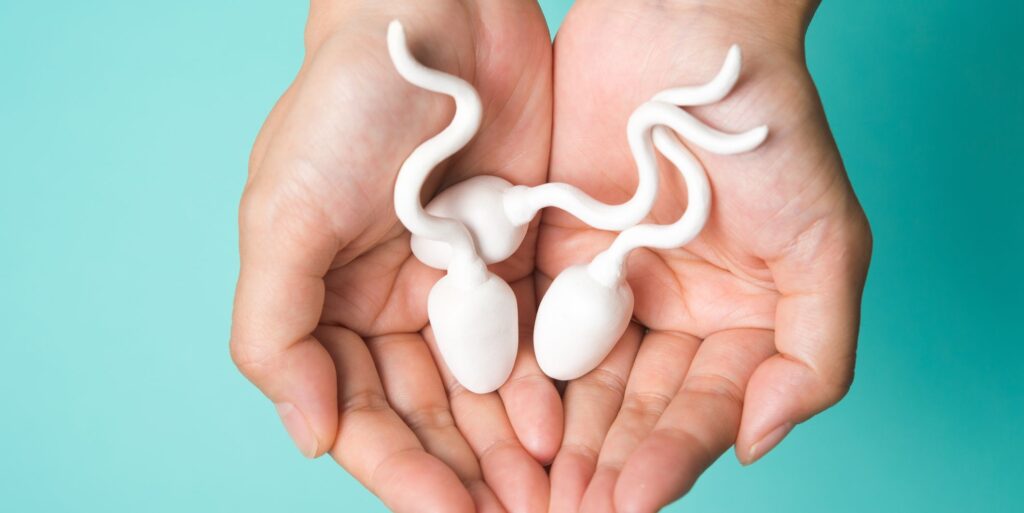
Infertility affects millions of couples worldwide and it is estimated that male factor infertility contributes to nearly 40% of all infertility cases. While numerous factors can influence male fertility, one aspect that often goes overlooked is nutrition. Proper nutrition plays a crucial role in optimizing reproductive health and enhancing male fertility. In this blog post, we will delve into the impact of nutrition on male fertility, exploring dietary choices, essential nutrients, and lifestyle modifications that can positively influence reproductive outcomes. Understanding the Connection between Nutrition and Male Fertility: Lifestyle Modifications for Improved Male Fertility: Summary: The role of nutrition in male fertility should not be underestimated. Making informed dietary choices and adopting a healthy lifestyle can significantly improve reproductive health and increase the chances of conception. However, it is important to remember that individual needs may vary, and consulting a healthcare professional, such as Dr. Rajesh Dhake, a renowned urologist in Pune clinic, is advisable for personalized guidance and support. Dr. Rajesh Dhake, an experienced urologist, can provide expert advice on male fertility concerns and help develop a tailored plan to optimize reproductive health. By considering the role of nutrition, incorporating antioxidant-rich foods, essential nutrients and making lifestyle modifications, men can take proactive steps towards improving their fertility and increasing their chances of starting or expanding their family.

Uncategorized

Tips for Maintaining a Healthy Urinary System

Maintaining a healthy urinary system is essential for general well-being and quality of life. The urinary system is responsible for removing waste and excess fluids from the body while also maintaining a mineral balance. But other things, like unhealthy lifestyle choices and insufficient water, can interfere with its effective operation. We’ll look at some helpful advice for maintaining a healthy urinary system in this blog post. Stay Hydrated:Drinking enough water throughout the day is among the most important steps to take to maintain a healthy urinary system. Water aids in the removal of toxins and germs from the urinary tract, lowering the incidence of kidney stones and urinary tract infections (UTIs). Aim to consume eight or more glasses of water each day. For individualized hydration advice if you have any particular medical conditions, talk to your doctor. Maintain a Balanced Diet:For the general health of your urinary system, a well-balanced diet is essential. Your meals should contain a variety of fresh fruits, vegetables, whole grains, lean proteins, and healthy fats. Vitamin, mineral, and antioxidant-rich foods can maintain healthy kidney function and lower the incidence of urologic diseases. Limit your consumption of processed foods, refined sugars, and too much salt as they can all cause urinary issues. Practice Good Hygiene:Preventing urinary tract infections requires maintaining appropriate hygiene habits. Make careful to properly wash the genital area with warm water and mild soap. Always wipe from front to back after using the loo to stop bacteria from moving from the anal area to the urethra. To maintain the natural pH balance and prevent irritation of the urinary system, avoid using harsh chemical-based products in the genital area. Don’t Hold in Urine:It’s important to quickly empty your bladder when you feel the need to urinate. Urinary retention, which can raise the risk of urinary tract infections and bladder issues, can result from holding in urine for extended periods of time. Regular bladder emptying aids in the removal of bacteria and reduces the accumulation of toxins. Make it a habit to pay attention to your body’s cues and locate the toilet when necessary. Practice Safe Sexual Habits:Urinary tract infections can be avoided by using safe sexual practices. When bacteria from the vaginal region enter the urethra, urinary tract infections may result. Urinate before and after sexual activity to help flush out any bacteria that may have entered the urethra and reduce risk. Additionally, to lessen the risk of sexually transmitted infections that might harm the urinary system, use barrier contraceptives like condoms. Exercise Regularly:Regular exercise encourages healthy circulation and general well-being, including urinary system well-being. Walking, running, swimming, or cycling are examples of moderate-intensity exercises that can assist enhance blood flow to the kidneys and support healthy renal function. Avoid high-impact exercises, though, as they might put pressure on the urinary system and bladder. Avoid Excessive Intake of Irritants:There are some substances that can irritate the urinary system and cause urinary issues. Caffeine, alcohol, and spicy meals should all be consumed in moderation because they can be diuretics(sometimes called water pills, which help rid your body of salt (sodium) and water) and irritate the bladder. Avoid smoking as well, as it can raise your chance of bladder cancer and other problems with the urinary system. Summary: For general well-being, maintaining a healthy urinary system is crucial. You can support the health of your urinary system and lower the risk of urinary system disorders by observing these guidelines, which include drinking plenty of water, eating a balanced diet, practicing good hygiene, emptying your bladder frequently, engaging in safe sexual behavior, exercising frequently, and avoiding consuming excessive amounts of irritants. Never forget to talk to your doctor if you have any special questions or symptoms relating to your urinary system.

Uncategorized

Male Infertility Common Myths Debunked

Male infertility is a subject that is frequently clouded by rumors and urban legends. For people and couples who are having trouble conceiving, these misconceptions can cause confusion, frustration, and unnecessarily high levels of anxiety. We will dispel some of the prevalent myths about male infertility in this blog post. We seek to bring clarity and enable people to make knowledgeable decisions about their reproductive health by separating facts from misinformation. Explanation: Contrary to popular opinion, both men and women can experience infertility. A third of cases of infertility are thought to be caused by male factors, a third by female factors, and the rest of the cases either include both partners or are undetermined. Explanation: Fertility and sexual desire are not directly related. While a man may have a high libido, this does not always mean that his sperm are in the best possible health or that he is fertile. Male fertility is greatly influenced by a number of variables, including sperm count, motility, and morphology. Explanation: Male infertility can happen at any age, despite the fact that age can influence both a man’s and a woman’s fertility. Regardless of age, variables like genetics, health issues, way of life, and environmental factors might affect male fertility. Explanation: Although wearing tight clothing may marginally raise scrotal warmth, it has little effect on sperm count or fertility. The body contains built-in systems that control scrotal temperature and safeguard the viability of sperm. Explanation: Fertility fluctuates with time. Infertility can affect a guy who has previously fathered children for a variety of reasons, including age, health issues, or alterations in lifestyle. Current fertility is not a guarantee of previous fertility. Explanation: A man’s manhood or virility has nothing to do with the medical condition of infertility. Understanding that infertility does not determine a person’s value or masculinity is crucial in separating fertility from one’s sense of self-worth. Explanation: There is no magic herb or substance that may cure male infertility, while various nutrients and lifestyle modifications may enhance general reproductive health. To choose the best course of treatment, it is crucial to speak with medical experts in fertility. Summary: By refuting these widespread misconceptions about male infertility, we seek to give individuals and couples accurate information and allay any unwarranted worries or misunderstandings. Knowing the truth regarding male infertility is an important first step in getting the right medical advice, looking into treatment options, and finding hope on the road to motherhood. Remember that information is power, and many couples can overcome infertility obstacles and start the family they want with the correct assistance. It is crucial to speak with a trusted medical expert if you or your partner are having issues with male infertility. Dr. Dhake Urology Clinic is one such dependable resource, where skilled urologists specializing in male infertility give complete diagnosis, treatment, and support. The Dr. Dhake Urology Clinic provides a sympathetic and individualized approach to reproductive therapy, assisting patients in understanding and overcoming the difficulties associated with male infertility. Don’t let false beliefs prevent you from getting the assistance you require. To take the initial step towards achieving your parental goals, get in touch with Dr. Dhake Urology Clinic or a licensed fertility expert.

Uncategorized

Common Causes of Kidney Stones and How to Prevent Them

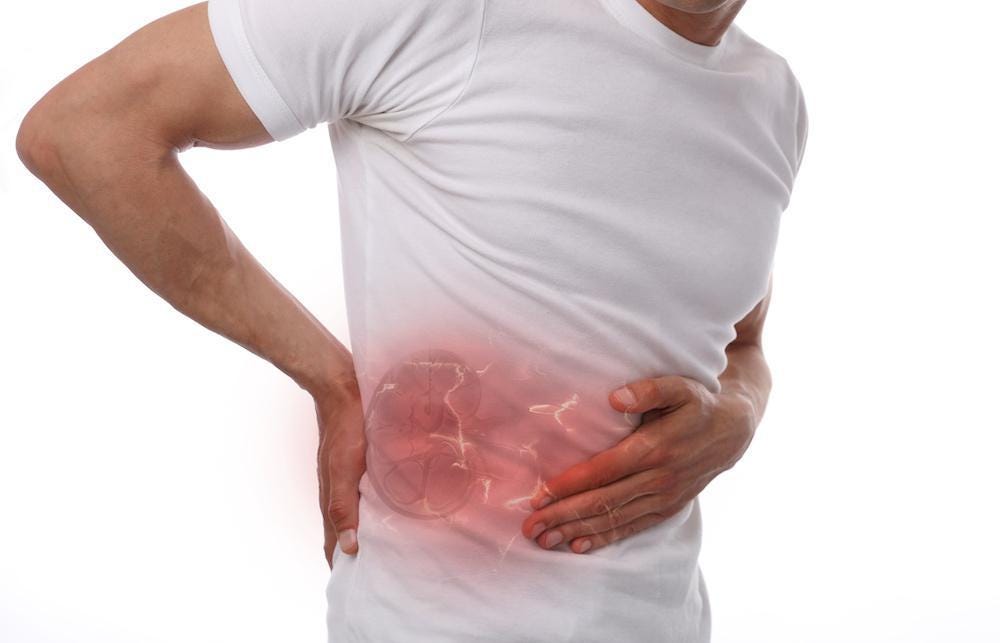
Kidney stones are tiny, dense mineral crystals that grow inside the kidneys. When they move through the urinary tract, they can cause agonizing pain and discomfort. The risk of kidney stones can be considerably decreased by being aware of the typical causes and taking preventative actions. In this blog post, we’ll look at the main reasons kidney stones occur and offer helpful advice for preventing them. What is a Kidney stone:Renal calculi, or kidney stones, are solid salt and mineral deposits that develop in the kidneys. They can range in size from minute particles to massive stones with a diameter of several centimeters. Kidney stones normally form when specific elements, such as calcium, oxalate, and uric acid, become concentrated and crystallize in the urine. These crystals may develop and group together over time to produce solid stones. Types of Kidney Stones:Let us begin by discussing the many types of kidney stones, such as calcium stones, uric acid stones, struvite stones, and cystine stones. Describe each type’s makeup and characteristics in brief. Dehydration and Lack of Fluid Intake:Underline how dehydration contributes to kidney stone development. Describe how a lack of fluid intake might cause urine to become more concentrated, which raises the possibility of stone development. Advise on how much water to drink each day and the value of staying hydrated all day. Dietary Factors:Discuss how various dietary elements may contribute to kidney stone development. Emphasise oxalate-rich foods like spinach, rhubarb, and chocolate since they can cause calcium oxalate stones to form. Encourage people to consume these foods in moderation and provide them with alternate nutritional options. Sodium Intake:Discuss the possible links between various dietary components and the formation of kidney stones. Foods high in oxalate, such as spinach, rhubarb, and chocolate, should be prioritized because they can result in calcium oxalate stones. Provide them with alternative nutritious options and advise them to take these meals in moderation. Calcium Intake:Dispel the myth that consuming calcium causes kidney stones. Make it clear that getting enough calcium does not directly cause the production of stones but is necessary for maintaining general bone health. Discuss the advantages of getting calcium from food sources as opposed to supplementation. Medications and Medical Conditions:Describe how specific drugs or underlying health issues can make kidney stones more likely. Discuss the significance of routine physicals, keeping in touch with medical professionals, and managing prescription side effects as well as any diseases that would put someone at risk for stone formation. Lifestyle Modifications:Offer doable lifestyle adjustments to avoid kidney stones. These can include eating healthily, exercising frequently, and consuming less alcohol and caffeine. Describe how these modifications can improve kidney health and lower the chance of stone development. Importance of Regular Check-ups:Insist on the value of routine physicals with a urologist or primary care doctor. Encourage readers to make regular consultations to evaluate their kidney health and talk about any worries or symptoms they might be feeling. Summary: It is important to comprehend the typical causes of kidney stones to prevent them. People can dramatically lower their risk of acquiring kidney stones by taking care of issues including dehydration, dietary choices, sodium consumption, and medications. Maintaining kidney health requires changing your way of life and drinking plenty of water. It is always advisable to seek competent medical assistance if you have any worries regarding kidney stones or any urological issues. Our team of skilled urologists at Dr. Dhake Urology Clinic is committed to offering patients with urological difficulties complete care and direction. Make a consultation at the Dr. Dhake Urology Clinic to receive individualized attention and assistance in maintaining your urological health. Keep in mind that the best defense against kidney stones is prevention. You may reduce your risk of experiencing the pain and discomfort linked to kidney stones and enjoy optimal kidney health by being proactive and obtaining professional advice.

Scroll to Top