Uncategorized

Uncategorized

How UTIs Can Affect Your Sexual Health and What You Can Do About It

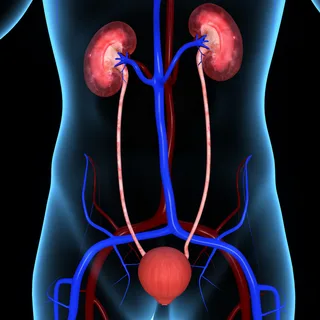
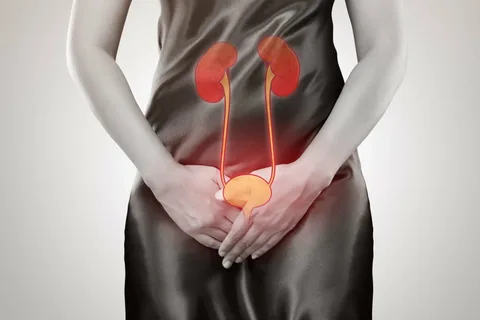
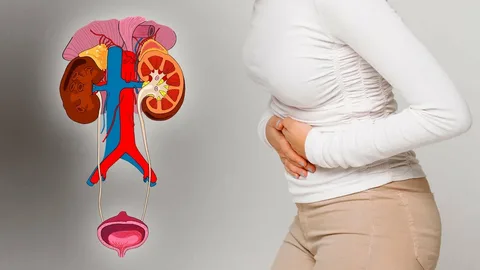
Urinary tract infections (UTIs) are a common condition that can have a significant impact on one’s overall health, including sexual health. UTIs can cause discomfort and pain, as well as disrupt one’s sexual function and intimate relationships. In this blog post, we’ll discuss the connection between UTIs and sexual health, and provide tips for prevention and treatment. UTIs can affect anyone, but women are more likely to experience them than men due to their shorter urethra. When bacteria enter the urinary tract and multiply, they can cause an infection that leads to symptoms such as frequent urination, pain or burning during urination, and a feeling of urgency to urinate. These symptoms can be uncomfortable and disruptive to daily life, including sexual activity. UTIs can also have a direct impact on sexual health. For women, UTIs can cause pain during sexual intercourse and can lead to a decrease in sexual desire. This can result in a strain on intimate relationships and cause emotional distress. Men may experience similar symptoms, including pain during ejaculation and a decrease in sexual desire. Furthermore, if left untreated, UTIs can lead to more serious health problems, such as kidney infections and sepsis. This highlights the importance of taking preventive measures to avoid UTIs in the first place. The good news is that UTIs are often preventable, and there are steps you can take to reduce your risk of developing one. Here are some tips: If you do develop a UTI, it’s important to seek treatment promptly. UTIs are typically treated with antibiotics, and symptoms can improve within a few days of starting treatment. If left untreated, however, UTIs can cause serious complications. In addition to taking antibiotics, there are also home remedies that may help to relieve UTI symptoms. These include drinking cranberry juice or taking supplements, applying heat to the lower abdomen or back, and taking over-the-counter pain relievers. UTIs can have a significant impact on one’s sexual health, but they are often preventable. By practicing good hygiene, staying hydrated, and taking other preventive measures, you can reduce your risk of developing a UTI. If you do experience symptoms of a UTI, seek treatment promptly to avoid more serious health problems. Dr. Rajesh Dhake, a leading urologist at Dhake Urology Clinic, emphasizes the importance of taking preventive measures to avoid UTIs and other urological conditions. By following these tips and seeking timely treatment, you can maintain good urinary and sexual health.

Uncategorized

No More Pain The Benefits of Laser Treatment for Kidney Stones

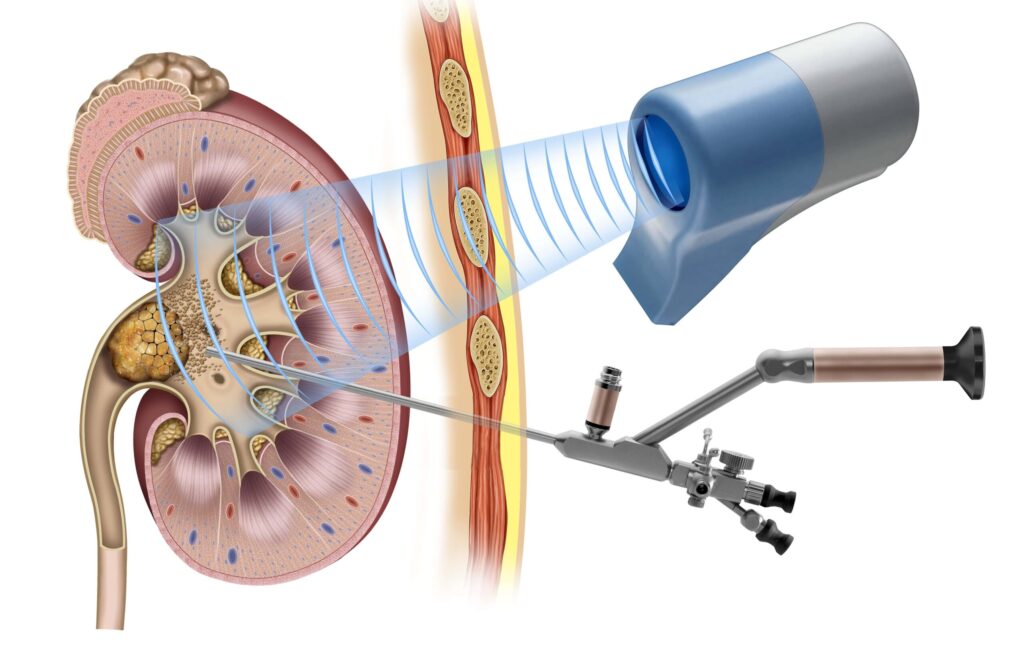
For many people, having kidney stones may be a painful and upsetting experience. In the past, kidney stone treatments were intrusive and frequently necessitated protracted hospital stays. However, the development of laser therapy has made it possible to treat kidney stones using hardly intrusive techniques that provide prompt pain and discomfort alleviation. In this post, we’ll talk about the advantages of kidney stone laser therapy and how it’s changed how this widespread ailment is treated. In the kidneys or urinary system, hard, crystalline crystals known as kidney stones can develop. They develop when certain minerals and salts in urine build up and form tiny crystals, which have the potential to enlarge over time. When they pass through the urinary tract, kidney stones can be quite painful. If they get too big or become obstructive, they may need to be treated. Kidney stones can cause excruciating back or side discomfort, blood in the urine, and trouble urinating. In the past, shock wave lithotripsy or open surgery were often used as treatments for kidney stones. These surgeries may be uncomfortable, necessitate protracted hospital stays, and patients would frequently need to miss time from work or school while recovering. Traditional medical procedures were often ineffective, leaving patients in need of additional operations or treatments. With the use of a laser, kidney stones can be broken up into smaller fragments that can be moved more easily via the urinary tract during a minimally invasive process known as laser therapy. Compared to conventional treatment options, laser therapy provides several benefits, such as: 2. Reduced Pain and Discomfort- Because laser treatment for kidney stones does not involve making major incisions or using shock waves, it is less unpleasant than conventional treatment procedures. After the surgery, patients could feel some discomfort, although this is typically treatable with painkillers. Laser treatment for kidney stones is a minimally invasive process that doesn’t involve shock wave therapy or major incisions. As a result, there is a lower chance of problems and the treatment can be done without an inpatient stay. Make it more specific. Laser treatment for kidney stones offers numerous advantages over traditional treatment methods. Patients can expect a quick recovery, reduced pain and discomfort, and high success rates with this minimally invasive procedure. Dr. Rajesh Dhake, a skilled and experienced urologist, can provide expert guidance and care throughout the entire treatment process, ensuring the best possible outcome for his patients. With the use of advanced technology and the expertise of medical professionals like Dr. Dhake, kidney stone treatment has become significantly less invasive and more effective. No longer do patients have to endure lengthy hospital stays or suffer through painful and uncomfortable procedures. Instead, they can rely on the benefits of laser treatment and the care of experienced professionals like Dr. Dhake to help them overcome kidney stones and reclaim their quality of life.

Uncategorized

UTI Prevention Tips – Simple Strategies for a Healthier Bladder

By following these simple strategies, you can help prevent UTIs and promote a healthier bladder. If you do experience symptoms of a UTI, such as painful urination, frequent urination or cloudy urine, it is important to see a healthcare provider for diagnosis and treatment. By following these simple strategies, you can help prevent UTIs and promote a healthier bladder. If you do experience symptoms of a UTI, such as painful urination, frequent urination or cloudy urine, it is important to see a healthcare provider for diagnosis and treatment. At Dr Dhake Urology Clinic, we specialize in the diagnosis and treatment of UTIs and other urological conditions. Our team of experienced healthcare professionals can provide you with personalized advice and guidance on how to prevent UTIs and maintain optimal bladder health. Contact us today to schedule a consultation and learn more about how we can help you.

Uncategorized

UTI in Menopause: Hormonal Changes and Urinary Health

Menopause is a significant phase in a woman’s life marked by various hormonal changes in the body. These changes can have an impact on various aspects of health, including urinary health. Urinary tract infections (UTIs) are a common issue that women may face during menopause due to the hormonal fluctuations that occur during this time. In this blog, we will explore the relationship between menopause, hormonal changes urinary health and discuss the insights from Dr. Rajesh Dhaka, a renowned expert in urology. Body Understanding Menopause and Hormonal Changes Menopause is a natural biological process that marks the end of a woman’s reproductive years. It usually occurs between the ages of 45 to 55, but can vary for each woman. During menopause, the production of estrogen and progesterone, two key female hormones, declines. These hormonal changes can lead to a variety of symptoms, including hot flashes, mood swings and changes in the urinary tract. Hormonal Changes and Urinary Health The decline in estrogen levels during menopause can affect the health of the urinary tract in several ways. Estrogen plays a crucial role in maintaining the health of the urinary tract tissues, including the lining of the urethra, bladder and ureters. It helps to keep the tissues pliable, elastic and well-lubricated. However, the reduced levels of estrogen during menopause can lead to thinning and weakening of these tissues, making them more susceptible to infections. Increased Risk of UTIs during Menopause The hormonal changes during menopause can increase the risk of developing UTIs. The decline in estrogen levels can result in changes in the urinary tract, making it more susceptible to bacterial infections. The urethra, which is the tube connecting the bladder to the external body, becomes shorter and narrower due to hormonal changes. This can make it easier for bacteria to travel up the urethra and reach the bladder, leading to UTIs. Common Symptoms of UTIs in Menopause UTIs can cause a variety of uncomfortable symptoms in menopausal women. These may include a strong and persistent urge to urinate, a burning sensation while urinating, passing small amounts of urine frequently, cloudy, dark, bloody or strong-smelling urine, pain or pressure in the lower abdomen or back, and feeling tired or shaky. It is important to be aware of these symptoms and seek prompt medical attention if they occur, as untreated UTIs can lead to serious complications. Diagnosis and Treatment of UTIs in Menopause Diagnosis of UTIs in menopause typically involves a physical examination, medical history review and urine sample analysis. If UTI is confirmed, appropriate treatment options are recommended. Dr. Rajesh Dhaka, an expert in urology, may suggest antibiotics to eliminate the bacterial infection. It is essential to complete the full course of antibiotics as prescribed by the doctor, even if symptoms improve before completing the medication. Along with antibiotics, Dr. Dhaka may also recommend measures to alleviate symptoms and prevent future UTIs, such as drinking plenty of water, emptying the bladder regularly, avoiding irritants like bubble baths or harsh soaps, and practicing good hygiene habits. Prevention of UTIs in Menopause Prevention is key in managing UTIs during menopause. Dr. Rajesh Dhaka may provide valuable insights on preventive measures that menopausal women can adopt to reduce their risk of UTIs. These may include maintaining good personal hygiene, drinking plenty of water to flush out bacteria, emptying the bladder regularly, avoiding holding urine for prolonged periods, wiping from front to back after using the toilet, wearing breathable underwear, avoiding irritating feminine hygiene products and discussing with Dr. Dhaka about the potential benefits of hormone replacement therapy (HRT) or other hormonal therapies to manage menopause symptoms and maintain urinary health. Impact of Lifestyle Choices on UTIs in Menopause In addition to hormonal changes, lifestyle choices can also impact the risk of UTIs in menopause. Factors such as poor diet, sedentary lifestyle, stress and lack of sleep can weaken the immune system and make the urinary tract more susceptible to infections. Dr. Rajesh Dhaka may provide insights on the importance of maintaining a healthy lifestyle, including a balanced diet, regular exercise, stress management techniques and quality sleep, to support overall health and reduce the risk of UTIs during menopause. UTI Complications in Menopause If left untreated, UTIs can lead to serious complications in menopause. Dr. Rajesh Dhaka may provide valuable information on potential complications of UTIs, such as recurrent UTIs, kidney infections, bladder infections and long-term damage to the urinary tract. It is crucial to seek prompt medical attention and follow the recommended treatment plan to prevent these complications and maintain optimal urinary health. Psychological Impact of UTIs in Menopause The impact of UTIs in menopause is not limited to physical symptoms alone. UTIs can also have a psychological impact on women, including increased stress, anxiety, and discomfort. Dr. Rajesh Dhaka may provide insights on how the psychological impact of UTIs can affect a woman’s overall well-being during menopause and offer strategies to cope with these challenges, such as stress-reducing techniques, relaxation exercises and seeking support from loved ones and healthcare professionals. Managing UTIs in Menopause Tips and Strategies Dr. Rajesh Dhaka may provide practical tips and strategies for managing UTIs in menopause. These may include maintaining good hygiene practices, staying hydrated, emptying the bladder regularly, taking prescribed medications as directed, discussing with Dr. Dhaka about the potential benefits of HRT or other hormonal therapies and adopting a healthy lifestyle to support urinary health during menopause. Conclusion In conclusion, menopause brings about hormonal changes in a woman’s body that can impact urinary health and increase the risk of UTIs. It is crucial for women to be aware of these changes and take proactive measures to maintain optimal urinary health during this phase of life. Consulting with an expert in urology, such as Dr. Rajesh Dhaka, can provide valuable insights and guidance on managing UTIs in menopause. By following preventive measures, seeking prompt medical attention when needed and adopting a healthy lifestyle, women can effectively manage UTIs and maintain good urinary health during menopause and beyond.

Dr. Rajesh Dhake, Urologist in Pune, Kidney Stone Specialist in Pune , Urologist in Dange Chowk , Kalewadi, Pimpri, Pune, PCMC.
Uncategorized

Erectile Dysfunction: Causes, Symptoms, & Treatment Options

Erectile dysfunction (ED) is a common condition in which a man has difficulty achieving or maintaining an erection. While it can be a sensitive topic for many, it’s important to know that ED is treatable, and seeking help is the first step towards restoring sexual function and improving quality of life. Causes:ED can be caused by a variety of factors, including physical, psychological, and lifestyle factors. Physical causes can include high blood pressure, diabetes, obesity, heart disease, and certain medications. Psychological causes can include stress, anxiety, depression, and relationship problems. Lifestyle factors such as smoking, excessive alcohol consumption, and lack of exercise can also contribute to ED. Symptoms:The main symptom of ED is difficulty achieving or maintaining an erection during sexual activity. Other symptoms may include reduced libido, decreased sexual satisfaction, and feelings of embarrassment or shame. Treatment Options:The treatment for ED depends on the underlying cause. If it is caused by physical factors, treatment may include medication or surgery. Psychological causes may be treated with therapy, counseling, or medication. Lifestyle changes such as quitting smoking, reducing alcohol consumption, and increasing physical activity may also help. At Dr. Rajesh Dhake’s Urology Clinic in Pune, we offer a range of treatment options for ED, tailored to each patient’s specific needs. Our team of experienced urologists understands the sensitive nature of this condition and provides compassionate care to help patients regain sexual function and improve their quality of life. If you are experiencing symptoms of ED, don’t hesitate to contact us to schedule an appointment. Our clinic offers a range of services, including diagnostic testing, medication, and counseling, to help you achieve optimal sexual health. We are committed to providing personalized, patient-centered care to each individual who walks through our doors.

Dr. Rajesh Dhake, Urologist in Pune, Kidney Stone Specialist in Pune , Urologist in Dange Chowk , Kalewadi, Pimpri, Pune, PCMC.
Uncategorized

Endometriosis & Bladder Symptoms: What You Need To Know

Endometriosis is a painful condition in which tissue similar to the lining of the uterus grows outside of it, often affecting the ovaries, fallopian tubes, and other pelvic organs. One of the symptoms of endometriosis can be bladder problems, which can cause discomfort and pain during urination, frequent urination, and difficulty emptying the bladder.Causes:The exact cause of endometriosis is unknown, but it is believed to be caused by a combination of genetic and environmental factors. Hormonal imbalances, immune system dysfunction, and retrograde menstruation (when menstrual blood flows back into the pelvis) may also play a role. Symptoms:Endometriosis can cause a range of symptoms, including pelvic pain, painful periods, pain during sex, infertility, and bladder problems. Bladder symptoms can include pain or discomfort during urination, frequent urination, the urgency to urinate, and difficulty emptying the bladder.Treatment Options:The treatment for endometriosis and bladder symptoms will depend on the severity of the condition and the individual’s symptoms. Pain relief medication, hormone therapy, and surgery are all treatment options that can be considered. A combination of treatments may be necessary to manage symptoms effectively. At Dr. Rajesh Dhake’s Urology Clinic in Pune, we understand the impact that endometriosis and bladder symptoms can have on a woman’s quality of life. Our team of experienced urologists and gynecologists works together to provide comprehensive care for women with endometriosis and related bladder symptoms. We offer a range of diagnostic testing, medication, and surgical treatments to help manage symptoms and improve quality of life. If you are experiencing symptoms of endometriosis and bladder problems, don’t hesitate to contact us to schedule an appointment. Our clinic offers a welcoming and supportive environment, where our team provides personalized, patient-centered care to help you manage your symptoms and improve your quality of life.

Dr. Rajesh Dhake, Urologist in Pune, Kidney Stone Specialist in Pune , Urologist in Dange Chowk , Kalewadi, Pimpri, Pune, PCMC.
Uncategorized

Common Urological Disorders & Their Treatments: What You Need To Know

The field of urology focuses on the diagnosis and treatment of conditions affecting the urinary tract and male reproductive system. Urological disorders can be both common and complex, affecting patients of all ages and genders. In this article, we will discuss some of the most common urological disorders and their treatments. Urinary Tract Infections (UTIs) UTIs are one of the most common urological disorders, affecting both men and women. They are caused by bacteria that enter the urinary tract and can cause symptoms such as frequent urination, burning during urination, and lower abdominal pain. Treatment typically involves a course of antibiotics. Prostate Enlargement As men age, their prostate gland can enlarge and cause problems such as difficulty urinating or a weak urine stream. Treatment may include medication or surgery. Kidney Stones Kidney stones are hard deposits that form in the kidneys and can cause severe pain when passing through the urinary tract. Treatment may involve pain management, hydration, and in some cases, surgery. Bladder Cancer Bladder cancer can cause symptoms such as blood in the urine and pain during urination. Treatment options may include surgery, chemotherapy, and radiation therapy. Erectile Dysfunction Erectile dysfunction (ED) is a common condition in which a man has difficulty achieving or maintaining an erection. Treatment options may include medication, lifestyle changes, or surgery. At Dr. Rajesh Dhake’s Urology Clinic in Pune, we specialize in the diagnosis and treatment of urological disorders. Our team of experienced urologists provides personalized care to each patient, taking the time to understand their unique needs and concerns. We offer a range of services, including urological consultations, diagnostic testing, and minimally invasive procedures. If you are experiencing symptoms of a urological disorder, don’t hesitate to contact us to schedule an appointment. We are committed to helping our patients achieve optimal health and wellness.

Dr. Rajesh Dhake, Urologist in Pune, Kidney Stone Specialist in Pune , Urologist in Dange Chowk , Kalewadi, Pimpri, Pune, PCMC.
Uncategorized

The Importance of Early Detection and Treatment of Prostate Cancer

Prostate cancer is a common form of cancer that affects men and can have serious consequences if not detected and treated early. Early detection and treatment can help to prevent the progression of cancer, and increase the chances of survival. In this blog, we will explore the importance of early detection and treatment of prostate cancer. The prostate is a gland that is located below the bladder in men and surrounds the urethra. It produces fluid that is part of semen and helps to transport sperm. Prostate cancer is the growth of abnormal cells within the prostate gland that can spread to other parts of the body if left untreated. There are many risk factors that can increase the likelihood of developing prostate cancer, including age, family history, and race. While some men may not experience any symptoms in the early stages of prostate cancer, others may experience urinary symptoms, pain, or discomfort. In order to detect prostate cancer early, it is important for men to undergo regular screenings, such as prostate-specific antigen (PSA) tests and digital rectal exams (DREs). Early detection of prostate cancer is crucial for effective treatment. If caught early, prostate cancer can be treated with surgery, radiation therapy, or a combination of both. In many cases, surgery to remove the prostate gland may be the best option, especially if the cancer is still contained within the gland. Radiation therapy can also be used to shrink cancer or slow its growth and may be used in combination with surgery. In some cases, hormone therapy may also be used to slow the growth of cancer. Treating prostate cancer in its early stages can greatly increase a mans chances of survival. Early treatment can also help to reduce the risk of long-term complications, such as incontinence and impotence. In addition, early detection and treatment can help to preserve the quality of life for men who have been diagnosed with prostate cancer. In addition to regular screenings and early detection, there are lifestyle changes that men can make to help reduce their risk of developing prostate cancer. These include maintaining a healthy diet, exercising regularly, and not smoking. Drinking alcohol in moderation may also help to reduce the risk of developing prostate cancer. In conclusion, early detection and treatment of prostate cancer is crucial for the successful treatment and management of the disease. Regular screenings and lifestyle changes can help to reduce the risk of developing prostate cancer, and early treatment can help to increase the chances of survival. If you are a man over the age of 50, or have a family history of prostate cancer, it is important to talk to your doctor about your risk and the best options for screening and treatment.

Dr. Rajesh Dhake, Urologist in Pune, Kidney Stone Specialist in Pune , Urologist in Dange Chowk , Kalewadi, Pimpri, Pune, PCMC.
Uncategorized

The Benefits of a Healthy Lifestyle for Prostate Health

A healthy lifestyle can have numerous benefits for prostate health, including reducing the risk of prostate cancer and improving overall well-being. In this article, we will discuss the various aspects of a healthy lifestyle and how they contribute to prostate health. Diet: A diet that is rich in fruits, vegetables, whole grains, and lean proteins can help maintain a healthy weight and reduce the risk of prostate cancer. Additionally, a diet that is low in processed foods, saturated fats, and red meat may also help reduce the risk of prostate cancer. Studies have shown that a diet rich in lycopene, an antioxidant found in tomatoes, can also help reduce the risk of prostate cancer. Exercise: Regular exercise is essential for maintaining a healthy weight and improving overall well-being. Exercise has been shown to reduce the risk of prostate cancer by improving circulation and reducing inflammation in the body. Additionally, physical activity has been linked to a lower risk of aggressive prostate cancer and improved survival rates for men who have been diagnosed with prostate cancer. Stress Management: Chronic stress can have a negative impact on overall health, including prostate health. Stress management techniques such as yoga, meditation, and deep breathing can help reduce stress levels and improve overall well-being. Sleep: Getting enough sleep is crucial for good health and can help reduce the risk of prostate cancer. Research has shown that men who sleep less than six hours per night are more likely to develop prostate cancer. Additionally, lack of sleep can increase stress levels, which can negatively impact overall health. Avoiding Harmful Substances: Substance abuse, including tobacco and excessive alcohol consumption, has been linked to an increased risk of prostate cancer. Quitting smoking and reducing alcohol consumption can help improve prostate health and reduce the risk of prostate cancer. In conclusion, a healthy lifestyle can have numerous benefits for prostate health, including reducing the risk of prostate cancer and improving overall well-being. By making healthy choices in regards to diet, exercise, stress management, sleep, and avoiding harmful substances, men can take steps to improve their prostate health and maintain a high quality of life. It is important to talk to your doctor about any changes you make to your lifestyle to ensure that they are safe and effective for your individual needs.

Dr. Rajesh Dhake, Urologist in Pune, Kidney Stone Specialist in Pune , Urologist in Dange Chowk , Kalewadi, Pimpri, Pune, PCMC.
Uncategorized

Bladder Control Problems: How to Improve and Maintain Bladder Health

Bladder control problems, also known as urinary incontinence, can be an embarrassing and frustrating issue for many people. It affects both men and women and can be caused by a variety of factors including pregnancy, menopause, weak pelvic muscles, nerve damage, and even certain medications. The good news is that bladder control problems are treatable, and there are several steps you can take to improve and maintain bladder health. One of the most important steps in maintaining bladder health is to stay hydrated. Drinking plenty of water can help prevent bladder infections and improve bladder function. Aim to drink at least 8 glasses of water per day and avoid drinks that can irritate the bladder, such as coffee, tea, and alcohol. Another key step is to maintain a healthy weight. Excess weight can put pressure on the bladder and lead to incontinence. Eating a healthy diet and engaging in regular physical activity can help you maintain a healthy weight and reduce the risk of bladder problems. Exercise is also important for maintaining bladder health. Pelvic floor exercises, also known as Kegel exercises, can help strengthen the muscles that support the bladder and reduce the risk of incontinence. To perform Kegel exercises, tighten the muscles you use to stop the flow of urine and hold for 10 seconds. Repeat this exercise 10-15 times a day. Bladder retraining is another effective way to improve bladder control. This involves gradually increasing the amount of time between trips to the bathroom and reducing the number of times you go during the day. Over time, this helps train the bladder to hold more urine and improve control. Medications and bladder control devices, such as pessaries or vaginal estrogen, can also be effective in treating bladder control problems. These options should be discussed with your doctor, who can help determine the best course of treatment for your individual needs. In addition to these steps, avoiding bladder irritants, such as spicy foods and acidic drinks, can also help maintain bladder health. Smoking and the use of certain medications can also irritate the bladder and should be avoided or minimized if possible. In conclusion, bladder control problems are common and can be caused by a variety of factors. However, there are several steps you can take to improve and maintain bladder health, including staying hydrated, maintaining a healthy weight, exercising regularly, engaging in bladder retraining, and avoiding bladder irritants. If you are experiencing bladder control problems, it is important to discuss your symptoms with your doctor to determine the best course of treatment for your individual needs.

Scroll to Top