Uncategorized

Dr. Rajesh Dhake, Urologist in Pune, Kidney Stone Specialist in Pune , Urologist in Dange Chowk , Kalewadi, Pimpri, Pune, PCMC.
Uncategorized

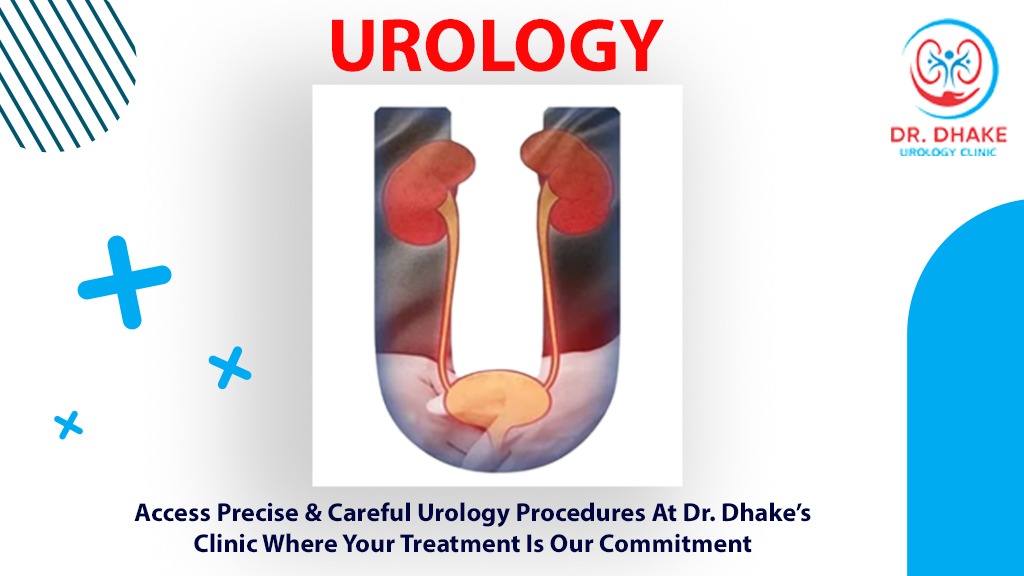
What is Urology and Who is a Urologist?

The area of medicine known as urology deals with both men’s and women’s urinary systems. The problems affecting men’s genitalia and reproductive systems are also discussed. Numerous organs and the parts of those organs are covered by urology. Urologists address these conditions in these areas:

Uncategorized

Metabolic stone evaluation and recurrence prevention

[vc_row kd_background_image_position=”vc_row-bg-position-top”][vc_column][vc_column_text] What is a metabolic stone? Metabolic syndrome is associated with an increased risk of uric acid stone formation caused by the associated unduly acid urine. These disorders might also be associated with more calcium oxalate stones because a greater body mass index is associated with greater urinary oxalate excretion. The renal stone disease continues to a medical problem, often causing significant patient morbidity. Dr. Rajesh Dhake gives you proper

Uncategorized

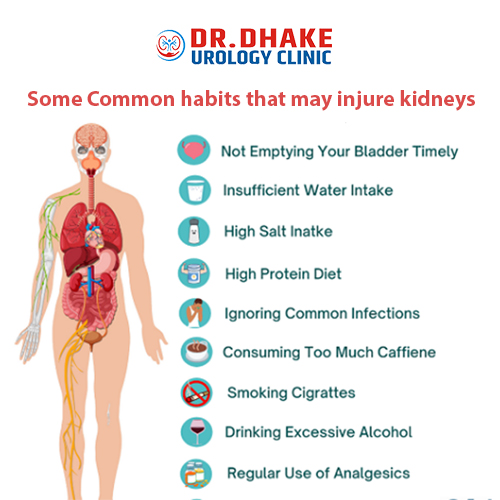
Some Common habits that may injure kidneys

[vc_row kd_background_image_position=”vc_row-bg-position-top”][vc_column][vc_column_text] 1. Not Drinking Enough Water Staying properly hydrated helps your kidneys clear sodium and toxins from the body. Drinking plenty of water is also one of the best steps to bypass painful

Uncategorized

COMMON CAUSES OF INCONTINENCE

[vc_row kd_background_image_position=”vc_row-bg-position-top”][vc_column][vc_column_text] Urinary incontinence is a disease in which the person faces a problem of involuntary leakage of urine. In simple words, a person urinates when they do not want to. This problem is affecting many people. It is more common in women than in men. Urinary incontinence causes physical discomfort and embarrassment. Also affects emotional well-being. It can happen during and after pregnancy. The chances of it happening increase with age. Many people hesitate to discuss this problem. But they ignore the possible risks of this disease. Causes of Urinary Incontinence: 1: Alcohol, caffeine and carbonated drinks These substances like Alcohol, caffeine and carbonated drinks may act as diuretics and stimulate your bladder. Which results in an increase in your urine volume. Therefore, try to avoid these substances. Urinary tract infection Various types of urinary tract infections can irritate the bladder, causing h3 urges to urinate and may also lead to incontinence. This can be really frustrating! Constipation The rectum and bladder hold a place near to each other and share the same nerves. Therefore, the hard stool can cause the nerves around to become overactive, ultimately leading to excessive urine. Pregnancy Hormonal changes during pregnancy is also one of the main risk factors of incontinence. The increased weight of the uterus also leads to the same. Normal Delivery Normal delivery can make the pelvic muscles weak and also damage the supportive nerve tissues. This can result in urinary incontinence. Age With the increasing age, bladder muscles also become weakened.

Uncategorized

How to take care of your kidneys

[vc_row kd_background_image_position=”vc_row-bg-position-top”][vc_column][vc_column_text]How To Take Care of Your Kidneys? Its a very common question which is asked by numerous people! Kidneys perform several vital functions of our body like filtering waste products, excess water, and other impurities from your blood. These waste products are stored in your bladder and later expelled through urine. In addition to this, kidneys also regulate pH, salt, and potassium levels in the body. They also produce hormones that regulate blood pressure and control the production of red blood cells.

Uncategorized

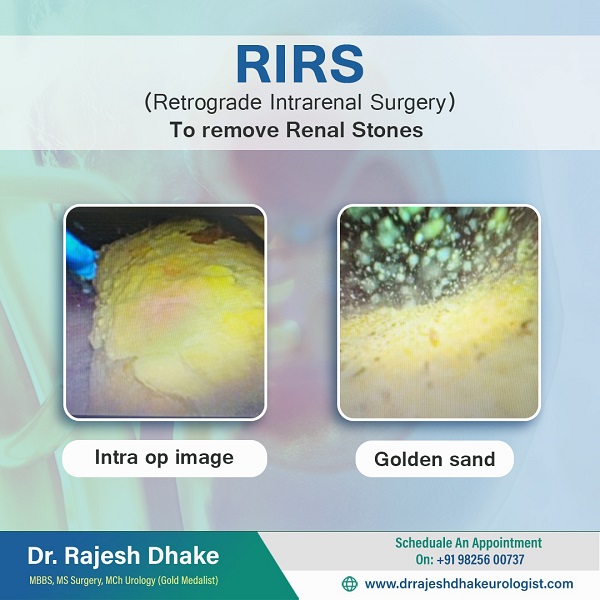
RIRS (Retrograde Intrarenal Surgery)

[vc_row kd_background_image_position=”vc_row-bg-position-top”][vc_column][vc_column_text] What is RIRS: RIRS (Retrograde Intrarenal Surgery) is an endoscopic surgery performed to remove renal stones by reaching the kidney from the ureter. RIRS procedure is performed with fibre optic or Digital endoscope and stone is fragmented with a laser fibre either Holmium or Thulium fibre  to treat the kidney stones. How the procedure performed? The surgery is performed by a

Uncategorized

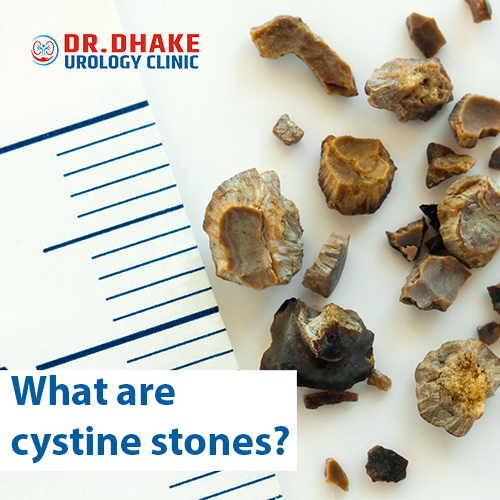
Cystine Stones  Causes, And Treatment Options

[vc_row kd_background_image_position=”vc_row-bg-position-top”][vc_column][vc_column_text] What are cystine stones? A cystine stone is a form of kidney stone. Many people assume there is just one sort of kidney stone. But in truth, there are different varieties. A kidney stone is a solid chunk of material that develops in a kidney. It may remain in the kidney or migrate down the urinary system. Cystine stones tend to return and are often more significant than other kidney stones. You should talk to a

Uncategorized

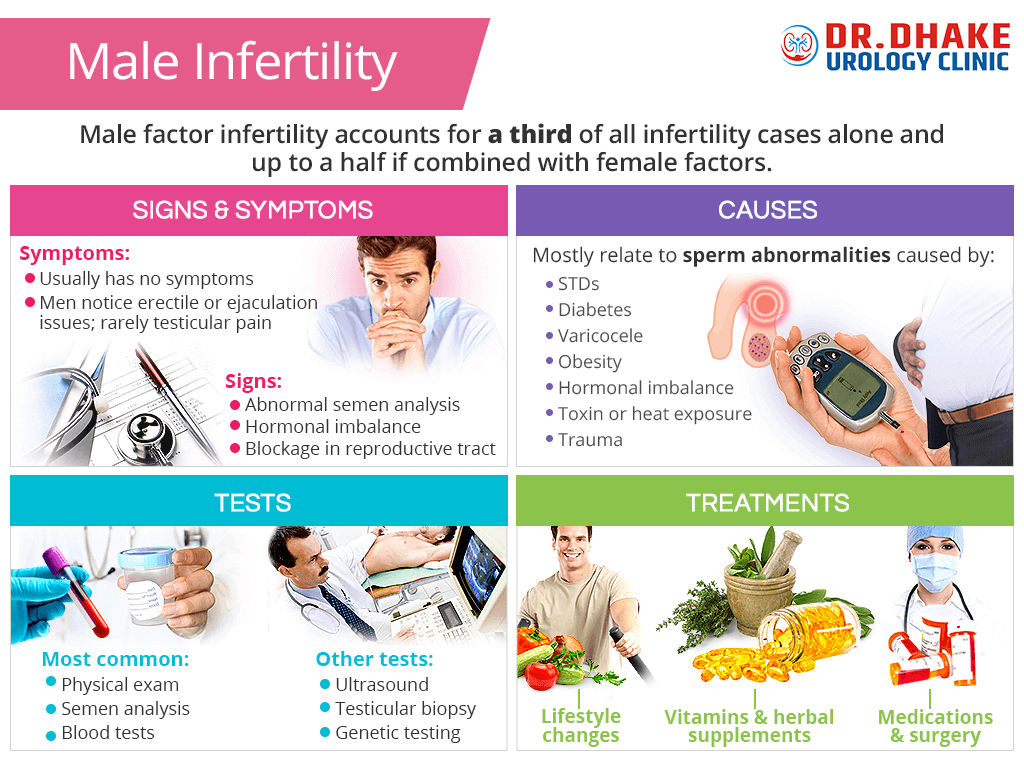
Male Infertility- Symptoms and Causes

[vc_row kd_background_image_position=”vc_row-bg-position-top”][vc_column][vc_column_text] Male Infertility Problem Male infertility is diagnosed when the male exhibits problems after both partners have been tested during the reproductive process. The reproduction process is usually a simple and natural one for most couples. However, some couples have a difficult time conceiving for various reasons. In general, the quantity and quality of a mans sperm determine his fertility. If a man ejaculates a low number of sperm or the sperm is of poor quality, it will be challenging and, in some cases, impossible for him to cause a pregnancy.   What is the prevalence of male infertility? Infertility is an issue that affects many couples. Approximately one in five infertile couples can blame only the male partner for their infertility. One in twenty men have problems with their fertility due to low sperm counts in the ejaculate. However, approximately one out of every 100 men does not have any sperm in their ejaculate. The signs and symptoms of male infertility Men with infertility often suffer from vague symptoms. An unnoticed pregnancy can go undetected until the man tries to have a child. Different symptoms depend on what causes infertility. Here are some examples: The growth of your hair changes Desires for sexual activity change over time The testicles are painful, lumpy, or swollen Having difficulties erections and ejaculating Firm testicles with a small size Factors that contribute to infertility in males Sperm production or sperm transportation problems most often result in male infertility. The doctor might be able to discover the cause of the problem if they perform medical testing. Infertile men have difficulties making sperm in their testes in about two-thirds of cases. There are either not enough Sperm produced, or the Sperm produced do not function correctly. One in five infertile men experience problems with sperm transport, including those who have had a vasectomy but now wish to have more children. A complete lack of sperm in the ejaculated semen can result from obstructions (also called blockages) in the tubes leading sperm from the testes to the penis. The following are less common causes of infertility: sexual problems that interfere with the womans ability to accept her semen for fertilization (one in 100 infertile couples); low levels of hormones made by the pituitary gland (one in 100 infertile men); and sperm defects (one in 100 infertile couples). There are 16 infertile men for everyone who has antibodies. Most men are not affected by sperm antibodies, but some men will have a reduced chance of becoming pregnant because of these antibodies. Male Infertility: causes and effects Problems with the production of sperm Causes of chromosomal or genetic disorders The testes do not descend appropriately at birth (Undescended testes) Contaminations Testicular torsion (twisting of the testes in the scrotum) Symptoms include varicose veins in the testes (varicocele) Pharmaceuticals and chemicals Deterioration caused by radiation The cause remains unknown Sperm transportation is blocked Affected by infections Problems relating to the prostate Insufficiency of Vas deferens Anaesthesia for vasectomy The problem of erection and ejaculation (sexual problems) ejaculating retrograde and prematurely Ejaculation not occurring A problem with erectile function Intercourse is rarely observed The spinal cord has been injured The prostate is surgically removed Nervous system damage There are some medicines Hormonal imbalances Tumours of the pituitary gland LH/FSH deficiency congenital (pituitary problem from birth) Abuse of anabolic steroids (androgenic steroids) Scleroderma antibodies Anaesthesia for vasectomy The epididymis is injured or infected Factors that increase risk Male infertility is associated with the following risk factors: Tobacco consumption The use of alcohol Using certain illegal drugs The condition of being overweight Being infected with specific past or present infections As a result of exposure to toxins The testicles become overheated As a result of testicular trauma An existing vasectomy or major abdominal or pelvic surgery Having undescended testicles in the past The birth of a child with a fertility disorder or the blood relative of a child with one Tumours and chronic illnesses, like sickle cell disease, are medical conditions that people with certain conditions have Being on certain medications or undergoing medical treatment, such as cancer treatment with surgery or radiation Consult with a

Scroll to Top